Game of Thrones at 15: Winter came, and so did global obsession
Game of Thrones at 15: Winter came, and so did global obsession
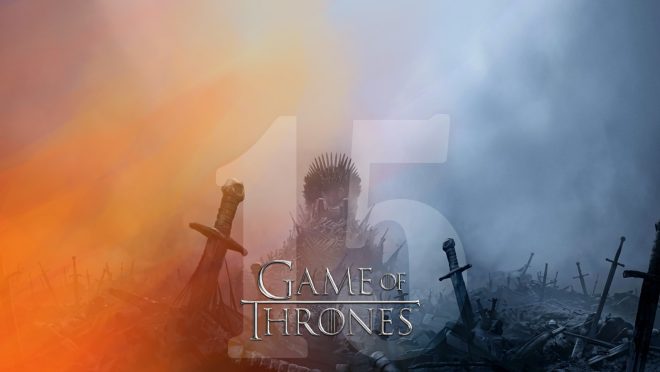
After fifteen years, Game of Thrones can no longer be considered as just a TV show. It is a reference point for the industry, a major part of pop culture, and a reminder that television can still shape global attention at scale.
At its peak, Game of Thrones was not just watched, it was experienced together. New episodes felt like global events. People planned their evenings around it. Streets were quieter during broadcasts. Workplaces delayed discussions to avoid spoilers. Around the world, millions watched at the same time, reacting together in real time.
This success also matched the rise of social media. Platforms like Facebook, Reddit and YouTube were becoming places for discussion, not just communication. Fans did not only watch the show; they analysed it, debated it, and created content around it. Theory videos, episode breakdowns, and fan discussions became part of the experience itself. In this way, Game of Thrones became one of the first major “social media era” TV phenomena.
Not your average drama
The show’s storytelling style helped this happen. It had many characters, complex politics, and frequent twists. Nothing was certain, and that kept viewers guessing. Importantly, the series broke one key rule of television early on: that main characters are safe. The execution of Ned Stark in Season 1 shocked audiences and made it clear that anyone could die at any time. Watching the show was not passive; it became something people actively followed, analysed, and debated together online.
This pattern of shocking moments continued throughout the series and helped define its global impact. The Red Wedding in Season 3 remains one of the most famous scenes in television history, where major characters were suddenly killed off in a single sequence. Viewers around the world reacted instantly, turning it into one of the earliest true global “shock events” in TV.
This unpredictability soon became the show’s identity. One of the most defining examples came in Season 4 with the death of Joffrey Baratheon. After seasons of cruelty and manipulation, his sudden poisoning during his own wedding feast was widely seen by audiences as a rare moment of satisfaction. The “Purple Wedding” became a cultural talking point, not just for its shock but for the collective reaction it triggered online, part relief and part disbelief.
Power, meanwhile, was never stable in Westeros. Tywin Lannister’s death in Season 4 underscored this. Before it, he had dominated court politics with calm authority, often shaping outcomes without ever appearing vulnerable. His final moments, killed by his own son Tyrion in the most unexpected setting, reinforced one of the show’s core ideas: intelligence and control do not guarantee survival in a world built on shifting loyalty and revenge.
Later, the show continued to surprise audiences in different ways. In Season 5, the burning of Shireen Baratheon shocked viewers with its emotional intensity and moral weight. Each of these moments added to the sense that Game of Thrones was willing to go further than most television dramas ever had.
Even its final season delivered one of the most controversial moments in modern TV, when Daenerys Targaryen destroyed King’s Landing. For many viewers, this sudden shift in her character became the centre of debate around the ending and remains one of the most discussed creative choices in recent television history.
Cultural significance
Beyond its story, the show’s cultural impact extended far beyond screens. Phrases like “Winter is coming” entered everyday speech as a warning or sign of change. “You know nothing, Jon Snow” became a widely used expression of irony. These lines moved from fiction into daily language, becoming part of popular culture.
Music also played a key role in shaping its identity. Ramin Djawadi’s opening theme became instantly recognisable, creating a sense of scale and importance before each episode even began. The music turned each episode into an event, even before the story started.
Still, the show’s legacy is not simple. The main debate today is not about its success, but its ending. The final season received strong criticism for its rushed storytelling and the way it concluded key character arcs. For many viewers, this damaged the overall memory of the series. For others, the earlier seasons still hold enough strength to preserve its legacy.
This is why Game of Thrones is often described in two ways at once: groundbreaking but imperfect.
When compared with shows like Breaking Bad and The Sopranos, the difference becomes clear. Breaking Bad is praised for its consistent storytelling. The Sopranos changed what serious television could look like. Game of Thrones, however, stands out for something different: its scale and global reach. It turned television into a worldwide shared experience like never before.
Rewatching the series in 2026 feels different from when it first aired. Originally, episodes came out weekly, giving viewers time to think, discuss, and wait. That waiting was part of the experience. Today, most people binge entire seasons in a short time. This removes the gaps between episodes and reduces the slow build of anticipation that once defined the show.
Even so, the early seasons still work well in this format. The story, characters, and world building remain strong. But what is missing is the shared waiting, the theories, the debates, and the feeling of watching it together with millions of others at the same time.
This shows a bigger change in how we watch television today. It is no longer only about the content itself, but also about timing, discussion, and shared experience, even if that sharing now happens online.
Fifteen years on, Game of Thrones still matters because it changed how television works. It showed that TV could reach cinematic scale. It proved that audiences could become active participants, not just viewers. And it helped shape a digital culture where discussion and engagement are as important as the show itself.
Its ending divided opinion. But its influence did not.
In the end, Game of Thrones is not remembered as a perfect show. It is remembered as a moment when television, audiences, and the internet came together and changed how the world watches stories.