Apple names hardware veteran John Ternus as new CEO
Apple has announced that John Ternus will take over as chief executive, succeeding Tim Cook, who is stepping down after 15 years at the helm of the technology giant.
Apple names hardware veteran John Ternus as new CEO
Apple has announced that John Ternus will take over as chief executive, succeeding Tim Cook, who is stepping down after 15 years at the helm of the technology giant.
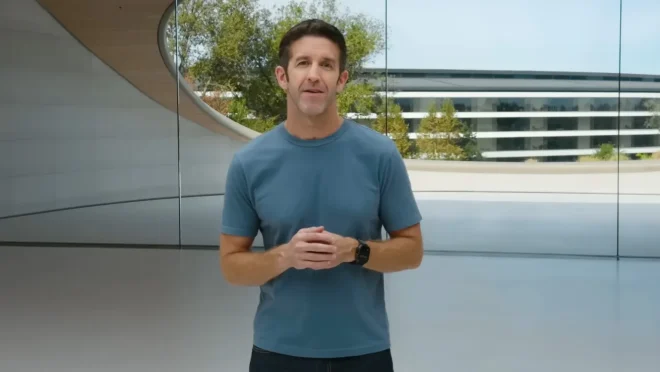
Ternus, currently Apple’s head of hardware engineering and a 25-year veteran of the company, is set to assume the role on 1 September.
Cook will transition into the position of executive chairman, remaining in the chief executive role over the summer to ensure a smooth handover. Following the transition, he is expected to continue supporting the company, including engaging with policymakers globally.
Cook has led Apple since 2011, taking over from co-founder Steve Jobs, who resigned due to health reasons shortly before his death. His departure from the CEO role comes after months of speculation regarding succession planning within the company.
Reported by BBC, reflecting on his tenure, Cook described the role as “the greatest privilege” of his life. Under his leadership, Apple experienced extraordinary financial growth, becoming one of the world’s most valuable companies. In 2018, it became the first publicly traded firm to reach a $1 trillion valuation, and it is now valued at around $4 trillion.
Cook praised Ternus as a forward-thinking leader, highlighting his engineering mindset, innovative approach, and strong leadership values. He expressed confidence that Ternus is well positioned to guide the company into its next phase.
Ternus has long been seen as a leading candidate for the top job, particularly after the departure of former chief operating officer Jeff Williams. Over his career at Apple, he has played a central role in the development of nearly all major products, including successive generations of the iPad and iPhone, as well as the introduction of AirPods and the Apple Watch. He also oversaw the transition of Mac computers to Apple-designed silicon.
Having worked under both Jobs and Cook, Ternus described the outgoing CEO as a mentor and expressed optimism about the company’s future direction.
The appointment signals a possible strategic shift for Apple. Analysts suggest that elevating a leader with deep hardware expertise may address long-standing criticism that the company has prioritised incremental updates over breakthrough innovation during Cook’s tenure.
While Cook is widely credited with expanding Apple’s global reach and significantly increasing profitability, critics argue that the company has yet to introduce a transformative product on the scale of the iPhone in recent years. Analysts note that Apple remains heavily reliant on its smartphone business as it searches for its next major growth driver.
Industry observers believe Ternus’s leadership could bring renewed focus on product differentiation, with greater emphasis on emerging technologies such as foldable devices and wearable computing, including smart glasses.
At the same time, Apple faces mounting pressure in the rapidly evolving field of artificial intelligence. Competitors such as Google, Microsoft, and Meta have invested heavily in AI, while Apple has taken a more measured approach, including integrating tools like OpenAI’s ChatGPT into its ecosystem.
The shift in leadership may indicate a broader effort to align Apple’s hardware strengths with deeper AI integration. Analysts suggest that while Apple’s disciplined and controlled approach has been key to its success, it may need to embrace faster experimentation and greater openness to remain competitive in the next phase of technological innovation.
As the company enters a new chapter, the central question remains whether it can recapture the spirit of bold innovation that once defined its rise, while maintaining the operational excellence that made it a global powerhouse.