10 most influential 'Star Wars' characters who changed the story forever
The franchise remains a giant in modern film, with Box Office Mojo listing Star Wars at more than $5.1 billion in domestic gross and “The Force Awakens” alone at $936.7 million in the US and Canada
10 most influential 'Star Wars' characters who changed the story forever
The franchise remains a giant in modern film, with Box Office Mojo listing Star Wars at more than $5.1 billion in domestic gross and “The Force Awakens” alone at $936.7 million in the US and Canada
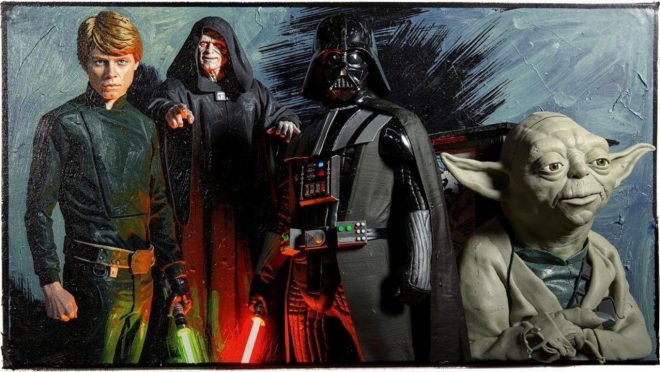
Some “Star Wars” characters are fun. Some are iconic. A smaller group actually changes the shape of the story. That is the difference this article cares about. When we talk about the most influential Star Wars characters, we are not talking about who has the coolest entrance or the sharpest one-liner. We are talking about who moved the saga in a new direction and forced the galaxy to live with the fallout.
That means this ranking looks at consequences. Who changed the fate of the Jedi? Who pushed the Republic into ruin? Who kept the Rebellion alive? Who altered the Skywalker family, the Sith line, or the future of the Force itself? Those are the names that matter most. Popularity helps, but story impact matters more.
The scope here stretches across the prequels, original trilogy, sequels, The Clone Wars, and the newer live-action era. The franchise remains a giant in modern film, with Box Office Mojo listing Star Wars at more than $5.1 billion in domestic gross and “The Force Awakens” alone at $936.7 million in the US and Canada. Darth Vader’s cultural grip also goes beyond fandom, with AFI ranking him among the greatest screen villains ever.

Photo: Collected
1. Darth Vader: The villain who became the saga’s deepest wound
Darth Vader sits at the centre of almost everything that matters in Star Wars. He is the terror of the original trilogy, the broken endpoint of Anakin Skywalker’s fall, the father reveal that changed blockbuster storytelling, and the redeemed figure whose final act destroys the Emperor. Plenty of villains drive conflict. Very few also carry the emotional truth of the franchise.
What gives Vader his staying power is the double life inside the mask. In the original films, he looks like pure menace. Once the prequels and later series expand his history, that menace turns tragic. He is not evil because the plot needs a bad guy. He is a warning about fear, attachment, manipulation, and the cost of moral shortcuts. That makes him feel mythic without feeling abstract.
He also links the political and personal halves of the saga. Palpatine may design the machine, but Vader gives it muscle. He helps destroy the Jedi, hunts the surviving rebels, and keeps the Empire’s rule personal and brutal. Then he becomes the reason the Sith line collapses in “Return of the Jedi”. One man helps break the galaxy and helps save it.
| Darth Vader Moment | Story Result |
| Fall from Jedi Knight to Sith enforcer | Turns the Chosen One arc into the saga’s core tragedy. |
| Revealed as Luke’s father | Raises the emotional stakes of the entire original trilogy. |
| Kills Palpatine to save Luke | Ends Sith rule in the original six-film arc. |
2. Luke Skywalker: The farm boy who changed what heroism looks like
Luke begins as the classic dreamer staring at a bigger world. That is simple. What is not simple is where he ends up. He destroys the Death Star, becomes the galaxy’s most visible Jedi survivor, refuses the Emperor’s path, redeems Vader, and later turns into a legend whose name alone inspires resistance. Few characters in franchise history get that much narrative mileage.
His real importance is not that he becomes powerful. It is that he refuses to copy the old cycle. The easy ending would have been Luke killing Vader in rage and taking the throne of the dark side. Instead, he insists there is still good in his father. That choice changes the moral centre of the saga. Luke wins because he holds onto compassion when violence seems easier.
The sequel trilogy makes his absence matter almost as much as his presence. The search for Luke drives the opening mystery of the new era. His exile reflects the failure of the new Jedi dream. His stand on Crait reminds the galaxy that symbols still matter. Even people who argue with those choices admit one thing: when Luke moves, the entire franchise moves with him.
| Luke Skywalker Move | Why It Lasts |
| Blows up the first Death Star | Gives the Rebellion its first giant, public victory. |
| Refuses to kill Vader in hate | Breaks the emotional trap Palpatine built for the Skywalkers. |
| Returns as a legend in the sequel era | Keeps the Jedi ideal alive for Rey and the wider galaxy. |
3. Emperor Palpatine: The patient schemer who broke democracy from the inside
If Vader is the saga’s wound, Palpatine is the infection. He engineers the Clone Wars, manipulates the Senate, seduces Anakin, executes Order 66, and turns the Republic into the Empire while pretending to be the man protecting it. That is a level of control almost nobody in the franchise can match.
His genius is not lightsaber skill or Force lightning. It is political timing. Palpatine understands fear better than anyone else in the galaxy. He knows how to make citizens surrender liberty in exchange for safety. He knows how to make the Jedi look inflexible and the Senate look weak. By the time his enemies see the whole board, they are already moving by his rules.
That wider manipulation is why his influence feels bigger than most villains. He does not simply attack institutions. He uses them to destroy themselves. The tragedy of the prequels lands, because the Republic collapses with procedure, applause, and legal ceremony. Palpatine makes authoritarianism look tidy until it is too late.
| Palpatine Play | Galaxy-Wide Effect |
| Creates the Clone Wars crisis | Gives himself emergency power and weakens the Republic. |
| Issues Order 66 | Nearly wipes out the Jedi Order in a single command. |
| Builds and rules the Empire | Reshapes the political map of the galaxy for decades. |
4. Leia Organa: The leader who keeps resistance alive in every era
Leia matters because she does not belong to only one version of Star Wars. She is the young senator carrying the Death Star plans, the Rebel strategist helping turn hope into a military reality, the hardened general guiding fighters through losses, and later the founder of the Resistance when the New Republic refuses to act early enough. Her influence stretches from the opening crawl of A New Hope to the final generation of the saga.
What makes Leia stand out is that she is never only symbolic. She is practical. She keeps missions focused, sees through political nonsense, and keeps moving after devastating losses. She can trade barbs with Han, stand up to Vader, direct troops on Hoth, and still make the hard strategic call when emotions would slow everybody else down.
She also broadens the idea of legacy. Leia is a Skywalker by blood, an Organa by upbringing, and a rebel by instinct. That mix makes her one of the richest political characters in the franchise. She understands power from the inside but chooses service instead of control. That choice keeps defining the people around her.
| Leia Organa Contribution | Why It Matters |
| Protects the Death Star plans | Sets the original trilogy in motion. |
| Helps lead the Rebel Alliance | Turns scattered resistance into a durable movement. |
| Creates the Resistance | Prepares the galaxy for the First Order threat before others do. |
5. Obi-Wan Kenobi: The mentor whose choices echo across every trilogy
Obi-Wan is one of the clearest bridges in the whole franchise. He trains Anakin after Qui-Gon’s death, fights beside the Republic during the Clone Wars, survives the purge, protects Luke in exile, and becomes the first major mentor of the original trilogy. Few characters have that kind of reach across the timeline.
What makes him so compelling is that he stands inside both the strength and weakness of the Jedi Order. He is brave, disciplined, loyal, and often deeply compassionate. He is also shaped by an institution too rigid to see disaster in time. That gives his wisdom a sad edge. Obi-Wan is not just teaching Luke how to be a Jedi. He is quietly carrying the ruins of what the Jedi used to be.
His relationship with Anakin is where the influence hits hardest. Obi-Wan becomes brother, teacher, battlefield partner, and finally the witness to Anakin’s collapse. Their story reshapes how we read the prequels, the originals, and even the later series. Every time Luke hears Obi-Wan’s voice, the saga is drawing a line back to that loss.
| Obi-Wan Kenobi Role | Story Impact |
| Trains Anakin Skywalker | Shapes the future of both the Jedi and the Sith. |
| Guards Luke on Tatooine | Preserves the best hope against the Empire. |
| Continues guiding Luke after death | Extends the Jedi legacy beyond physical survival. |
6. Yoda: The old master who shows both the greatness and failure of the Jedi
Yoda is one of the franchise’s oldest anchors. StarWars.com describes him as a legendary Jedi Master who trained Jedi for more than 800 years. That one detail alone tells you how wide his reach is. He helps define what the Jedi are, what they teach, and how they think long before the films begin.
But Yoda matters just as much because he fails. He is wise, powerful, and disciplined, yet he still cannot stop the Sith from taking over. The prequels work better because Yoda is not flawless. He represents a noble tradition that has grown too stiff, too proud of its own structure, and too slow to adapt to what evil now looks like.
Then he becomes crucial again in the original trilogy. On Dagobah, he strips heroism down to patience, clarity, and self-command. He teaches Luke that the Force is bigger than combat. Later stories build on that idea by tying Yoda to the path of spiritual survival and Force guidance after death.
| Yoda Legacy | Why It Counts |
| Trains Jedi for centuries | Shapes the values and habits of the Order itself. |
| Fails to stop the Sith takeover | Shows the danger of institutional blindness. |
| Trains Luke on Dagobah | Passes the Jedi future to a new generation. |
7. Han Solo: The sceptic who keeps choosing the bigger cause
Han Solo does not look like he belongs in a list this high until you track the damage his absence would do. No Han at Yavin means Luke likely dies in the trench run. No Han in the early Rebellion means the main trio loses its sharpest realist. No Han in the sequel trilogy means the emotional centre of Ben Solo’s conflict gets a lot thinner. He is more than comic relief and swagger.
What makes Han matter is the choice he keeps making. He starts out trying to survive. Again and again, he ends up staying for the cause, for his friends, or for something bigger than a payout. That arc gives Star Wars one of its most human forms of heroism. Han is not guided by prophecy. He is guided by loyalty that sneaks up on him.
He also anchors the emotional chemistry of the original trio. Luke carries idealism. Leia carries discipline. Han brings friction, speed, and plain old human doubt. That balance keeps the saga from floating away into pure myth. Han makes the world feel lived in, dirty, dangerous, and funny.
| Han Solo Choice | Lasting Effect |
| Returns during the Death Star assault | Helps Luke survive, and the Rebellion win at Yavin. |
| Becomes part of the Rebel core | Turns a mercenary into one of the saga’s essential heroes. |
| Confronts Ben Solo on Starkiller Base | Shapes the emotional crisis that eventually leads to Ben’s return. |
8. Ahsoka Tano: The outsider who exposed the Jedi’s blind spots
Ahsoka has become one of the smartest additions to modern Star Wars canon because she does more than expand lore. She changes how older stories feel. Through her, Anakin stops being only a doomed prodigy and becomes a teacher capable of warmth, impulsive care, and genuine devotion. That alone deepens the tragedy of his fall.
Her departure from the Jedi Order matters even more. When the Order fails her during the bombing investigation and then expects easy forgiveness, the series exposes something ugly: the guardians of peace are not always just, and they are not always humble. Ahsoka walks away, and that choice becomes one of the sharpest critiques of the old Jedi system in canon.
She also broadens what a light-side hero can be. Ahsoka is trained by the Jedi, shaped by the Force, but unwilling to serve a broken institution. Later, as Fulcrum and beyond, she becomes a connective thread between the Clone Wars, the Rebellion era, and the future of live-action storytelling. That kind of long-form relevance is rare.
| Ahsoka Tano Turning Point | Why It Matters |
| Trains under Anakin | Adds emotional depth to Anakin’s story and leadership style. |
| Leaves the Jedi Order | Highlights the Order’s failure at a crucial point in history. |
| Bridges multiple eras of canon | Connects prequel, Rebel, and post-Empire stories in one character line. |
9. Rey: The new-era lead who reopened the future of the Jedi
Rey had one of the hardest jobs in the entire franchise. She had to matter after Luke, Leia, and Vader had already turned into global myth. Whether someone loves every sequel choice or still argues about them online, Rey’s importance to the story is not hard to see. She restarts the search for Luke, becomes the strongest challenge to the reborn Sith threat, and refuses to let the Jedi future end as a museum piece.
Her appeal is that she feels useful before she feels legendary. She is a scavenger, mechanic, pilot, and survivor. Those practical traits keep her grounded. Then the films push her into the saga’s larger debate about heritage. Are you trapped by bloodline? Is destiny inherited? Can chosen identity matter more than ancestry? Rey becomes the face of those questions.
That matters because Star Wars has always been obsessed with family. Rey keeps that thread alive while trying to loosen it. By the end, she steps into the future through choice, not entitlement. She takes the weight of old names and turns it into something forward-looking.
| Rey Story Beat | Why Readers Still Discuss It |
| Finds the map and reaches Luke | Launches the sequel era’s central mission. |
| Confronts Palpatine’s return | Ends the final on-screen Sith threat of the Skywalker saga. |
| Claims a chosen family identity | Pushes the franchise toward legacy by values, not just blood. |
10. R2-D2: The little droid without whom half the saga collapses
Every long-running franchise has one character people jokingly call the real hero. In Star Wars, R2-D2 might actually deserve it. He carries Leia’s message, protects the Death Star plans, repairs ships under fire, opens doors, hacks systems, keeps pilots flying, and survives from the Republic era into the sequel years. That is not background work. That is narrative infrastructure.
What makes R2 special is agency. He is not a passive helper waiting for commands. He acts. He takes risks. He withholds information when he thinks the moment is wrong. He pushes events forward in ways that many flesh-and-blood characters never manage. The saga often turns because he is stubborn, brave, or fast enough to fix something before everyone else panics.
He also links generations from the inside. He serves Padmé and Anakin, travels with Obi-Wan, becomes critical to Luke, and remains a key thread in later stories. He is one of the few beings who silently carries the memory of the whole family line across decades of war and regime change.
| R2-D2 Action | Result for the Saga |
| Carries Leia’s hologram and stolen plans | Launches the main plot of A New Hope. |
| Serves multiple generations of heroes | Links the prequels, originals, and sequels through direct action. |
| Repeatedly saves missions through repairs and hacks | Turns technical skill into life-or-death story consequences. |

Photo: Collected.
Final thoughts
A good Star Wars character can give you a great scene. A truly essential one changes what every scene after it means. That is what these 10 do. Vader turns family into fate. Luke turns mercy into victory. Leia turns resistance into leadership. Palpatine turns democracy into a trap.
Fans will always argue over the exact order. That is half the fun. But the deeper point is harder to dispute. The galaxy keeps changing shape around the same names because those names carry the emotional and political weight of Star Wars itself.
FAQs about most influential Star Wars characters
Why is Anakin Skywalker not a separate entry from Darth Vader?
Because separating them can muddy the point. Anakin and Vader are the same life split by ideology, trauma, and identity. This ranking treats Vader as the full dramatic package: the gifted Jedi, the fallen enforcer, and the redeemed father. That keeps the list tighter and avoids spending two slots on one person’s arc.
Why does Leia rank above some Jedi?
Because influence is not measured only through Force ability. Leia drives strategy, preserves the rebellion across eras, and carries the opening spark of the original film. Her political and military importance cuts across more periods of the saga than many Force users do.
Is Ahsoka more important to canon now than some movie characters?
In some ways, yes. Ahsoka now links the prequels, The Clone Wars, Rebels, and live-action stories in a way few other characters can. That makes her one of canon’s strongest connective threads.
Why include R2-D2 over Padmé Amidala or Qui-Gon Jinn?
Because R2 changes outcomes again and again across multiple generations. Padmé and Qui-Gon are both crucial, but R2 carries plot-critical information, saves missions, and stays active across more eras.
Do sequel-era characters have enough history yet to rank this high?
They have less history than the original trilogy icons, but they still shape the end state of the Skywalker saga. Rey makes the cut because she drives the sequel arc, reopens the Jedi future, and becomes central to the final defeat of Palpatine on screen.