Celebrating Al Pacino’s birthday: 7 films that redefined Hollywood forever
Some actors build careers. Al Pacino reshaped expectations of what acting itself could be. Across decades, he has portrayed power, desperation, ambition, guilt, and moral collapse with a level of intensity and precision that continues to influence modern cinema.
Celebrating Al Pacino’s birthday: 7 films that redefined Hollywood forever
Some actors build careers. Al Pacino reshaped expectations of what acting itself could be. Across decades, he has portrayed power, desperation, ambition, guilt, and moral collapse with a level of intensity and precision that continues to influence modern cinema.
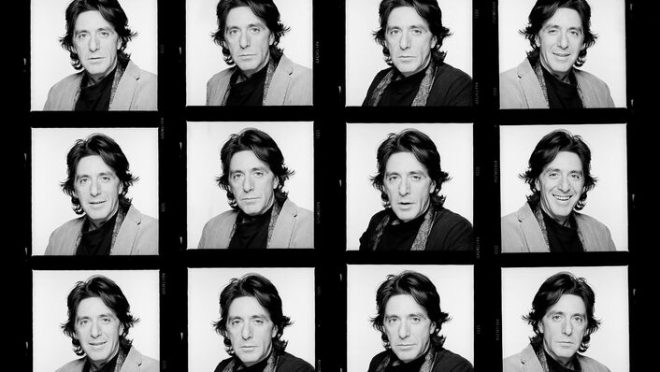
These seven performances are key parts of his legacy.
1. The Godfather & The Godfather Part II (1972–1974)
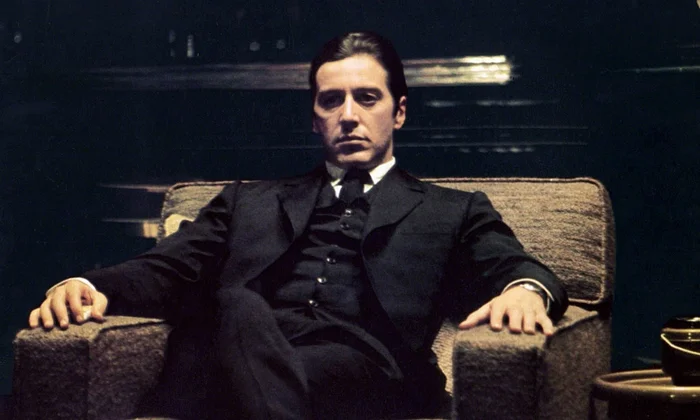
Michael Corleone’s transformation remains one of the most studied character arcs in cinema. Pacino plays him with extreme restraint, allowing change to happen almost invisibly.
At first, Michael is distant from his family’s criminal world. He appears calm, intelligent, and removed. Over time, that distance disappears. He does not suddenly become powerful. He slowly accepts power as part of who he is.
What makes the performance remarkable is how much is communicated without dialogue. A stare becomes control. Silence becomes dominance. Emotional distance becomes strategy.
The result is a performance that permanently changed how filmmakers portray gradual psychological transformation.
2. Dog Day Afternoon (1975)
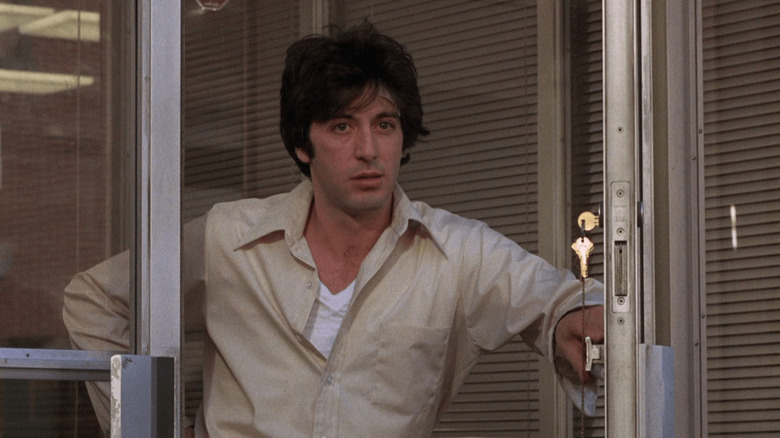
Based on a real hostage situation, the film unfolds in real time as a bank robbery spirals into chaos.
Pacino plays Sonny, a man whose plan falls apart almost immediately. What follows is not control, but emotional unpredictability. He shifts between panic, humor, anger, and vulnerability in rapid succession.
Instead of portraying a traditional criminal, Pacino creates a deeply human figure caught in an impossible situation. The performance feels spontaneous, almost documentary-like.
The outside world watching the event unfold adds another layer, turning the story into an early reflection of media spectacle and public fascination with crisis.
3. Scarface (1983)
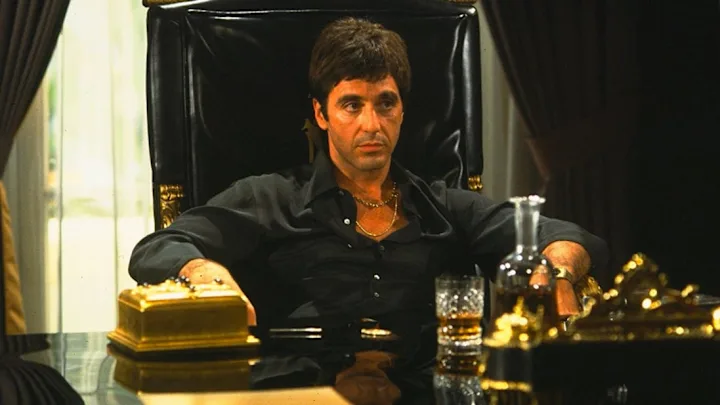
Tony Montana is one of Pacino’s most iconic roles. The character begins as a Cuban immigrant with ambition and quickly rises through the criminal underworld of Miami.
Pacino plays Tony with explosive energy and constant intensity. Every emotion is amplified. Every decision is driven by hunger for more power.
As the film progresses, ambition turns into excess, and excess turns into collapse. Tony’s inability to stop wanting more becomes his defining trait.
The performance became deeply embedded in popular culture, influencing music, fashion, and modern portrayals of ambition and excess.
4. Scent of a Woman (1992)
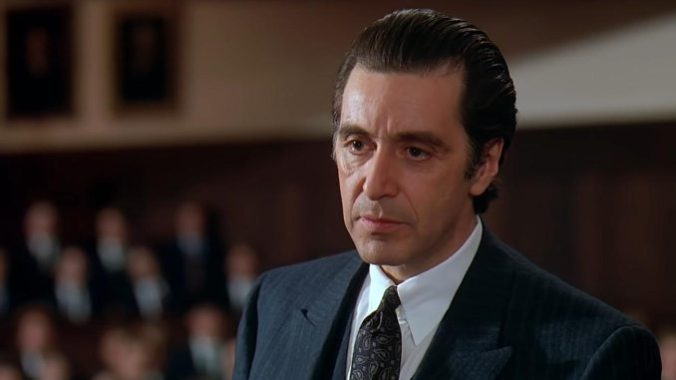
Pacino plays Lt. Col. Frank Slade, a blind retired Army officer with a sharp tongue and a difficult personality.
At first, he appears bitter and detached from the world. Over time, the character reveals deeper layers of regret, pride, and emotional pain.
The relationship he forms with a young student becomes the emotional center of the film. What begins as a temporary arrangement evolves into something more reflective and human.
Pacino’s performance moves between aggression and vulnerability, creating a portrait of a man confronting the consequences of his life choices.
5. Carlito’s Way (1993)
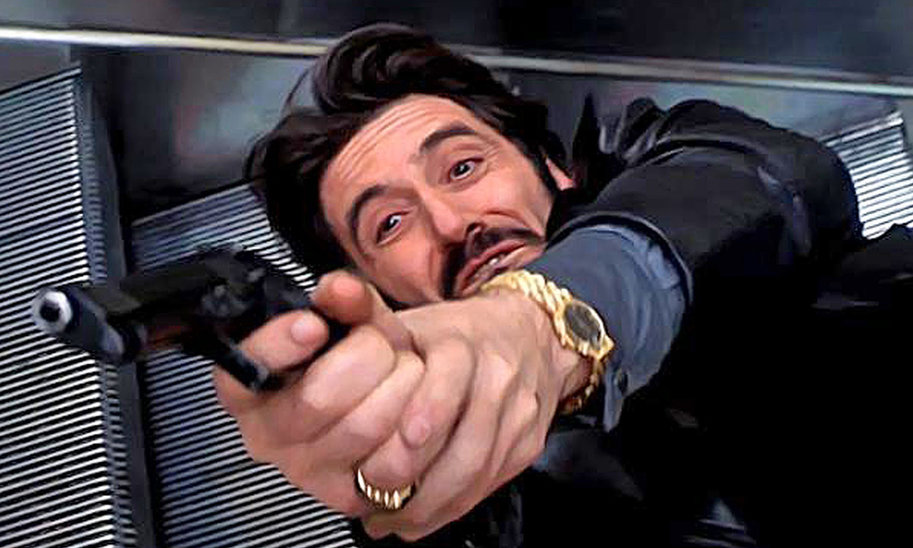
Carlito Brigante is a former criminal trying to leave his past behind and build a new life. Pacino plays him with restraint and exhaustion rather than explosive energy.
The character constantly tries to move forward, but the world around him pulls him backward. Every attempt at change is met with resistance from circumstance and history.
There is a quiet sadness in the performance, a sense that escape is always just out of reach.
The film becomes less about crime and more about fate and inevitability.
6. Heat (1995)

Vincent Hanna, played by Pacino, is a dedicated detective consumed by his work. He is intense, unpredictable, and often emotionally volatile.
Opposite Robert De Niro’s disciplined professional thief, the film builds a dual study of obsession on both sides of the law.
Their famous diner scene is not a confrontation in the traditional sense. It is recognition. Two men who understand each other’s lives without needing explanation.
Pacino’s performance adds urgency and unpredictability to the film, helping define modern crime storytelling.
7. The Devil’s Advocate (1997)
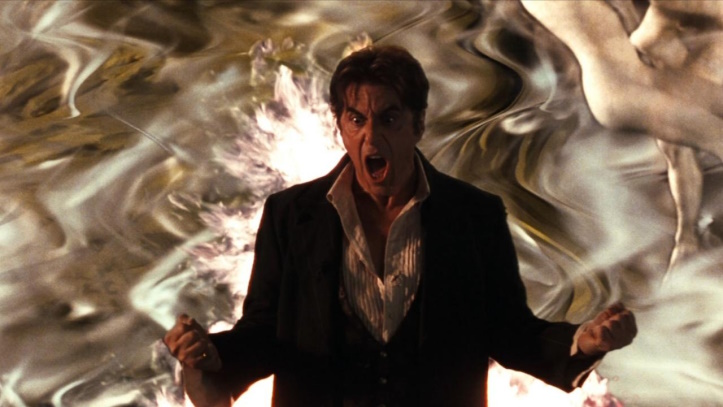
Pacino plays John Milton, a powerful figure who embodies temptation and moral corruption.
The performance is theatrical and bold, leaning into intensity and symbolism. Milton represents ambition taken to an extreme where ethics are slowly eroded in favor of success and control.
The character’s presence dominates the film, shifting it from a legal drama into a broader exploration of desire, ego, and consequence.
Taken together, these performances trace a remarkable arc not just through Al Pacino’s career, but through the evolution of modern screen acting itself. Across decades, Pacino proves that lasting impact comes from understanding how people change, what they want, and what they are willing to lose to get it.