A generation at risk as high-sodium snacks flood Bangladesh’s market
A generation at risk as high-sodium snacks flood Bangladesh’s market
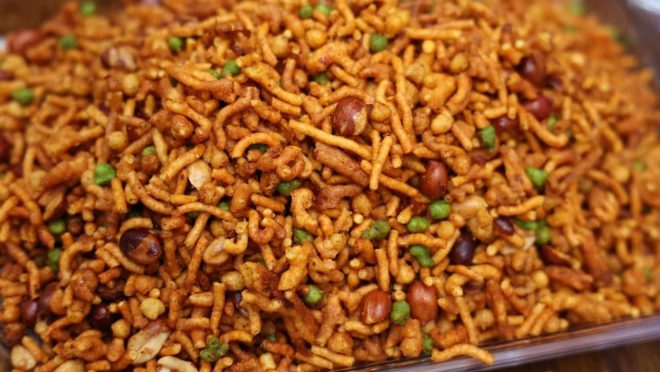
An estimated 24,000 people die every year in Bangladesh due to excessive consumption of high-sodium foods, health experts have warned, raising fresh concerns about the growing intake of salty snacks among children and young people.
Specialists say everyday snacks such as chips, chanachur, packaged biscuits and instant noodles are loaded with sodium and are being consumed regularly by school-aged children and youths, significantly increasing their long-term risk of high blood pressure, heart disease and stroke.
According to nutritionists, these snacks are cheap, easily available and aggressively marketed, making them a staple for young consumers despite their serious health risks. Many children exceed the recommended daily salt intake before reaching adulthood, largely due to processed and packaged foods rather than home-cooked meals.
Health experts caution that excessive sodium intake often goes unnoticed in childhood, as the effects develop gradually. However, early exposure can lead to lifelong health complications, placing additional pressure on the healthcare system in later years.
The World Health Organization recommends consuming less than five grams of salt per day, but studies indicate that average intake in Bangladesh is significantly higher, particularly among urban populations.
Public health advocates are calling for clearer food labelling, restrictions on marketing unhealthy snacks to children, and stronger awareness campaigns for parents and schools. They also stress the need to promote healthier snack alternatives and reduce the overall salt content in processed foods.
Without urgent intervention, experts warn that sodium-related illnesses will continue to rise, disproportionately affecting the younger generation and leading to preventable deaths in the years ahead.