Bangladesh’s new wetlands law: will it really protect natural ecosystems?
The Bangladesh Haor and Wetland Conservation Act 2026, passed unanimously by parliament in April, marks the country’s first dedicated legal framework aimed at protecting its extensive natural wetlands, including haors, beels and baors, which are vital for biodiversity, livelihoods and climate resilience.
Bangladesh’s new wetlands law: will it really protect natural ecosystems?
The Bangladesh Haor and Wetland Conservation Act 2026, passed unanimously by parliament in April, marks the country’s first dedicated legal framework aimed at protecting its extensive natural wetlands, including haors, beels and baors, which are vital for biodiversity, livelihoods and climate resilience.
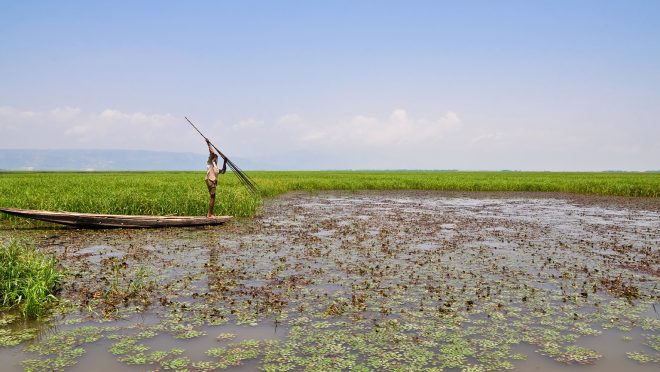
According to Mongabay, under the new law, activities that threaten the natural character and function of wetlands are strictly prohibited. These include encroachment, unauthorised mining of sand and stones, poisoning or electrocuting aquatic life, and constructing structures that could obstruct natural water flow. Violations are now classified as cognisable, non-bailable offences carrying penalties of up to two years’ imprisonment or fines of up to 1 million takas, or both.
The legislation also empowers the Department of Bangladesh Haor and Wetland Development, the government body already tasked with managing wetland areas, to take a more active role. It can declare specific haors and wetland areas as protected zones, issue “Protection Orders” in places where biodiversity or species are under threat, and regulate activities such as harmful fishing practices and unplanned tourism.
Proponents say the law fills a crucial gap in Bangladesh’s environmental governance by providing clear, enforceable rules for wetland conservation and ecosystem protection. The measures aim to safeguard fish spawning grounds, migratory bird habitats and the unique hydrological cycles essential to communities in the northeast and coastal regions.
However, environmental advocates and researchers caution that legal reforms alone may not be enough. Past experience with environmental legislation, including the Environment Conservation Act 1995 and other policies, has shown that weak enforcement, institutional fragmentation and competing land-use pressures often undermine on-the-ground protection. Wetlands near rapidly urbanising areas have continued to shrink due to unregulated filling, pollution and real-estate development.
Critics argue that without stronger monitoring, clear mandates for enforcement agencies, and community engagement in conservation, the new law could struggle to reverse decades of wetland loss and degradation. They also warn that penalties, while stiffer on paper, must be consistently applied to have real deterrent effect.
As Bangladesh faces mounting pressures from climate change, urban expansion and competing agricultural demands, the effectiveness of this landmark legislation will depend on sustained political will and coordination across ministries and local authorities to protect the country’s fragile wetland ecosystems.