The science behind Fifa's $5 million grass infrastructure
The science behind Fifa's $5 million grass infrastructure
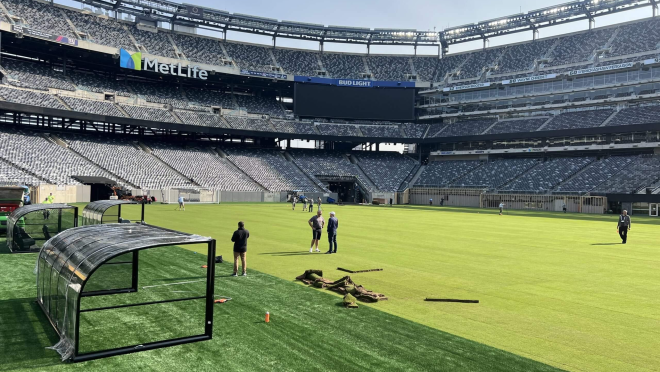
As the 2026 FIFA World Cup approaches, attention is turning not only to the players and stadiums, but also to something far less glamorous that could decide the quality of the tournament itself: the grass beneath the players’ boots.
Across the United States, Canada, and Mexico, scientists and turf specialists have spent years testing, trimming, watering, and even deliberately damaging thousands of square metres of grass in preparation for football’s biggest event. Their mission is simple but immensely difficult: create the perfect playing surface for 104 World Cup matches.
The urgency surrounding pitch quality intensified after the 2024 Copa América, when several players publicly criticised the temporary grass surfaces used in American stadiums. One of the most notable complaints came after Argentina’s match against Canada in Atlanta, where forward Ángel Di María appeared to struggle controlling the ball during a crucial attacking move.
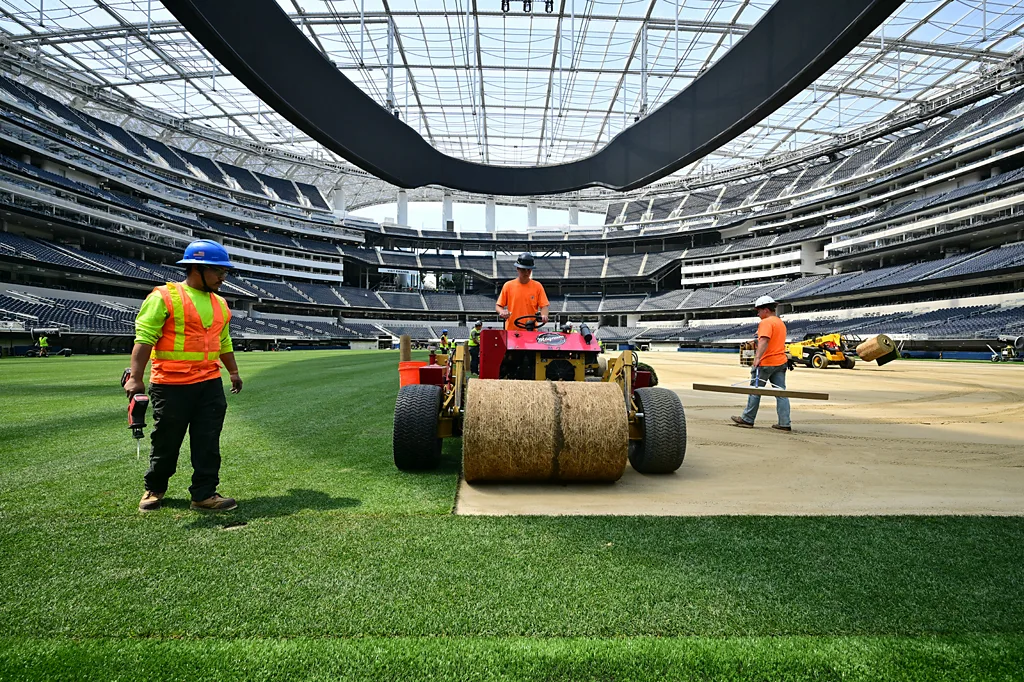
Four of the stadiums at the 2026 World Cup are covered, so the researchers had to figure out how to ensure the pitches will be consistent (Credit: Getty Images)
After the game, Argentine players and coaching staff blamed the surface, describing the pitch as unstable and inconsistent. The stadium, home to NFL side Atlanta Falcons and MLS club Atlanta United, normally uses artificial turf. A temporary grass pitch had been installed only days before the match.
Players later claimed the ball bounced unnaturally, almost “like a springboard”, sparking wider concerns over whether North America was truly prepared to host football’s biggest competition.
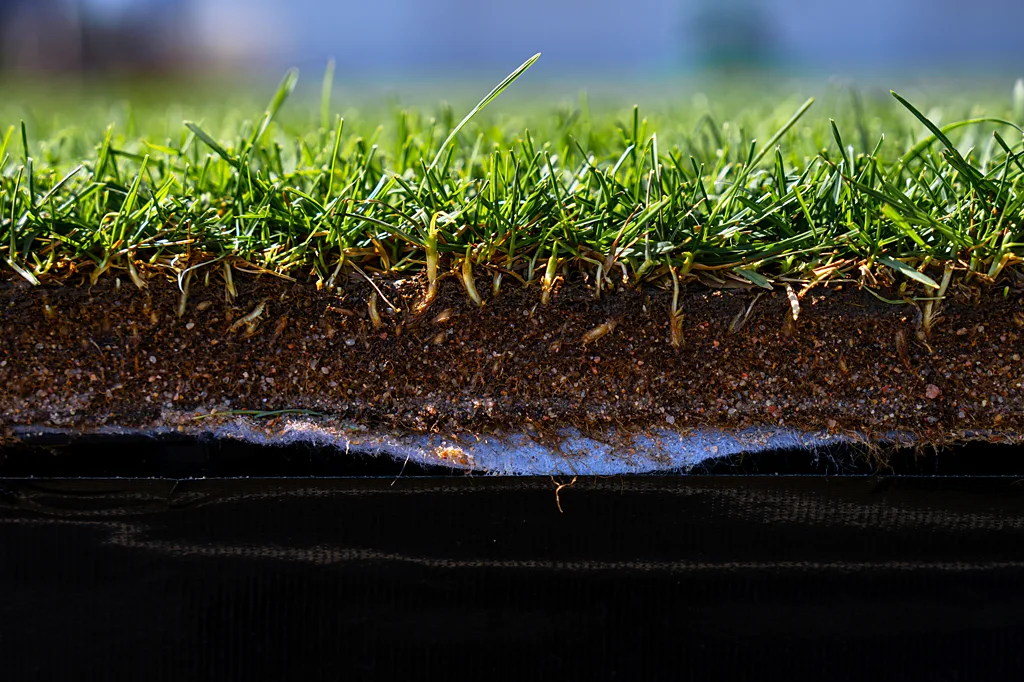
For the indoor stadiums, researchers had to find a way to ensure the surface would remain stable, with the right amount of bounce and traction (Credit: Michigan State University)
Now, according to an investigation by BBC, a vast network of researchers, agronomists, and turf engineers is working under immense pressure to ensure those problems are not repeated during the World Cup.
Leading the effort is John Sorochan, a turfgrass scientist from the University of Tennessee, who has been overseeing grass preparation across all 16 World Cup venues. The challenge is especially daunting in domed stadiums, where natural sunlight barely reaches the pitch.
“Plants need light, ideally sunlight, to grow,” Sorochan explained, admitting the indoor venues concern him most.
For nearly a decade, researchers have carried out more than 170 separate experiments to understand how football pitches behave under extreme conditions. Balls have been fired across miniature pitches to test speed and bounce, while mechanical boots repeatedly stamped the turf to measure traction, stability, and resilience.
According to the findings reported by the BBC, even tiny differences in grass length can dramatically alter how a match feels. Sorochan says a variation of just five millimetres can determine whether a pitch behaves like “Velcro” or a smooth carpet that allows quick, flowing football.
Scientists have also been forced to adapt pitches to vastly different climates. Stadiums in humid cities such as Miami and Mexico City require different grass systems from those in cooler locations like Toronto or Boston.
Warm-weather stadiums will primarily use Bermuda grass, while colder venues rely on blends of Kentucky bluegrass and perennial ryegrass. Researchers discovered Bermuda grass dries faster and grows more densely, meaning it must be cut shorter to maintain proper playing conditions.
To strengthen the turf further, artificial fibres similar to those used in synthetic pitches have been woven into the natural grass to improve durability and reduce damage during matches.
Yet perhaps the greatest challenge lies inside domed stadiums.
In places such as Dallas, Atlanta, and Houston, the grass must survive without direct sunlight for weeks. To solve this, engineers have introduced massive retractable LED lighting systems that flood the pitches with artificial grow light, allowing groundskeepers to maintain the grass indoors.
The process behind creating these temporary pitches is astonishingly complex. Sod farms across the United States have been growing World Cup grass for years under carefully controlled conditions. Workers feed the grass with fertilisers, sea kelp, silica, and specialised nutrients before cutting it into enormous strips and transporting it in refrigerated trucks across North America.
As reported by the BBC, millions of square feet of turf are now being moved from remote farms to stadiums in what experts describe as one of the largest turf logistics operations ever attempted in sport.
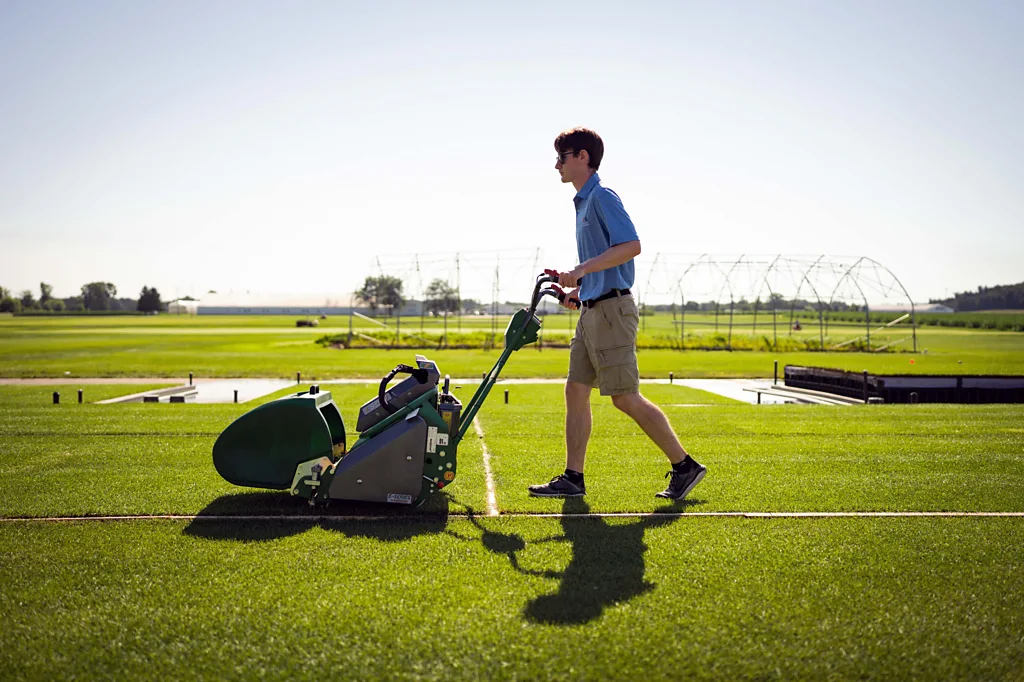
The researchers tested the exact length the grass should be mowed to in each stadium to ensure it allows the best possible play (Credit: Michigan State University)
Many of the specialists involved trace their experience back to the 1994 World Cup in the United States, when natural grass was first installed inside the Pontiac Silverdome in Michigan. At the time, the project was considered revolutionary.
Trey Rogers III, now one of the leading figures behind the 2026 preparations, worked on that original pitch installation alongside Sorochan, who was then a graduate student helping compact sand beneath the turf.
What began as an experimental project decades ago has evolved into a multimillion-dollar scientific operation.
FIFA has reportedly spent more than $5 million on grass research ahead of the tournament. While fans may focus on tactics, star players, and goals, organisers understand that the quality of the surface beneath the game could shape the entire spectacle.
A poor pitch can slow matches, interrupt passing, and, in worst-case scenarios, contribute to serious injuries capable of ending careers.
Still, despite years of research and preparation, uncertainty remains. The temporary nature of many pitches means they will only be installed days before kick-off, leaving little room for error.
For Sorochan and Rogers, the stakes extend beyond football itself. They hope the innovations developed for the World Cup will eventually improve sports surfaces around the world, from professional stadiums to local school grounds.
Ultimately, their work may determine whether the 2026 World Cup delivers the fast, fluid football fans expect, or whether the tournament becomes remembered for the surface beneath the players’ feet.