Exploring Bangladesh’s invisible ecosystem: A macro photographer’s journey
We all have heard of street photography, portraits, or city captures. But do you know there is a form of photography called macro photography?
Exploring Bangladesh’s invisible ecosystem: A macro photographer’s journey
We all have heard of street photography, portraits, or city captures. But do you know there is a form of photography called macro photography?
Few choose to explore life beyond the traditional narrative, in exploring the micro substances that can barely be seen with the naked eye and are hard to capture without special tools, and end up inventing something magical and exemplary.
The biggest question is: how are these atomic-sized objects presented in such a large frame?
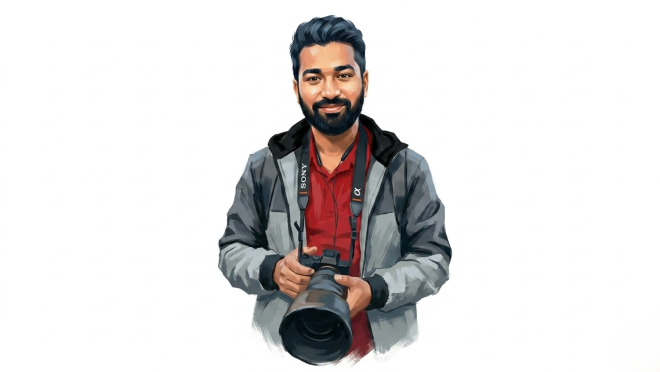
Lens and Lines founder Shofiqul Islam Shozib set such an example. I talked with him to know more about his exploration and discovery of various types of insects.
Starting the journey
When asked how he developed an interest in insect photography, he said it all started with curiosity.
“I realised there is a hidden universe all around us that most people overlook. Once I began observing insects closely, I became fascinated by their colours, structures, hunting techniques, and survival instincts.” He felt as if he were discovering an entirely new world in familiar places.
To capture these microorganisms, he uses a Sony A6400 for most of his photography. For macro work, the primary lenses he uses are Laowa 65 mm 2x Macro and Sigma 56 mm f/2.8 Macro, often paired with a Raynox DCR-250 for extreme close-ups. For lighting, he uses a Godox V350 flash, a custom diffuser, portable LED lights, and handheld light sources depending on the situation.
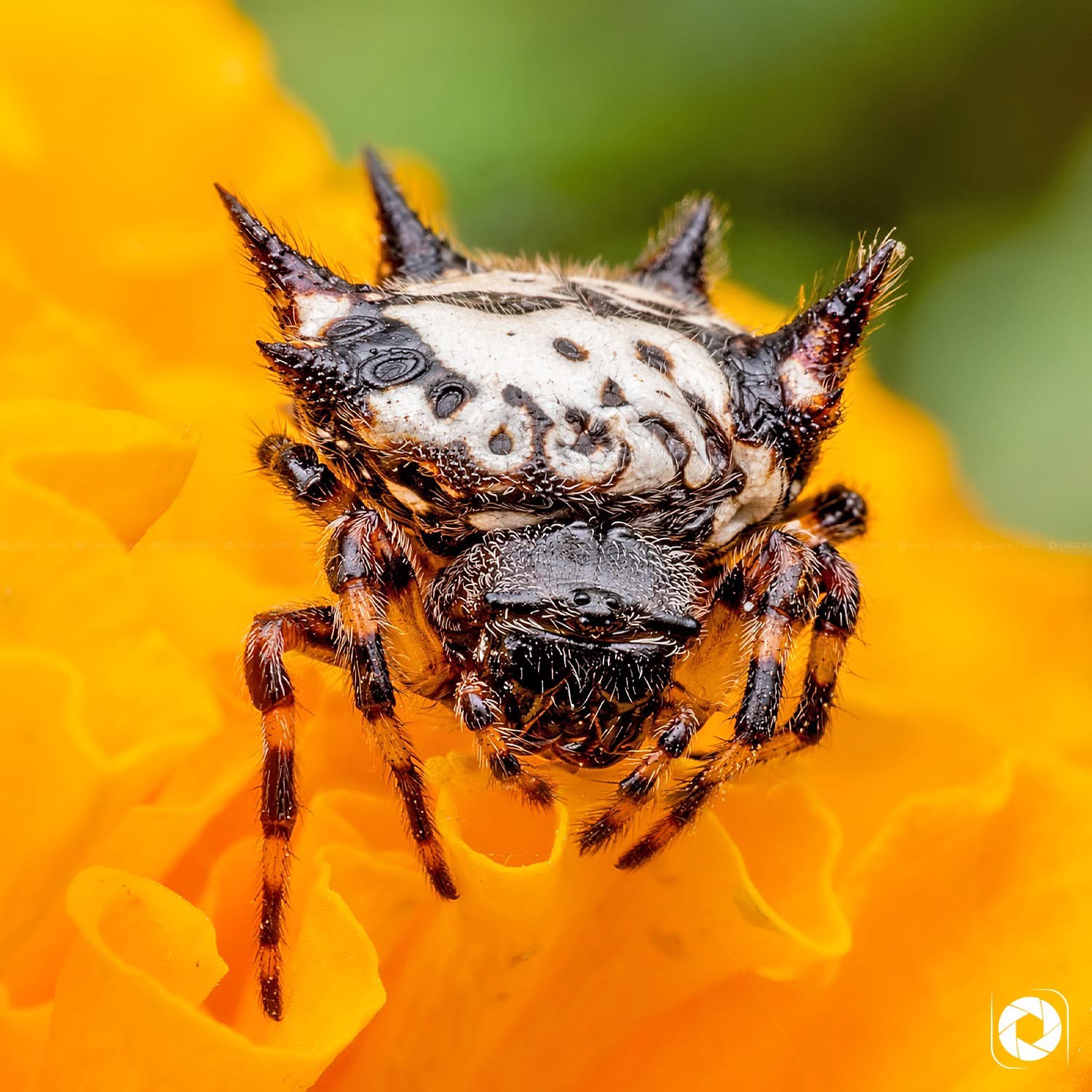
Before heading out, he keeps his setup practical and ready because wild macro photography requires quick reactions.
“I usually mount my macro lens, attach my flash and diffuser, check battery levels, clean the lens, and make sure memory cards are ready. My camera settings depend on the situation, but I generally prepare for macro conditions: fast enough shutter speed to freeze movement, appropriate aperture for depth of field, and flash settings for consistent lighting.”
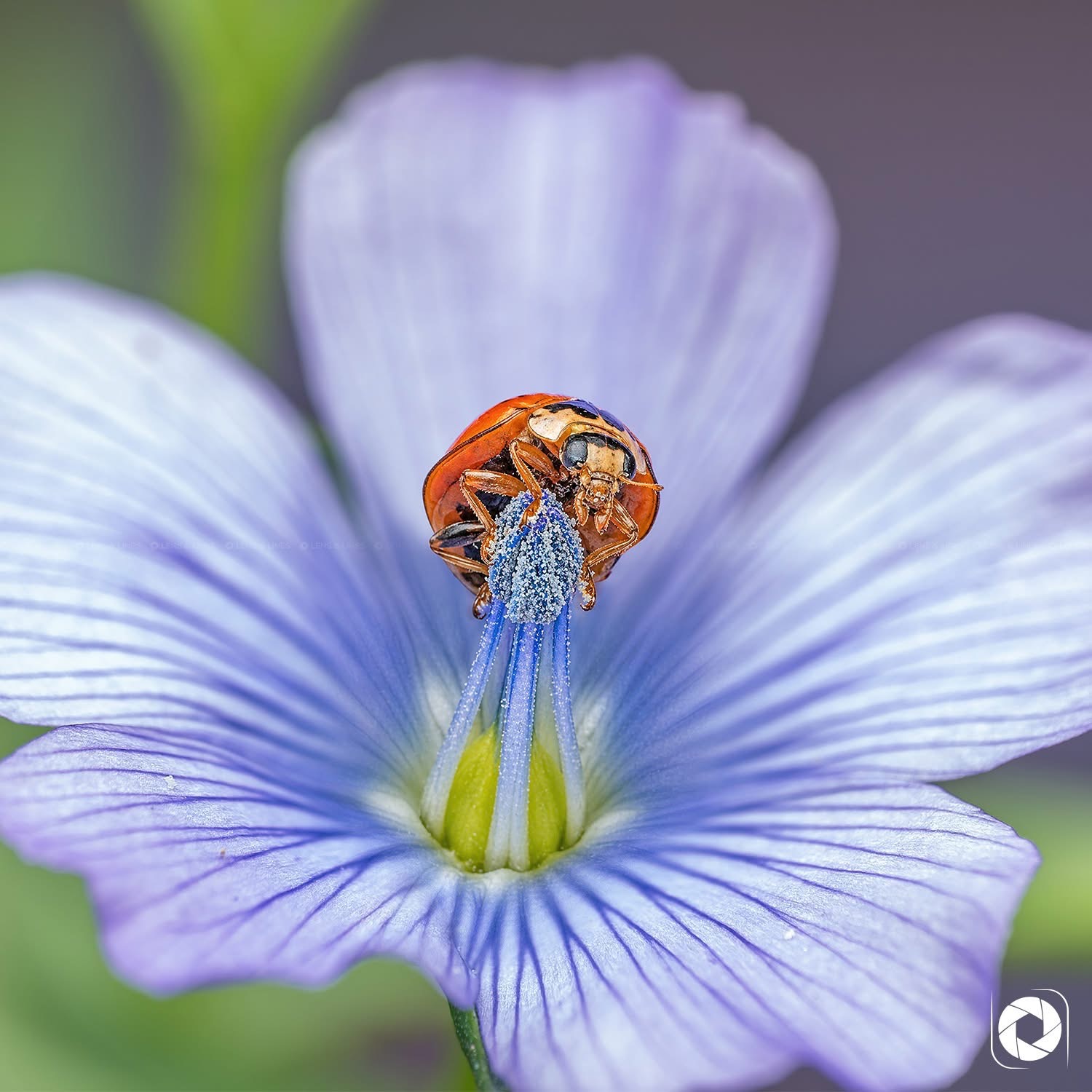
Since subjects move unpredictably, he prefers a setup that allows him to react quickly rather than constantly changing gear in the field. Despite all this, he said that macro photography demands precision, patience, and adaptability.
Process of clicking
Finding insects is a mix of observation, experience, and understanding their behaviour. When I asked how he finds when and where a specific insect will be found, he said that over time he has learned that different insects prefer different habitats. Some stay around flowers for nectar, some hide under leaves, some prefer wetlands, grasses, tree bark, or humid shaded areas.
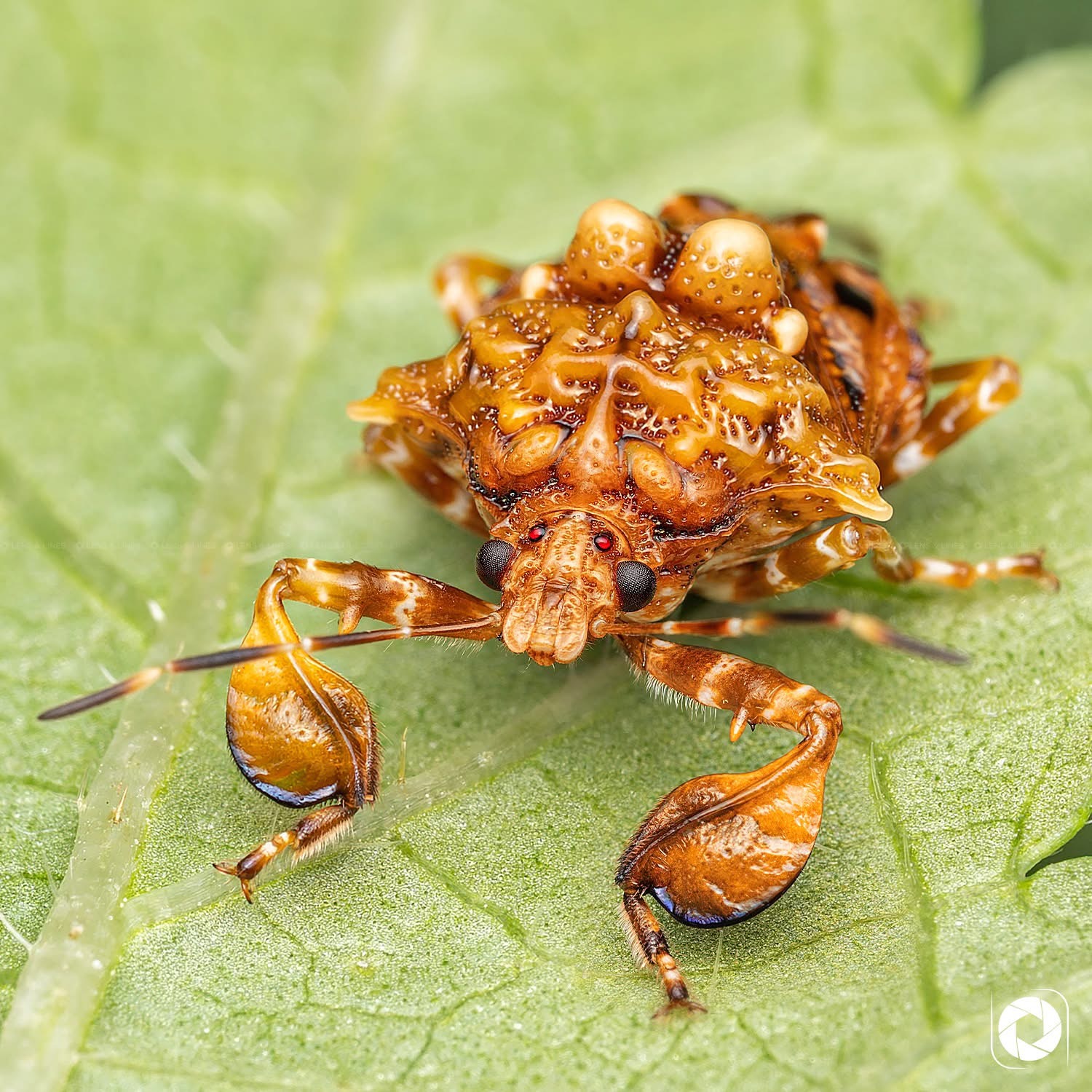
Early morning is often one of the best times because many insects are less active and easier to approach. No wonder why he goes for photography at that time the most. Seasonal changes also matter, since some species appear only at certain times of the year.
“Sometimes I go looking for a specific habitat rather than a specific insect, because nature often surprises you.”
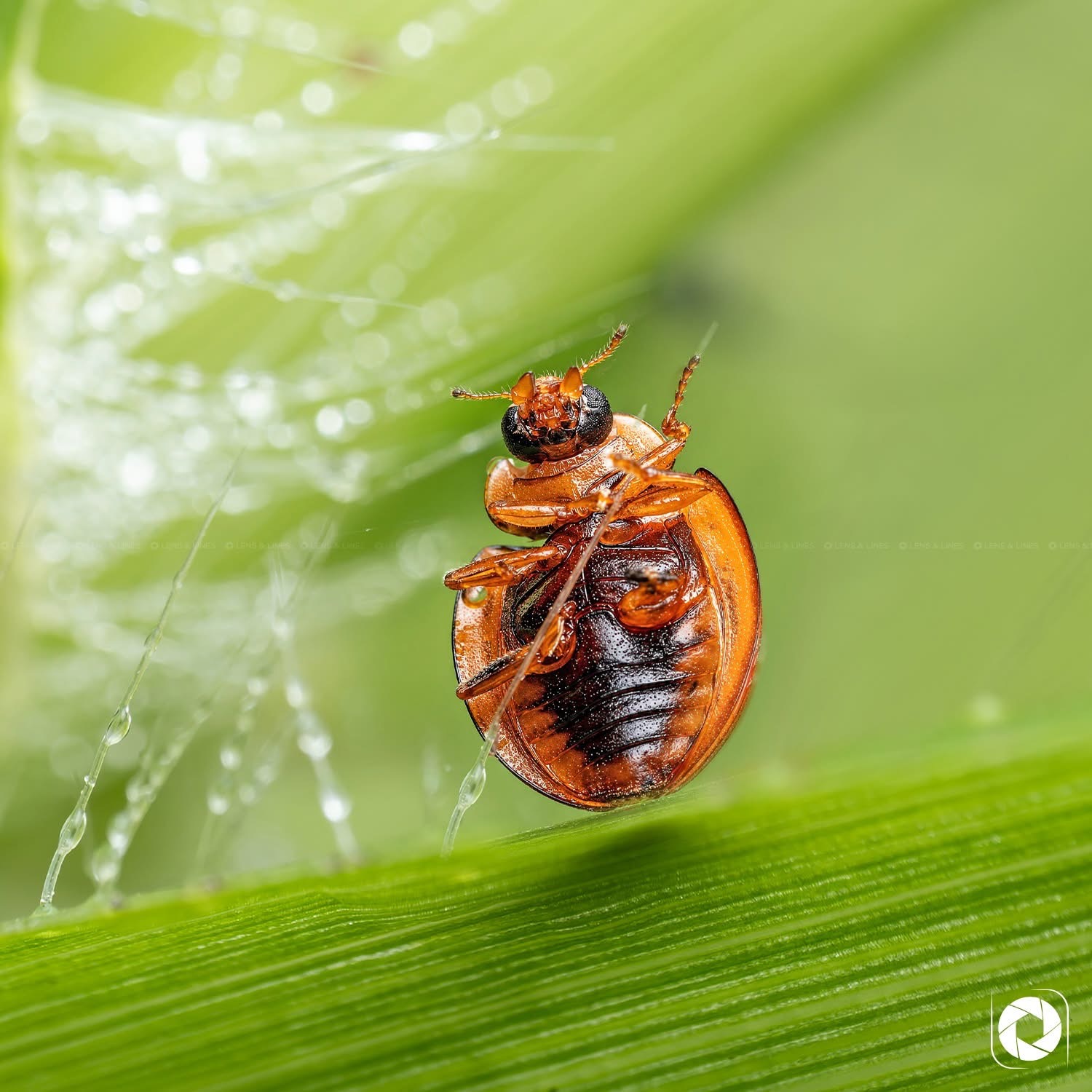
Shozib does photography during early mornings, weekends, or any free time whenever he can manage. Since photography is a passion, he tries to be disciplined with his schedule. Macro photography also teaches patience, for which even short sessions can be productive.
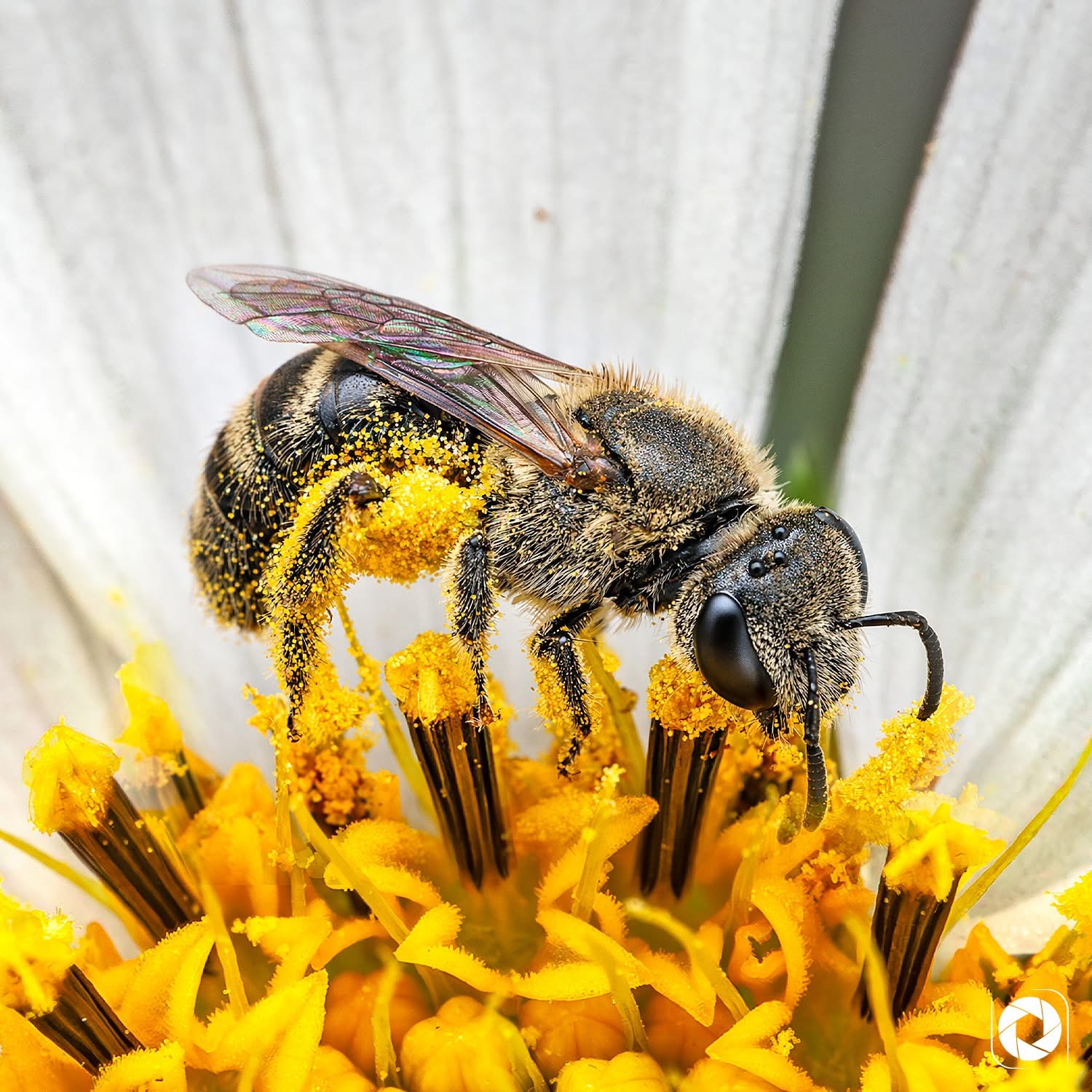
In answering where he has visited so far to capture insects, he said most of his insect photography has been done in natural environments across Bangladesh. Gardens, village areas, wetlands, parks, roadside vegetation, and quiet green spaces became his capturing spots.
“One amazing thing about insect photography is that extraordinary subjects can be found almost anywhere if you look closely,” he said.
Apart from this, he has encountered several uncommon and hard-to-spot species, especially tiny predatory and parasitic insects that most people would never notice. For Shozib, rarity is often about the difficulty of finding and documenting them in their natural behaviour rather than just scientific classification.
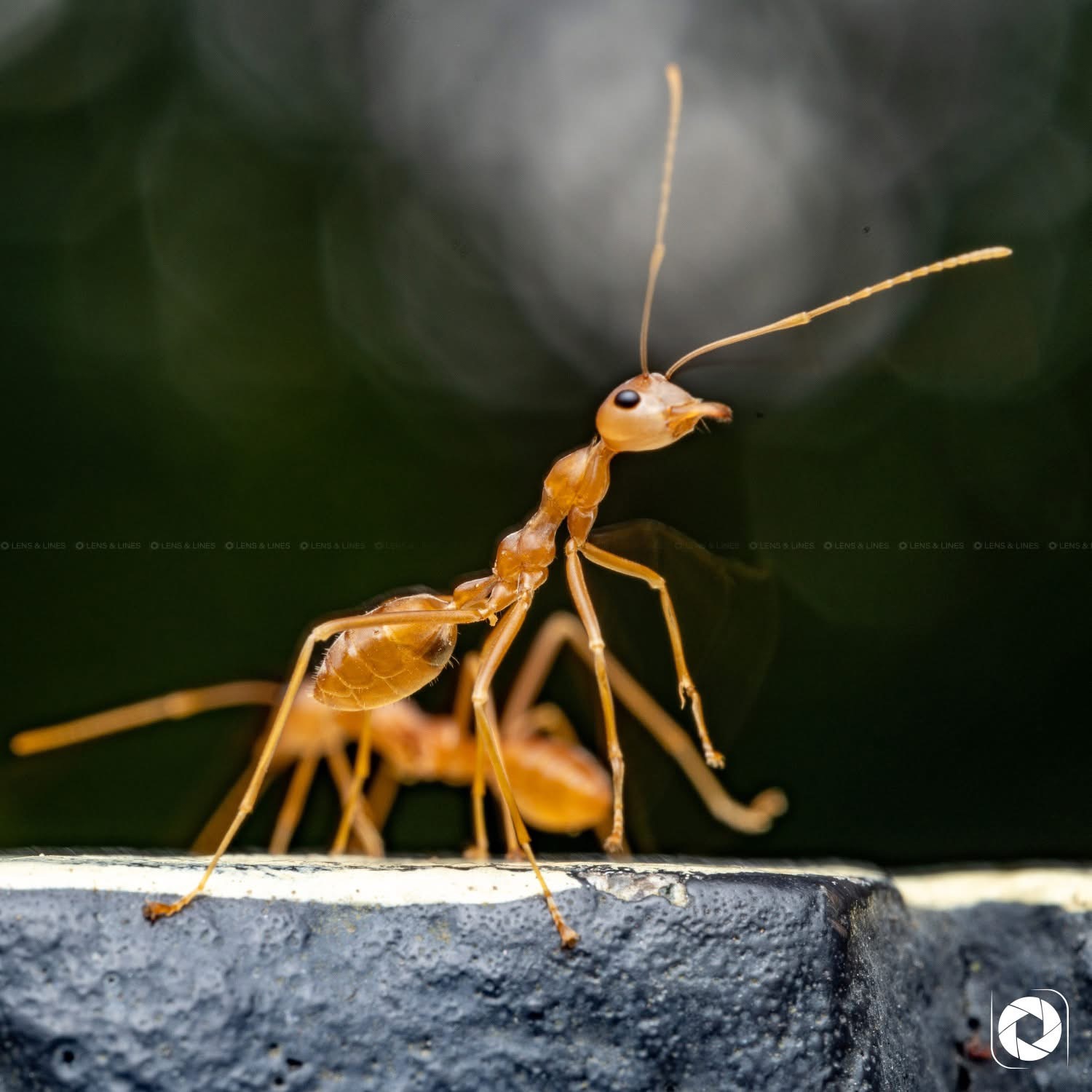
While asking what steps he follows while taking macro pictures in the wild, he broke it down into a few criteria. First, he carefully observes the surroundings and looks for signs of insect activity on leaves, flowers, branches, or shaded areas. Once he finds a subject, he spends a moment watching its behaviour to understand how it moves.
Afterwards, he approaches slowly to avoid scaring it away, adjusts his angle and lighting for the best composition, and focuses on important details like the eyes or body texture.
“Since even tiny movements can ruin a shot, I capture multiple frames patiently. Most importantly, I always try to respect the insect and its natural habitat while shooting.”
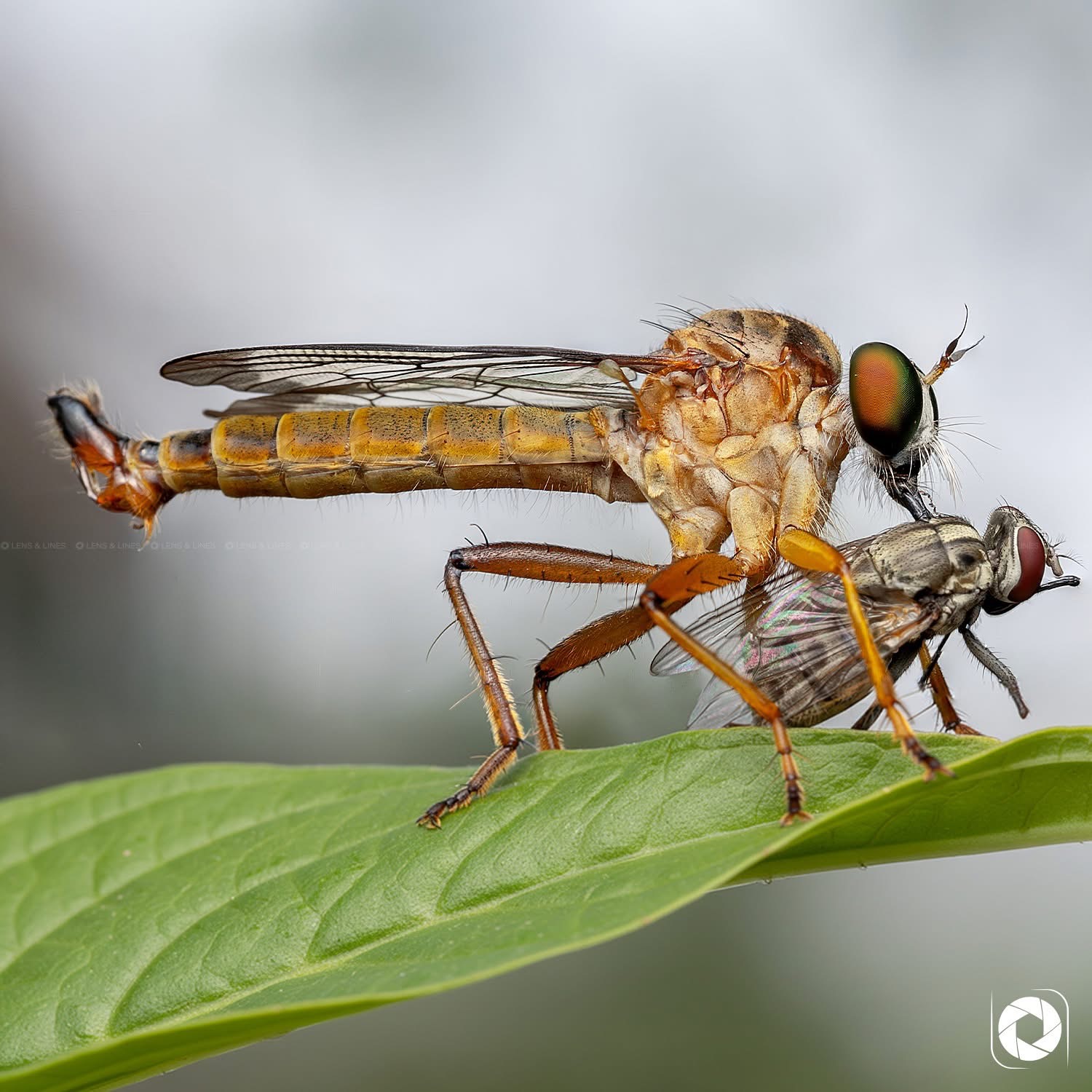
Timing is everything in insect filming. Some insects are active only at dawn, while others appear depending on the season or the weather. Challenges include limited light, insect movement, environmental conditions, and even unexpected wildlife encounters. But those challenges are part of what makes the journey exciting and rewarding.
While asking whether he faced any sort of challenges while filming insects, he said insects are unpredictable, fast, and often active for only a few seconds. Weather conditions like wind can ruin a macro shot instantly.
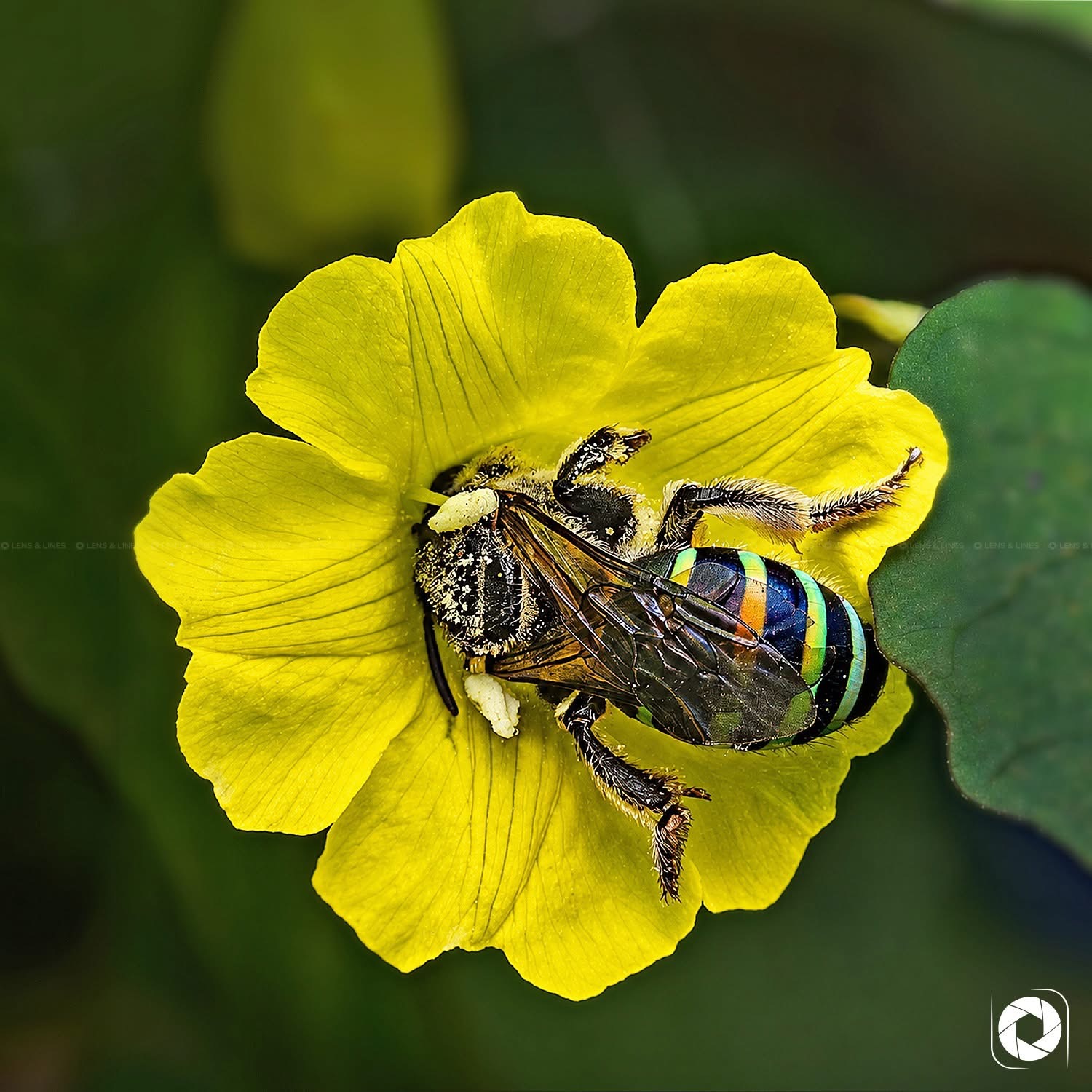
Lighting is another challenge because even tiny shadows matter at high magnification. And of course, mosquitoes!
“There have been shoots where I was constantly being bitten while trying to stay perfectly still for a frame. It is definitely part of the field experience.”
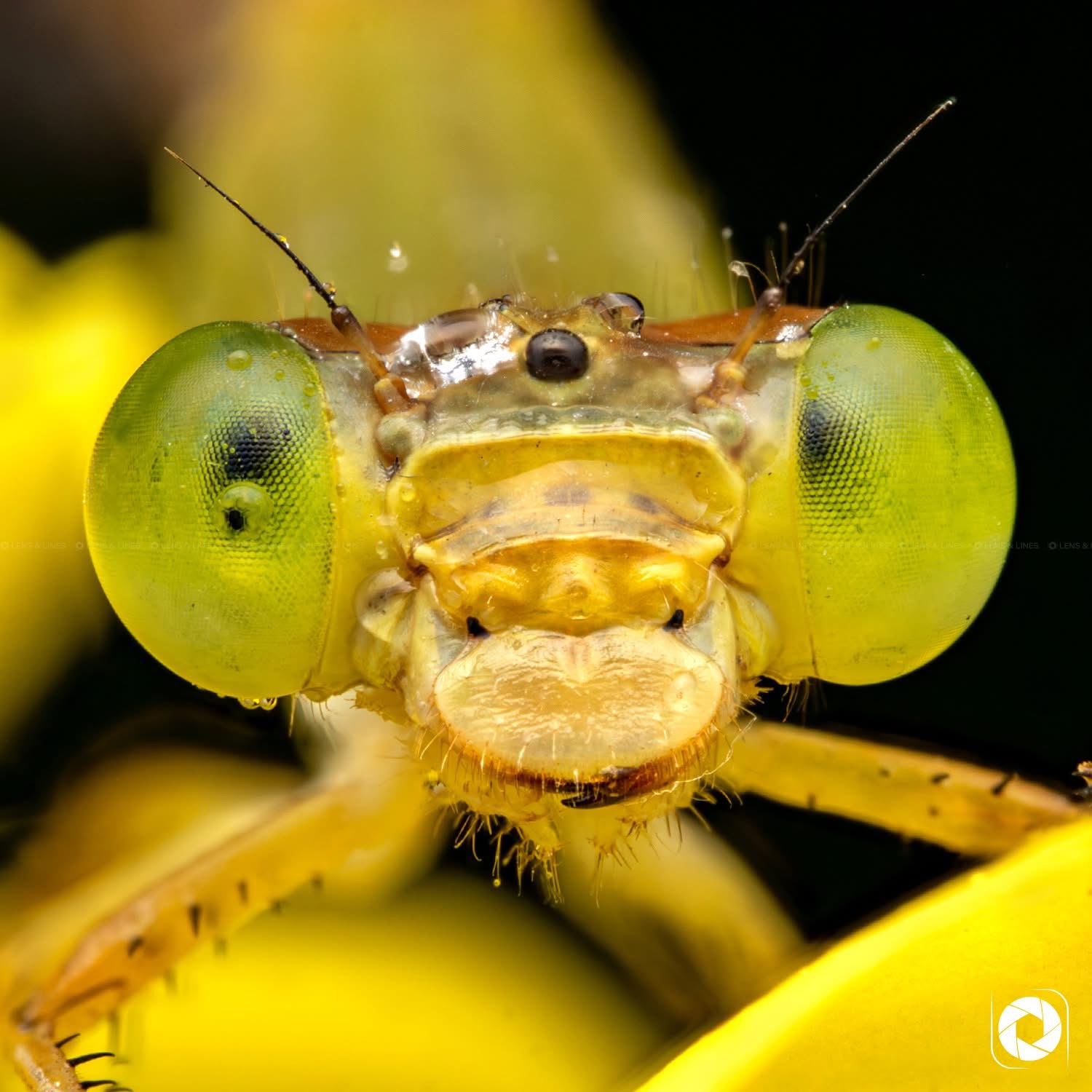
One unforgettable experience he shared was once being so focused on photographing tiny insects that he unexpectedly came face to face with a snake, not once but twice, on different occasions, a strong reminder that when one enters nature to document the small world, he or she is stepping into a much larger ecosystem where everything is connected.
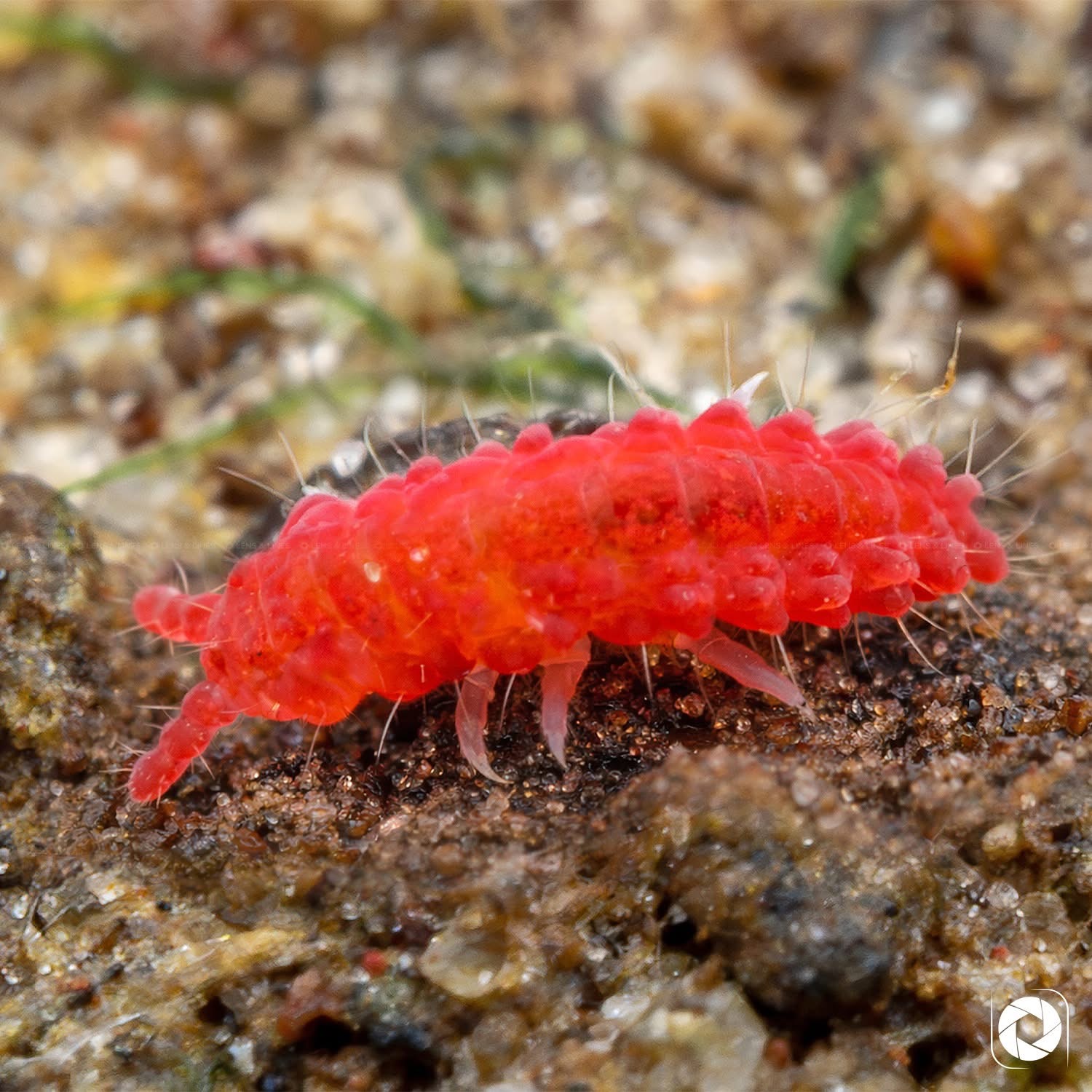
The goal of Lens and Lines is to help people see the beauty and importance of the tiny world around us. Many insects are misunderstood or ignored, but they play essential roles in ecosystems. Through macro photography, Shozib wants to inspire appreciation, awareness, and respect for biodiversity.