Old money, new trend: The rise of old money aesthetic in Bangladesh
In recent years, a new sartorial narrative has quietly taken root across the globe, and increasingly on the streets and social feeds of Bangladesh.
Old money, new trend: The rise of old money aesthetic in Bangladesh
In recent years, a new sartorial narrative has quietly taken root across the globe, and increasingly on the streets and social feeds of Bangladesh.
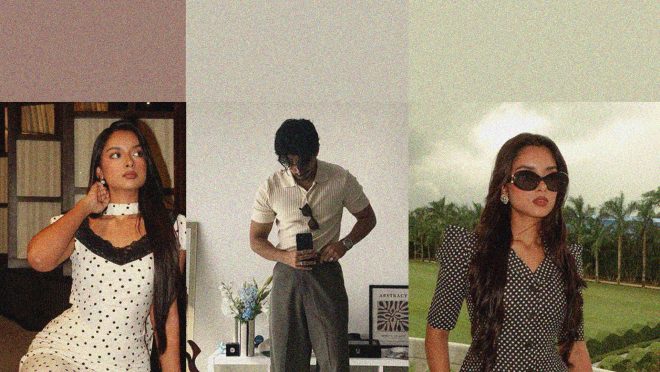
Known as old money fashion, this aesthetic is less about the flash of logos and trends and more about timeless elegance, subtle indulgence, and a sense of style that suggests heritage rather than hype.
From bootcut pants and classic shirts to understated accessories like rings, watches, sunglasses and fine chains, old money fashion is not just about clothes, it is about projecting quiet confidence and refined taste.
What is old money fashion?
At its core, the old money look, also called quiet luxury, is the antithesis of fast fashion and logo-heavy dressing. Instead of large brand insignias or seasonal trends, it prioritises quality, craftsmanship, and a neutral colour palette. Think rich fabrics like cashmere and linen, well-cut blazers and trousers, crisp white shirts and styles that feel just as appropriate in a yacht club as a city street.
The name itself is evocative. Old money, the wealth inherited over generations in elite families, conjures images of understated sophistication where the clothes do the talking without ever shouting. This is a style deeply rooted in history and tradition, where less is deliberately more.
Modern definitions agree. Old money fashion is characterised by neutral tones (navy, grey, camel, cream), impeccable tailoring, and natural materials like wool, silk and cotton. Logos are absent, as true luxury does not need to announce itself.
The pull of quiet luxury
Unlike flashy streetwear or trend-chasing fashion moments, old money style speaks to something deeper, an enduring elegance that can survive decades without looking dated. It is why pieces like cable-knit sweaters, Oxford shirts, tailored trousers and classic loafers have enjoyed renewed popularity even among younger generations who otherwise embrace fast-moving styles.
This vogue for timelessness can be seen as part of a broader cultural reaction to the exhaustion of trend-driven dressing. After years of logo mania and maximalist fashion, many consumers are gravitating towards garments that feel worth investing in, not just because they look good now, but because they will still look good years later.
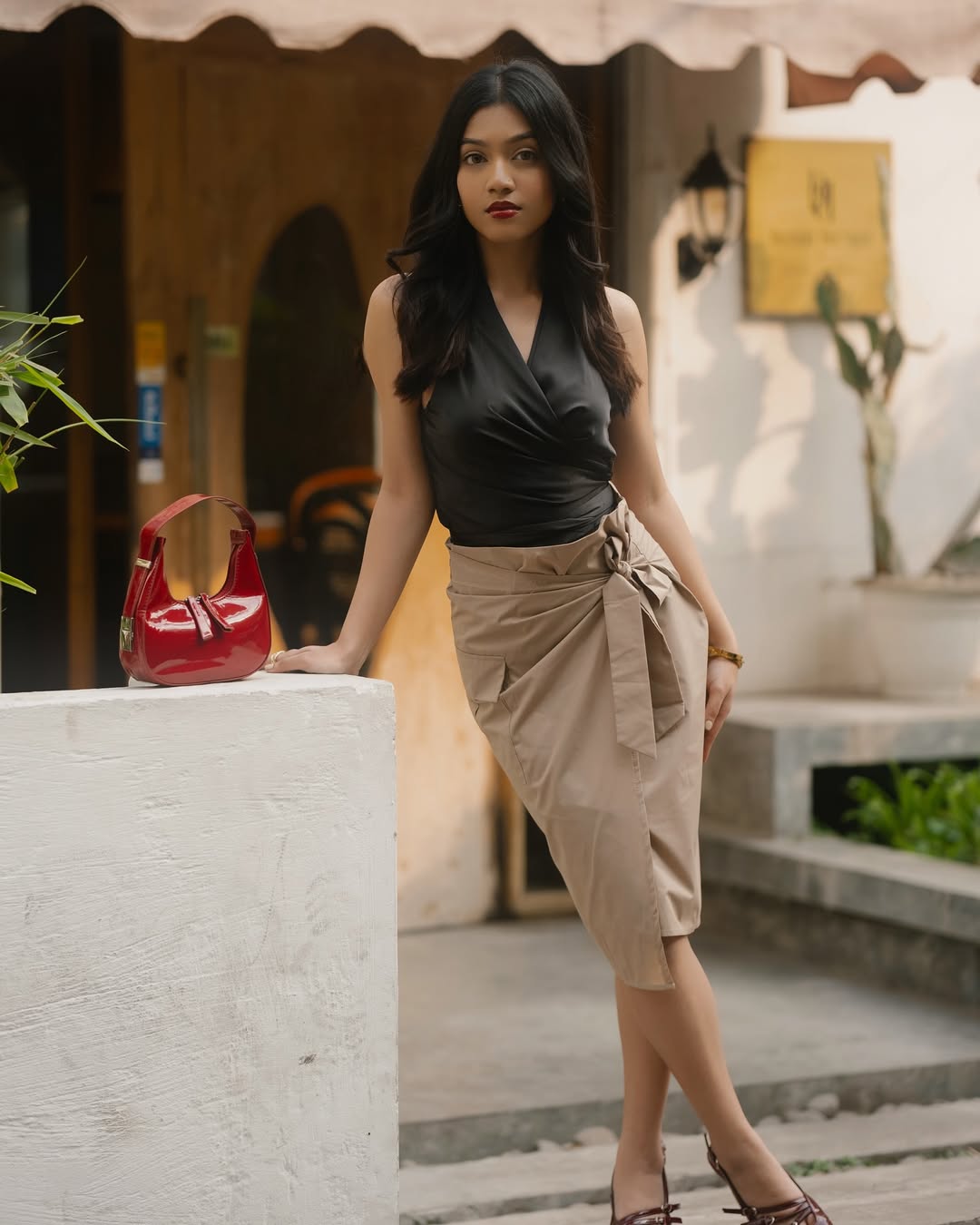
Model: Saba Chowdhury, Photo: Collected
“While I prefer the term ‘timeless’, there is no denying that there has been a surge of people who want to wear time well. When styled well it has the advantage of not making you regret how you presented yourself when you look back in 20 years. And when bought from the right places, it also has the advantage of lasting you those 20 years,” said Mr Raiyan Chowdhury, owner and CEO of Tapered.
This principle does not just apply to clothes. Accessories also play a crucial role: classic watches, simple gold or silver rings, understated chains, and aviator or tortoiseshell sunglasses are cornerstones of the look. These items, unlike trend products, age gracefully, sometimes becoming more distinguished with time.
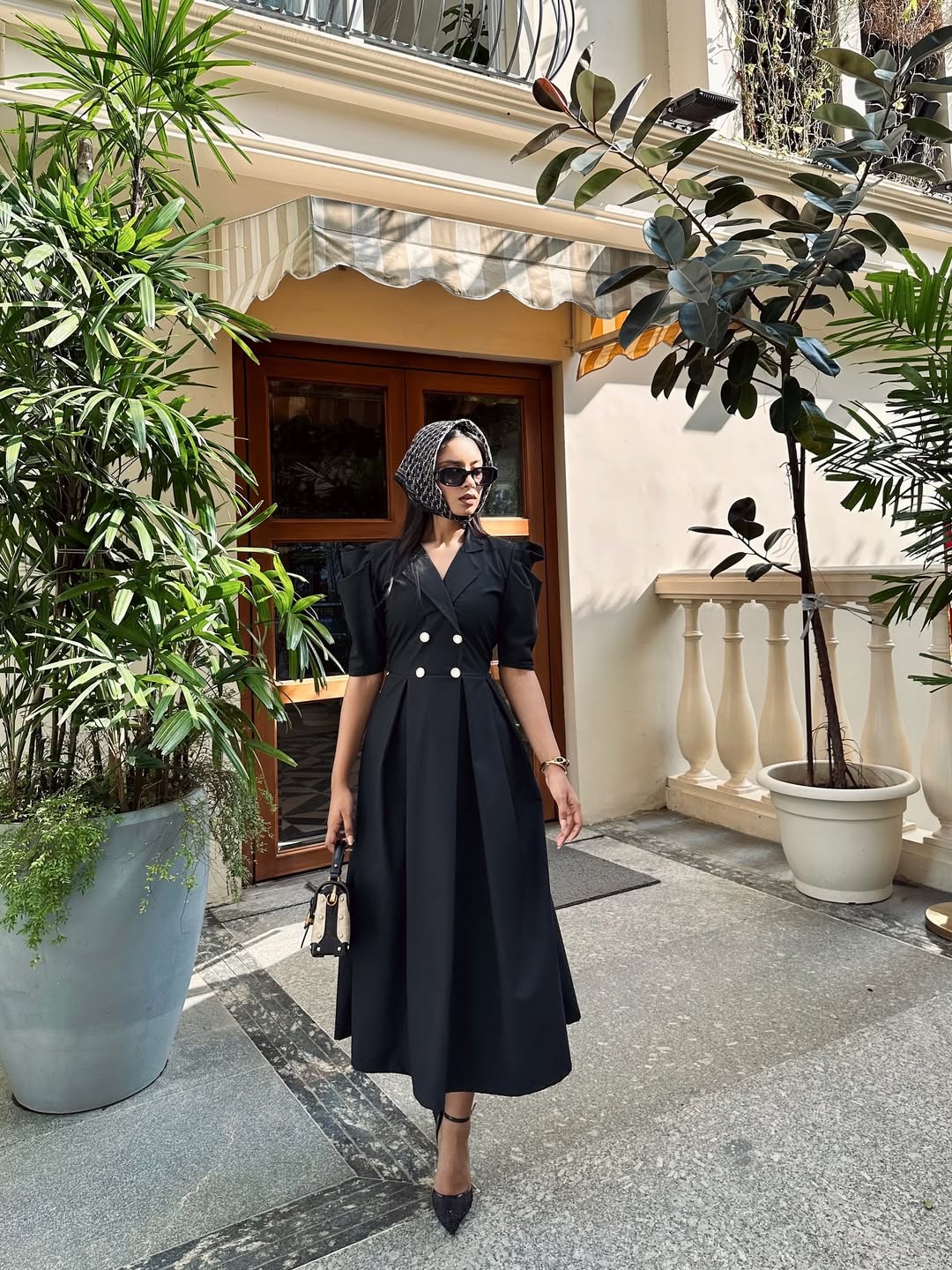
Model: Hafsa Fiza, Photo: Collected
Why bootcut pants matter
One interesting piece of the old money resurgence has been the comeback of bootcut pants or jeans. Once a staple of mid-20th-century wardrobes, bootcut jeans trace their origins to practical workwear of the 1850s, later becoming a mainstream classic through Hollywood cinema and later fashion cycles.
Unlike skinny or ultra-trendy cuts, bootcut jeans offer a balanced silhouette, fitted through the thigh with a gentle flare that flatters many body types, and historically were worn with sturdy boots.
Today, they fit perfectly into the old money ethos: classic silhouettes over flash. Their resurgence, noted by fashion insiders, has seen styling paired with elegant footwear and refined tops rather than streetwear sneakers, further reinforcing the timeless finish.
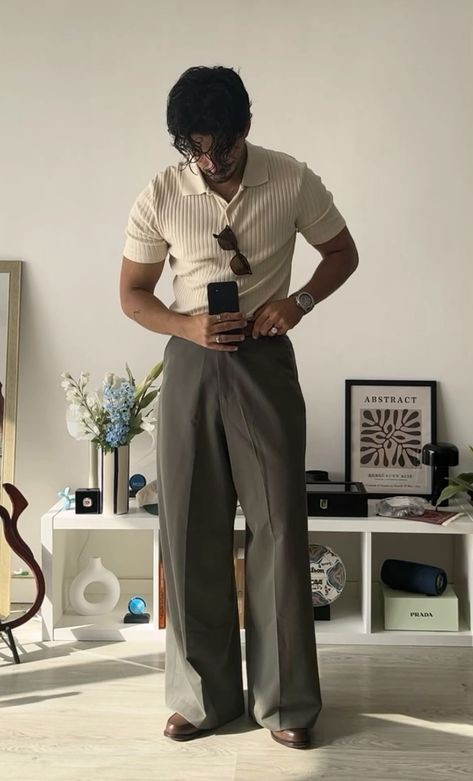
Bootcut formal pants are all the hype at the moment due to their versatility. These pants can be fashioned with formal attire like a suit or blazer, giving a timeless look we see in classic movies. Furthermore, they have also been paired with panjabis and other traditional attire, adding an elegant contemporary twist.
The Bangladesh context: heritage meets new ambitions
In Bangladesh, the old money aesthetic has found fertile ground among youth, professionals, and fashion communities looking to articulate a different kind of elegance. Here, traditional heritage fashion, long associated with meticulous craftsmanship, now intersects with global slow luxury trends.
Bangladesh’s growing middle and upper classes are increasingly exposed to international fashion currents through social media, local influencers, and fashion weeks. Styles that once felt unattainable or foreign like quiet luxury, understated tailoring, heritage denim are now being translated into local wardrobes with a uniquely Bangladeshi sensibility.
“What is interesting is how customers are now more aware of fabric quality. They are asking about cotton blends, linen textures, and wool finishes; things that were not commonly discussed a few years ago in everyday retail conversations,” said Mr Murshed Ahmed, owner of Sun Tailors and Fabrics.
This adoption is not just mimicry; it reflects a desire for restraint over ostentation, something that resonates with local cultural values of modesty and dignity. Where once loud logos and fast fashion held sway, there is now a visible shift towards more classic, well-fitted garments that communicate confidence without extravagance.
In cities like Dhaka and Chattogram, young professionals pair well-tailored blazers with classic chinos, or modern bootcut pants with crisp white shirts and subtle accessories. Even in Dhaka’s bustling corporate corridors, quiet luxury is emerging through simple watches, minimal rings, finely crafted leather belts and tortoiseshell sunglasses that complement outfits favouring neutral palettes and fluid silhouettes.
According to a clothing business owner in Bangladesh: “We are seeing increased demand for classic pieces like tailored trousers, neutral-toned shirts, knit polos, and structured blazers. The focus is less on trends and more on longevity and versatility.”
Beyond everyday wear, this aesthetic also colours how fashion is featured in Bangladesh’s lifestyle publications and social feeds: minimalistic photo compositions, muted tones, and storylines that celebrate quiet success over flamboyant displays.
Old money fashion’s rise in Bangladesh goes beyond simply imitating Western elites. It represents a stylistic rebellion against fast fashion and disposable trends. In a society with deep historical roots in textiles and garment production, this shift underscores a larger narrative, one where craftsmanship, heritage, and personal refinement are central to how individuals want to be seen.
Moreover, this aesthetic resonates with a generation that values meaningful consumption: buying less but better, choosing garments that endure, and valuing the story behind each piece.
In essence, the rise of old money fashion in Bangladesh signals more than a passing trend; it reflects a broader shift in how style is understood and valued. Moving away from fast fashion and overt branding, a new generation is embracing clothing that speaks softly but carries depth, favouring craftsmanship, restraint, and timeless appeal over fleeting statements.
As global influences merge with local sensibilities, this aesthetic is being redefined through a Bangladeshi lens, where tradition, modesty, and modern aspiration coexist. Ultimately, old money fashion is not about imitating inherited wealth, but about cultivating a sense of quiet confidence and enduring elegance, one that feels increasingly relevant in a world that is constantly changing, yet still drawn to what never goes out of style.