Chinese AI models gain popularity in US with lower costs and strong performance
Chinese AI models gain popularity in US with lower costs and strong performance
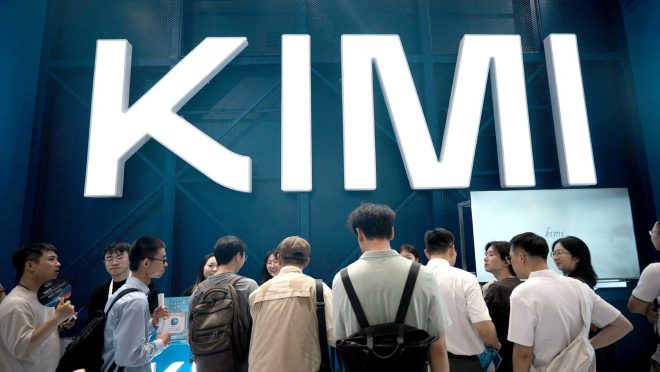
Chinese artificial intelligence models are gaining increasing attention in the United States and other markets as users turn to cheaper, open-source and efficient alternatives to leading American AI systems.
Raffi Krikorian, chief technology officer at Mozilla, said he switched to Chinese AI startup Moonshot’s Kimi K3 model for many daily tasks shortly after its launch, finding it faster compared with Anthropic’s more expensive Claude chatbot.
He had earlier used another Chinese model, Z.ai’s GLM-5.2, for tasks including managing calendars, documents and emails.
A growing number of US users and companies are adopting Chinese AI tools, attracted by their affordability and improving capabilities. Cryptocurrency exchange Coinbase is among firms that have explored Chinese models to reduce costs.
The rise of Chinese AI systems has raised concerns among some US technology companies, particularly over intellectual property and access to advanced technology.
Washington has imposed restrictions on China’s access to some advanced AI chips, while US officials have accused some Chinese firms of using questionable methods to develop models — allegations Beijing has rejected.
The rapid progress of Chinese AI companies has intensified competition with US firms. Earlier this year, startup DeepSeek attracted global attention after launching an AI model that matched the performance of some US systems at a much lower cost.
Recent models from Chinese companies, including Z.ai, Moonshot and Alibaba, are increasingly viewed by experts as competitive with leading AI systems from OpenAI and Anthropic in several areas.
Curt Meinhold, a US technology executive, said he increasingly uses DeepSeek for business-related tasks, arguing that many users do not need the most advanced and expensive models.
“Most of us don’t need” the highest-end systems and instead require something that is “good enough,” he said.
Analysts say the demand for cost-effective AI models is growing as companies increasingly use AI agents capable of handling complex, multi-step tasks, which can significantly increase expenses when using premium systems.
Chinese models are also benefiting from their open-source approach, allowing developers to examine and modify the technology. Experts say this could help Chinese AI companies expand their influence globally, while many leading US models remain closed-source.
Data from AI tracking platforms showed strong growth in the popularity of Chinese models. Moonshot’s Kimi reportedly saw a sharp increase in downloads after the release of K3, including significant growth among US users.
However, experts noted that Chinese AI models still lag behind leading US systems in overall capabilities.
Some analysts said US policies restricting access to American AI technologies could unintentionally create opportunities for Chinese competitors.
China is now seeking to expand its AI influence internationally, with Chinese companies promoting open-source models and increasing investments in global markets. At the same time, intense competition among Chinese firms is driving rapid innovation.
Despite their growth, Chinese AI startups face challenges, including financial sustainability. Some companies have reported rising revenues alongside large losses due to heavy investment in research and development.
Experts say the competition between China and the US in AI is no longer only a geopolitical race but also a battle among companies within each country to build widely adopted AI ecosystems.