Whale graveyard dating back 5.3 million years discovered
The discovery has drawn significant attention within the scientific community due to its scale, preservation, and the range of species involved.
Whale graveyard dating back 5.3 million years discovered
The discovery has drawn significant attention within the scientific community due to its scale, preservation, and the range of species involved.
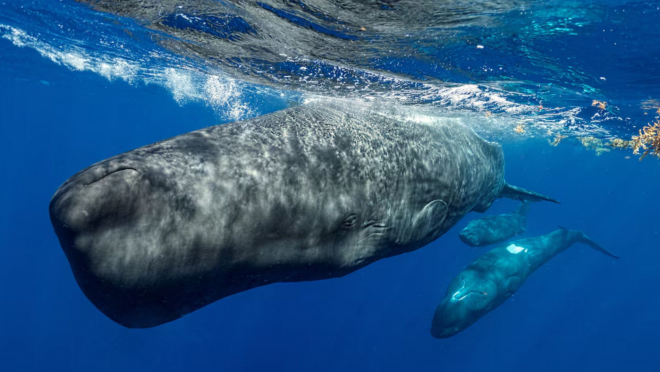
Scientists have uncovered an immense prehistoric whale graveyard in the south-eastern sector of the Indian Ocean, stretching roughly 1,200km (about 745 miles) across the seafloor, reports BBC.
Located within the Diamantina fracture zone, an extensive network of underwater ridges and deep trenches, the site lies at an extreme depth of around 7km (4 miles).
What has particularly fascinated researchers is the extraordinary age of some of the remains, which date back as far as 5.3 million years.
The discovery has drawn significant attention within the scientific community due to its scale, preservation, and the range of species involved.
The exploration was carried out by an international team of scientists from China, Italy and New Zealand, and their findings were published in the journal Nature.
Over the course of 32 deep-sea dives, the team documented evidence from 485 separate whale-fall locations, including both ancient fossils and modern carcasses in various stages of decomposition.
Among the most notable finds was the fossilised skull of an extinct whale identified as Pterocetus benguelae, dating to approximately 5.3 million years ago.
Researchers also recovered the remains of a large Antarctic minke whale, estimated to have been about five metres long.
In addition, the team identified a previously unknown species, later named Pterocetus diamantinae in reference to the region where it was discovered.
The site also supports a thriving deep-sea ecosystem. Organisms such as worms, jellyfish and crustaceans were found feeding on and around the whale remains, forming a complex biological community sustained by the decomposing carcasses.
According to commentary published in Nature, the discovery represents an exceptional and unexpected window into deep-ocean life and evolution, with experts suggesting that similar environments may yet reveal further significant scientific finds.