Why Finland is betting on libraries in the digital age
Why Finland is betting on libraries in the digital age
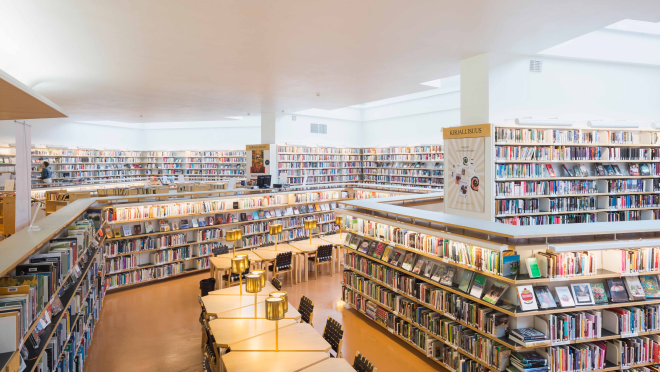
Finland is redefining the purpose of public libraries, demonstrating that their true value extends far beyond the number of books they lend. Increasingly, libraries are being recognised as vital community spaces that strengthen democracy, social inclusion and public wellbeing.
According to a BBC report, Helsinki’s landmark Oodi Library offers a striking example of this transformation. On freezing winter mornings, visitors queue outside before opening time, eager to secure their favourite spots. By lunchtime, the building is often packed with students, families, hobbyists and community groups making use of its wide-ranging facilities.
Inside Oodi, visitors can do far more than borrow books. People gather for knitting circles, record music in soundproof studios, attend Finnish conversation classes, or simply enjoy a welcoming public space. Outside, young people borrow sports equipment and meet friends on the library’s basketball court.
The scene contrasts sharply with developments in many other countries. While hundreds of public libraries have closed across the United States and numerous libraries in the United Kingdom have either shut down or been transferred to volunteer management, Finland continues to expand and invest in its library network.
Today, Finland’s more than 700 libraries serve a population of just 5.6 million people. They offer access to podcast studios, 3D printers, sewing machines, sports equipment and even swimming pool passes. In Helsinki, the most frequently borrowed resources after books are library spaces themselves—rooms that can be reserved free of charge for studying, meetings, music production and civic discussions.
This approach reflects Finland’s long-standing culture of sharing resources. Rather than purchasing expensive items that may only be used occasionally, residents can access them through publicly funded libraries, making services both affordable and sustainable.
The same philosophy can be seen beyond the capital. In Oulu, northern Finland, the recently refurbished Saari Library provides facilities for creative projects, including sewing stations, laser cutters, heat presses and 3D printers. These services attract visitors of all ages and backgrounds, transforming libraries into centres of learning, creativity and collaboration.
Library use in Finland remains exceptionally high. Government figures show that more than half of Finns visit a library at least once a month, while the average resident uses library services more than nine times a year—significantly higher than in many other Western nations.
Researchers argue that strong public engagement is closely linked to sustained investment. Rather than reducing services when visitor numbers decline, Finnish experts focus on improving accessibility, visibility and relevance to local communities.
However, the importance of Finnish libraries extends far beyond practical services. Under Finland’s Library Act, public libraries are legally required to promote democracy, freedom of expression and active citizenship. Similar principles are embedded in library policies across several Nordic countries.
According to the BBC report, Finland allocated approximately €371 million to public libraries in 2025, equivalent to nearly €66 per person. This investment supports not only traditional library services but also extensive digital inclusion programmes that help citizens navigate online government services, taxation systems, healthcare portals, banking platforms and job applications.
For many people, libraries serve as essential community support centres. Librarians regularly assist visitors with practical tasks such as accessing digital records, preparing CVs and completing administrative procedures. Researchers describe these services as critical infrastructure that helps ensure no one is left behind in an increasingly digital society.
Studies have also highlighted the economic value of libraries. International research suggests that public libraries often generate between three and five dollars in societal benefits for every dollar invested, through improved literacy, employability, digital skills and community wellbeing.
Trust is another key factor. While confidence in many public institutions has declined globally, libraries continue to enjoy exceptionally high levels of public trust. Experts believe this stems from their role as free, non-commercial spaces where people can gather, learn and participate without any expectation to spend money.
Libraries also help bridge the gap between citizens and decision-makers. Across Finland, pilot projects have used library spaces to host discussions between residents, politicians and public officials, encouraging civic engagement and strengthening democratic participation.
For some Finns, the impact is deeply personal. Finnish Member of Parliament Nasima Razmyar, who arrived in the country as a child refugee from Afghanistan, recalls receiving her first library card as one of her earliest experiences of belonging. She credits libraries with helping her learn, integrate and succeed in her new home.
Today, as she watches her own children browse library shelves, Razmyar sees libraries as far more than public buildings. They are places where people gain knowledge, build connections and develop a sense of belonging.
Finland’s experience suggests that libraries flourish when they evolve alongside society’s needs. By serving as community hubs, digital support centres, creative spaces and democratic forums, they demonstrate that the true value of libraries lies not only in what they lend, but in how they help communities function, connect and thrive.