Why we swear in English
Why we swear in English
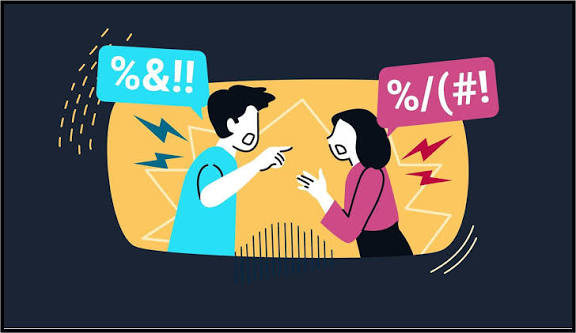
Phrases like “Shut up! You…” often slip out in English during moments of anger. Yet in times of deep emotion, joy or sadness, many people naturally return to their native language. Although this may seem unusual, psychologists say it reflects a strong connection between the brain, emotion, and language.
According to experts, the language a person uses in different situations depends largely on the brain, habit, and the environment in which they grew up.
Specialists explain that the language learned in early childhood becomes closely tied to emotional expression. In contrast, a second language such as English is usually acquired later in life. It is used mainly in academic settings, workplaces, and formal communication, which creates a certain emotional distance from it.
Because of this distance, English can sometimes act as a kind of psychological buffer during moments of anger. When emotions run high, people may subconsciously avoid expressing their feelings too directly in their most emotionally “loaded” language. Switching to another language can create a slight sense of control or detachment.
A person’s native language is formed through early life experiences. Words spoken by parents, childhood memories, and everyday family interactions all become deeply embedded in it.
As a result, when people feel intense joy, sadness or emotional overwhelm, they often instinctively revert to their mother tongue. In such moments, the brain tends to prioritise feeling over logic, making the native language the most natural medium of expression.
Experts also suggest that speaking in a second language can sometimes work as a mental strategy for emotional regulation. Using another language requires slightly more cognitive effort, as the brain has to search for words more carefully. This brief pause can reduce the intensity of anger and help a person respond more calmly.
According to psychologists, foreign languages often serve as tools for thinking and formal expression, while the mother tongue remains closely linked to the heart and emotional identity. No matter how globalised a person becomes, moments of deep emotion often draw them back to their roots.
This is not just an individual experience but a common human tendency shaped by how language and emotion are stored in the brain.