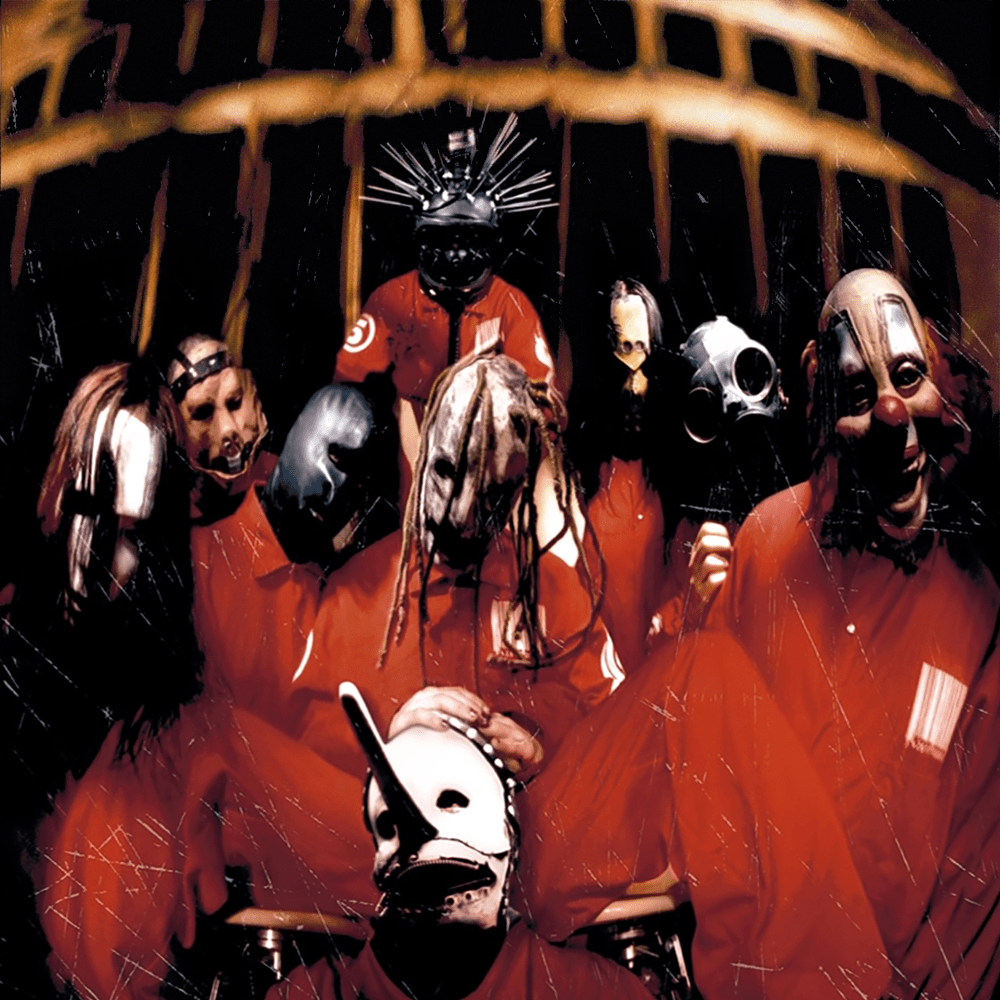
How Slipknot’s 1999 debut album reshaped heavy metal
How Slipknot’s 1999 debut album reshaped heavy metal
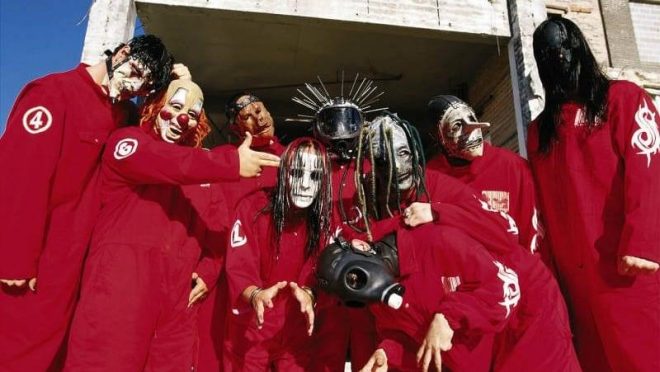
It has been 27 years since nine men from Iowa changed the trajectory of heavy metal, rising to become some of the biggest names in the nu metal movement. Slipknot’s contribution to the genre is undeniable.
The members of Slipknot are instantly recognisable for wearing their signature masks on stage. Rugged, filthy and bordering on horror-film imagery, the masks were never just a visual gimmick. They became an extension of the music itself; violent, chaotic and unfiltered. Designed to erase individuality and ego, the masks allowed the band to function as a single, brutal collective rather than nine separate personalities. In the early years, that anonymity fuelled the mystique, forcing listeners to focus on the sound rather than the faces behind it.

Their self-titled debut, Slipknot, proved to be a breakthrough moment for nu metal. Other bands had experimented with blending hip-hop elements and heavy metal, but none delivered it with Slipknot’s level of aggression. The guttural vocals and brutally down-tuned guitars on tracks like (Sic), Eyeless and Spit It Out cemented the album as an instant classic. There was a raw rage and anguish in Corey Taylor’s voice that felt painfully real—because it was. Taylor did not rely on safe vocal techniques, instead pushing himself to the point of repeatedly losing his voice.
That authenticity was forged in an equally extreme studio environment. Recorded at Indigo Ranch Studios in Malibu, the sessions were overseen by producer Ross Robinson, whose methods were deliberately confrontational. Robinson believed emotion could not be manufactured, only extracted, and he drove the band to their physical and psychological limits to capture it.
The atmosphere was intentionally uncomfortable. Pressure was constant, with Robinson demanding absolute focus and aggression from the musicians. Drummer Joey Jordison faced deliberate distractions mid-performance to provoke instinctive, reactive playing, while percussionist Chris Fehn was pushed to exhaustion in pursuit of raw, imperfect sound. Instruments were grabbed, takes were interrupted, and mistakes were brutally challenged, all in the name of intensity.
For Taylor, the strain eventually reached breaking point. Relentless vocal sessions led to emotional collapse inside the booth, blurring the line between performance and personal release. At the same time, the band was struggling financially, surviving on very little while pouring everything they had into the record.
The result was a debut album that sounded unfiltered and confrontational because it was created that way. The chaos of the studio became embedded in the music itself, shaping Slipknot’s identity and setting a new benchmark for intensity in nu metal recording.
No true metal fan can deny Slipknot’s impact on heavy metal. As their debut album turns 27 today, it deserves to be revisited in full. If you have heard it before, there is no better time to return to it. If you have not, put on your headphones, press play, and remember: “You can’t see California without Marlon Brando’s eyes.”