In defence of chocolate (mostly)
Ever declined a piece of chocolate? It is a minor, punishable offence, maybe in another universe.
In defence of chocolate (mostly)
Ever declined a piece of chocolate? It is a minor, punishable offence, maybe in another universe.
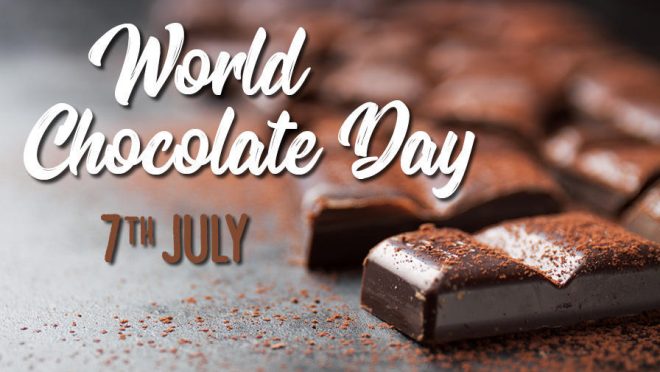
Turning down something so reliably comforting is a form of self-sabotage, in my opinion at least. Our days are usually a lumpy mess of low-level panic and noise, but chocolate remains the constant. It just sits there, waiting to deliver that warm hum of relief the moment it hits your tongue. It’s an unspoken truce with the world, packed into a foil wrapper.
In my house, however, that peace treaty evolved into something much more cynical: a highly effective tool for pure extortion and sibling negotiation.
Around here, a chocolate bar has a shelf life of perhaps fifteen minutes. We never stood a chance. My sister possesses a superpower of detecting cocoa, in any of its forms, from three rooms away. Long before anyone else can even hear the paper-dry crinkle of a breached wrapper, she has already swooped in, hoarded her part of the stash, and gone back to whatever she was doing before the chocolate came into her sight.
Instead of declaring civil war, I built a market. Ask her to do a chore for cash, and she will not hesitate to turn away as if she did not hear you. Offer a vague promise of a future favour, and she’ll laugh in your face like she’s seen a baboon. But look her dead in the eye and dangle a Kinder Bueno? Suddenly, she is the most helpful person on planet Earth. It is a truly brilliant system, built on a mutual understanding of our vices. It works every single time because, beneath the transaction, there’s a weird affection in knowing exactly what makes the other person tick. This is not some modern neurosis, either. We have been hopelessly hooked for millennia, falling in love with the same bitter bean generation after generation.
Long before it was hammered into the neat, sugary bars we see today at the grocery shops, the Aztecs treated cacao like hard, minted currency. Imagine paying your taxes or buying a rabbit with a pouch of beans. It was a luxury reserved for the elite, the warriors: the people who actually mattered. Then the Europeans arrived, took one look at the bitter stuff, and decided it needed a heavy-handed makeover. They tossed in sugar, turned it into a liquid status symbol, and created the VIP bottle service of the seventeenth century: a rich indulgence consumed in secret, velvet-lined salons.
Fast forward to today, and science finally explains the obsession: chocolate is a gentle trick played on the human nervous system. It triggers a sudden dump of endorphins and serotonin, effectively softening the edges of the real world. When life feels like it is collapsing, those two minutes of melting cocoa give us a beautiful emotional reset. Though it may be temporary, it is an edible grace period.
Long before we needed it to survive adulthood, chocolate was just how you made things happen as a kid. Remember the joy you felt when someone slid a miniature bar into your hand during break? It was the easiest icebreaker in the world that could turn a total stranger into your best friend by the end of the school day.
Except nothing quite topped that shift in the classroom energy when a kid came back from a trip abroad. The teacher would actually pause the lesson, and they would walk down the aisles, handing out treats from somewhere far away to the entire class. For five minutes, the usual school-day boredom simply evaporated. The room was nothing but the collective rustle of wrappers and a bunch of kids giggling with sticky satisfaction.
However, there’s a shadow behind that wrapper. A massive, jagged one that we rarely care to look at. While we are busy fixing our moods, global trade is running on a foundation of rot. It’s a $130 billion cash cow, yet the wealth stays firmly at the top. In West Africa, where most of our cocoa starts its life, the average farming family lives on about 78 cents a day. They subsist on next to nothing while corporations pull in billions. Because of that, roughly 1.5 million children are currently stuck in hazardous labour, clearing brush and handling heavy tools to keep the supply chain moving instead of enjoying their own childhood. Your favourite sweet treat carries the heavy weight of someone else’s nightmare, depending entirely on which bar you pick up.
We owe an immense debt to the people doing the real work, though they are kept well out of sight. Growing cacao is a long, gruelling, and delicate business. It takes months of patience, back-breaking labour in the heat, and a level of care that the average consumer never considers. Farmers tend the trees, harvest the heavy pods by hand, and ferment the beans with an artisan’s eye. Without their resilience, our little routines of comfort simply would not exist. It’s a good reason to start hunting down the fair-trade brands that actually pay the people at the bottom to make sure the sweetness is not entirely an illusion.
Because ultimately, chocolate is all about connection. It’s the language we speak when words are too heavy or just don’t feel right. It can soothe a brutal day or say “I’m sorry” without the awkwardness of a speech. It’s a small, velvety gesture that carries a lot of weight, whether you’re sliding a bar across a desk to a stressed colleague, sharing a box with an old friend, or just treating yourself because you survived the week.
So, since it’s Chocolate Day: gift a bar of chocolate to someone you love. Or don’t. Keep it for yourself, slide under a blanket, and let the world spin without you for a couple of minutes.