Curriculum changes, Covid learning loss among factors behind SSC pass rate fall
The average pass rate across the 11 education boards in this year’s SSC and equivalent examinations was 62.25%, the lowest in 19 years since the 57.37% recorded in 2007. The pass rate stood at 88.29% in 2016, meaning it has fallen by 26.04 percentage points over the past decade
Curriculum changes, Covid learning loss among factors behind SSC pass rate fall
The average pass rate across the 11 education boards in this year’s SSC and equivalent examinations was 62.25%, the lowest in 19 years since the 57.37% recorded in 2007. The pass rate stood at 88.29% in 2016, meaning it has fallen by 26.04 percentage points over the past decade
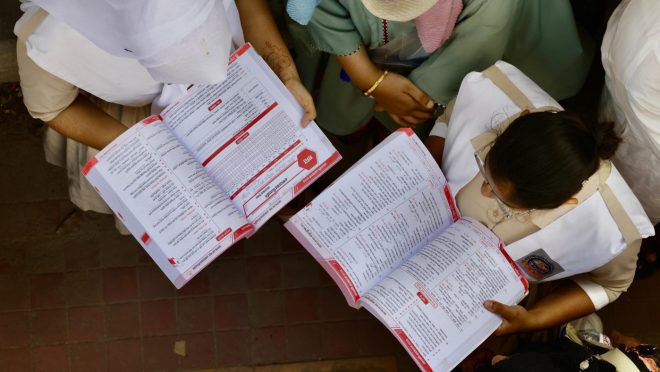
SSC pass rate has fallen to a 19-year low, prompting questions over what drove the sharp decline. Education stakeholders point to a mix of factors – including successive curriculum and assessment changes, learning losses from Covid-19, and weaknesses in classroom teaching – while others say stricter and more transparent examinations may also have contributed to the lower rate.
The average pass rate across the 11 education boards in this year’s SSC and equivalent examinations was 62.25%, the lowest in 19 years since the 57.37% recorded in 2007. The pass rate stood at 88.29% in 2016, meaning it has fallen by 26.04 percentage points over the past decade.
Amid successive changes to the curriculum and assessment system, this year’s SSC candidates had to sit for conventional written examinations. The students experienced a new curriculum and a different assessment system in Class 9, only to later return to a written-exam-based system. Education stakeholders believe some students struggled to adapt to the conventional examination format, with several factors contributing to this year’s results.

Infograph: TBS
For students who studied under the new curriculum, this year’s SSC examination was, in many ways, a new experience. An assessment-based education system was introduced at the secondary level in 2022, with students evaluated largely through practical and competency-based learning rather than conventional examinations. The batch also did not sit for the Primary Education Completion (PEC) examination in Class 5 because of the Covid-19 pandemic.
In 2026, however, changes following the change in government brought them back to a written-examination-focused system at the end of secondary education. Teachers have raised concerns about the challenge of shifting from practical and continuous assessment to preparation for conventional written examinations.
Urmi Islam Ema, a teacher at Engineering University School and College, said, “Because they had never sat for a board examination before and were accustomed to a practical-based curriculum, some students may have struggled to adapt to the new written examination system.”
Majeda Mujib, a teacher at Tejgaon Government Girls’ High School, said the pandemic had affected the batch in addition to the curriculum changes.
“At the same time, teachers were not adequately prepared for the new curriculum,” she said.
As a result, she believes students found it difficult to quickly adjust when the system returned to written and creative examinations.
Meanwhile, Education Minister ANM Ehsanul Hoque Milon yesterday said, “We are working with a fragile education system. Over the past 20 years, we have fallen further behind. The shortage of teachers is alarming.”
Learning loss during pandemic, teaching quality in question
Education experts say curriculum and examination-system changes should not be considered the sole reasons for the poor results. They say classroom teaching quality, teacher competency, learning gaps among students and the long-term impact of Covid-19 all need to be considered when analysing the results.
Professor Dr SM Hafizur Rahman of Dhaka University’s Institute of Education and Research said multiple factors may have contributed to the decline.
“The condition of teaching in schools and teachers’ skills also need to be analysed,” he said. “Our research shows that the quality of classroom teaching is not satisfactory. In terms of teacher competency, we often find only around 60% of teachers to be adequately qualified.”
Rasheda K Chowdhury, executive director of Campaign for Popular Education and a former adviser to the caretaker government, said the results should prompt serious self-reflection.
“Teaching and learning in classrooms are closely linked to results. The quality of education has visibly deteriorated after Covid,” she said, adding that disparities between urban and rural education are also reflected in the results.
Stricter assessment
Another factor being discussed is the increased transparency and stricter assessment of this year’s examinations. Some stakeholders believe the lower pass rate may partly reflect fewer irregularities and less lenient assessment compared with previous years.
Syed Akhtaruzzaman, chairman of the Dhaka Secondary and Higher Secondary Education Board, said the examinations were conducted transparently this year.
“Those who studied did not face difficulties. Under the special supervision of the education minister, students received their results through a properly conducted examination process,” he said.
A total of 18,29,485 students sat for the SSC and equivalent examinations under the 11 education boards this year. Of them, 11,38,877 passed.
Recommendations
Educationist Manzoor Ahmed said Bangladesh needs regular research into student assessment and the education system, but such research is not conducted consistently.
“Research is necessary when it comes to assessing students, but this type of research is not conducted regularly in Bangladesh. We should not focus only on the decline in the pass rate without reviewing examination management, monitoring and differences in students’ access to learning opportunities,” he said.
Manzoor said regular research into teaching and assessment methods would help identify problems and enable policymakers to work on appropriate solutions.
Teacher Urmi Rahman Ema stressed the need for stability in the education system.
“Whenever the system changes, it becomes difficult for everyone involved in education to adapt to it. There needs to be stability,” she said.
She said the education system is now returning to the conventional approach, with greater emphasis on textbook-based learning and regular classroom study.
“Students will now be engaged in regular studies. They will have to become fully classroom-oriented,” she said.