The imaginary library every student needs
Imagine there is a library at your own university where you are only allowed to take in a book and nothing else; sometimes you sit peacefully for a long time, or sleep until you feel awake again.
The imaginary library every student needs
Imagine there is a library at your own university where you are only allowed to take in a book and nothing else; sometimes you sit peacefully for a long time, or sleep until you feel awake again.
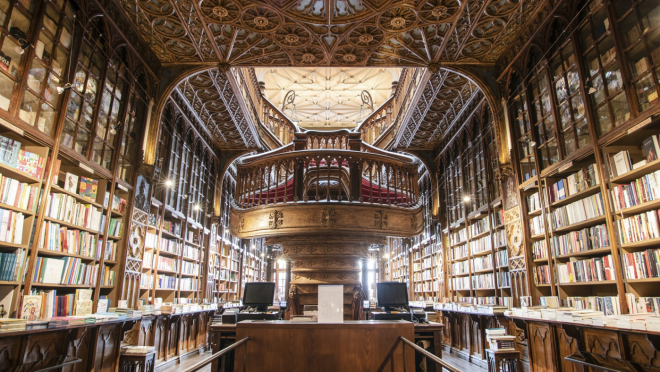
This is such a library I often wish had existed. Perhaps it exists beyond the geography of our cities and universities. Such ideas arise when I sit at my own university library. Now, you may ask, what is the difference that the imaginary one makes?
Well, there is. The library in my university is more about chaos and gossip than a place where you can sit, read books, or escape the frenzied world. It is more about a place to use phones, scroll social media tirelessly, and chat with friends. So, imagining a perfect library has become a regular way to ignore the library’s internal noise and, to some extent, the harshness of the outside world. What might an ideal but imaginary library look like?
What if you find a corner at the library where your university cannot reach you? This would be the best possible way to survive university life. It would be a sanctuary for the people coming here, and words like competition, CGPA, pressure, and expectations would be irrelevant or non-existent within the sphere. This place would be reserved only for those willing to enjoy solitude, without a phone or doomscrolling.
The silence of the library would create a different relationship with time: unlike the hurried movements, the deadlines, examinations, and responsibilities, it would allow one to pause for some time. The library would offer escape by not taking them somewhere else, but within a space of the university where the students would be allowed to just temporarily disappear from the burden of campus life and get back to themselves. There would be a clock to let the students hear the ticking in silence and realise how important it is to live in the present moment.
Perhaps the most beautifully crafted non-existent library would stay open late at night because some students are not ready to return home. It would have a quiet zone just to sit silently, even without a book. Maybe there would be a comfortable chair beside the window through which one can observe the vastness of the sky or the beauty of an old green tree.
What would happen if the place had a poetry corner where one could write without the fear of judgement, or a corner where the students could leave anonymous notes for strangers? And right after the corner, there would be a bookshelf dedicated only to the “bad days” – for when you have lost someone, feel heavy, fear the future, grow tired of being ambitious, fall out of love, or simply need to believe that life might become beautiful again. This library would understand that its people do not only come for books or learning; sometimes, they come just to survive the day.
The imaginary library would be a place within its walls where there would be countless secret lives. The engineering student who secretly reads poetry, the student who comes every day but never opens a book, the one who sits in the same chair every day, and the ones who read political theory because they are angry at the world, or read novels because reality has become unbearable. The library would be a spectator of the stories the students were carrying without saying them to the world. Maybe that would make it a beautiful place to stay and come back again. The library would remind them that there are countless thoughts, griefs, dreams, and voices around them, and they are not the ones carrying the weight of the world.
What other qualities would this library have? It would do something rare that the present world doesn’t allow: it would give the students freedom to be useless for a moment. Students are constantly encouraged to do more and turn everything into a heartwarming success story, but this library would ask for not a single success story in return. Probably, it would only ask them to come, sit, read a book, do nothing, or find a line that would help them become a different person than yesterday. This would definitely be the quiet magic of an imaginary library.
The library I often imagine does not exist yet; maybe it never will, not in the exact form I have imagined – the room, the corner, the lazy afternoons, or the people. And if one day such a library does exist, its greatest achievement will not be the number of books, but the number of students who pass through the doors.