How AI is changing the way we dress and shop
How AI is changing the way we dress and shop
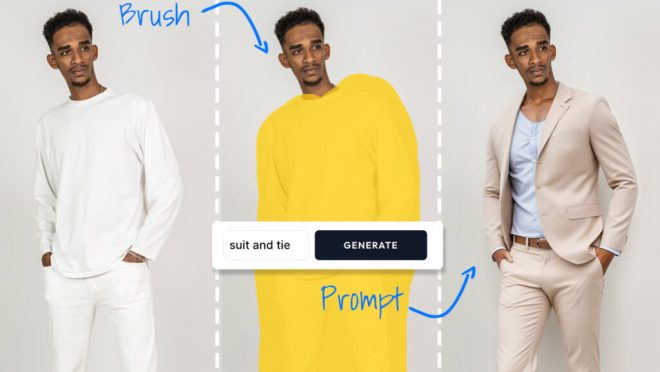
AI is increasingly becoming a useful tool for everyday fashion decisions, from suggesting outfit combinations to helping people make more considered shopping choices.
For some, it can offer a second opinion when deciding what to wear, particularly when a wardrobe feels full but putting together an outfit still seems difficult.
Using AI to style clothes already in your wardrobe
One of the simplest ways to use AI is to describe an item of clothing and ask for different ways to style it.
The same pair of trousers, for example, can be styled differently for work, dinner, a casual outing or a holiday. AI can suggest several combinations, giving users options rather than a single “perfect” outfit.
Some suggestions may not work, but they can encourage people to look at familiar clothes differently.
AI can also offer fashion inspiration
Social media platforms remain useful sources of fashion inspiration, but AI can be helpful when someone has a specific look in mind.
Users can describe the style they want — polished but not too formal, feminine without being overly dressy, or comfortable without looking casual — and refine the suggestions based on what works for them.
That back-and-forth can make it easier to turn a vague idea into a workable outfit.
Uploading an outfit for a second opinion
AI can also be used to analyse a photograph of an outfit and suggest possible changes.
It might point to proportions, footwear or accessories that could be adjusted. Such suggestions do not necessarily have to be followed, but they can highlight possibilities that may otherwise be overlooked.
Sometimes, the solution may simply be changing an accessory or swapping shoes rather than buying something new.
AI could make shopping more considered
AI can also encourage people to think twice before buying clothes and accessories.
Instead of simply asking whether they can afford an item, shoppers can consider how many existing outfits they could create with it. They can also test whether a potential purchase would work with clothes already in their wardrobe.
This does not mean letting AI make purchasing decisions. Rather, it can help turn an impulse purchase into a more considered one.
Sometimes, the best option is not to buy anything
Constant exposure to trends can make it easy to believe that a wardrobe needs another new item.
AI can instead help users explore different ways to wear what they already own. A single dress or shirt can be styled in several ways, while different shoes or accessories can change the overall look.
Doing this may reveal that a planned purchase is unnecessary. At other times, repeated styling suggestions may point to a genuine gap in the wardrobe, helping identify what would actually be useful to buy.
Could AI make fashion shopping less wasteful?
The fashion industry is already using AI for product recommendations, visual search, demand forecasting and personalisation.
For consumers, one potential benefit is a shopping experience that considers not only what they want to buy, but also what they already own and how they dress.
Instead of recommending another dress, for example, an AI stylist might identify a pair of shoes, a belt or a jacket that could work with several existing outfits.
That could shift the focus from continually adding to a wardrobe towards making better use of the clothes already owned.
AI should not replace personal style
Despite its usefulness, AI has limits when it comes to personal taste.
An algorithm can suggest colour combinations, accessories or footwear, but it cannot determine why someone feels most comfortable or confident in a particular outfit.
Personal style is also not always about following conventional fashion rules. People may deliberately choose an outfit or combination simply because they like it.
AI works best as a styling tool that offers options and challenges first instincts, while leaving the final decision to the person wearing the clothes.
So, has AI changed the way people dress?
For some users, the biggest change is not a completely different wardrobe, but a greater willingness to experiment with clothes they already own.
AI can provide inspiration when someone is stuck, offer a second opinion before a purchase and help answer a more useful question: “Do I really need this, or do I simply need to style what I already have differently?”
The future of AI in fashion may therefore be less about telling people what to buy and more about helping them understand what they need less of, what they can wear more often and how to make their existing wardrobes work harder.