The Prestige at 20: Is obsession really such a curse?
The Prestige at 20: Is obsession really such a curse?
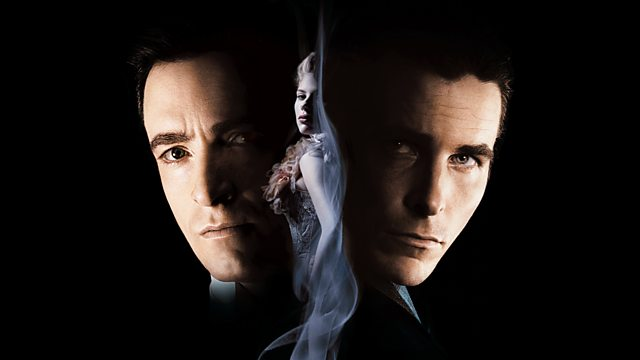
Twenty years later, Christopher Nolan’s film makes me question why humans admire people who sacrifice everything to win.
What if the people we call exceptionally ambitious are sometimes just exceptionally bad at knowing when to stop? Whenever I think about The Prestige (2006), I find myself returning to a question that feels bigger than its mystery: at what point does wanting to be exceptional become a need to prove that someone else is not?
Robert Angier (Hugh Jackman) and Alfred Borden (Christian Bale) begin as magicians devoted to their craft. But their rivalry slowly changes what the craft means to them. Performing an extraordinary trick is no longer enough. They need to understand, surpass and ultimately defeat each other.
What unsettles me is that neither man seems to recognise when the original purpose has disappeared. They keep going, perhaps because stopping would force them to confront how much they have already sacrificed. I recognise a smaller version of that feeling in everyday life. I have seen how easily a goal can become tangled with comparison: how someone else’s achievement can make our own progress feel less significant, even when we were perfectly happy with it before. Suddenly, the question is no longer whether we are improving. It is whether we are improving faster than someone else.
And I think that is one of the most uncomfortable things The Prestige gets right. Obsession rarely introduces itself as something destructive. We celebrate the sleepless nights, the relentless pursuit and the refusal to accept defeat. But I sometimes wonder how often we confuse the ability to endure something with a good reason to keep enduring it.
Angier and Borden make that confusion catastrophic. Their love of magic becomes inseparable from their need to outdo each other. Neither can simply enjoy being good at something; each needs the other to know it, too. Even as viewers, we participate in the same fixation.
As The Prestige turns twenty on 17 October 2026, I find its most enduring idea less about the price of greatness than the danger of comparison. There is a difference between wanting to become better and needing to prove that we are better than someone else. Angier and Borden spend their lives trying to prove which of them is superior. Their tragedy is that neither can imagine a life in which the answer no longer matters.
Perhaps obsession is the real villain of The Prestige because it convinces us that walking away means losing, even when continuing is costing us everything.