Dark cinema and the human mind: What my little experiment revealed
Dark cinema and the human mind: What my little experiment revealed
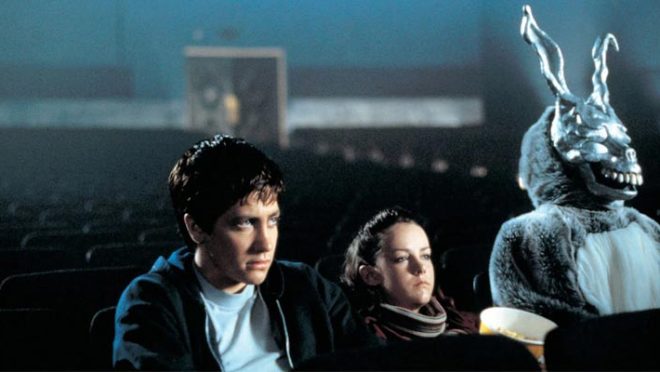
In one of my recent research projects, I explored the notion that dark cinema (and literature, in the paper) adversely affects the behaviour and emotions of young adults. Being a fan of psychological thrillers and murder mysteries, I had always wondered whether the traditional perception of such content was true.
Firstly, one of the difficulties I encountered during my project was defining the term dark. As an umbrella term, it includes almost all negative emotions portrayed in a film, such as horror, violence, gore and themes of death. I define it as anything that evokes a negative emotion within a person.
To develop a deeper understanding of the process, I created a questionnaire and distributed it among a group of 72 young adults (my friends, their friends, and so on). The questions covered the entire process of watching a dark film, from general viewing preferences to the eventual effects people felt the film had on them.
Let’s consider the entire sequence of watching a film and dissect it. You start by picking a film. According to the survey, almost 80% of participants preferred darker themes to some extent, with 38% specifically choosing the genre as their preferred type of content.
Now, as you watch the film and the serial killer commits yet another murder, you might ask yourself why you are watching all this misery. Well, the answer lies in the concept of catharsis. Catharsis was an idea introduced by Aristotle in his book Poetics, where he discussed the emotional relief people may experience by witnessing traumatic events in controlled environments. The shock, anxiety or general adrenaline rush one experiences during a dark film relates directly to this idea, where watching a tragic scene can create a sense of emotional relief. The fundamental idea is that the pent-up negativity from our daily lives can be projected onto a work of fiction, which, in turn, can help us release it.
The data does not necessarily support this idea entirely, but statistics do not always tell the whole story. Almost half the participants said they were unaware of experiencing any such effect. However, the fact that many of them described shock and anxiety as key factors behind their interest could indicate the potential catharsis they experience. When you experience negative emotions but eventually feel positive, it is quite possible that catharsis is at play.
Now comes the post-film analysis, primarily concerning the effects the film has had on the viewer. One might expect changes in sensitivity, empathy or perhaps a sense of fascination. How long do these emotional changes last? Could violent urges also be a by-product of these changes? As always, the answer is not entirely black and white.
When the respondents were asked about potential changes in empathy, the results surprised me. Rather than becoming insensitive, they reported increased levels of empathy, saying they could connect emotionally with the victims of violence depicted in dark content. The emotions experienced after watching a film also lingered for a considerable time, lasting from hours to days for some participants. However, none of these emotional impacts resulted in violent urges, with around 69.8% of participants reporting that they never experienced aggressive thoughts.
Luckily, I had anticipated such a scenario and included a very important question in the survey. I asked the participants whether they could easily distinguish fiction from reality. Close to 49% said they found it very easy or easy, while the others said it depended on the situation, which is understandable, as complex plots can sometimes blur the lines. One possible interpretation is that people who recognise what they see on screen as fiction are less likely to try to replicate it in real life. While exceptions do exist, the general finding from the survey was that short-term exposure did not directly cause changes in behaviour or emotions.
Despite this, most respondents believed that prolonged exposure could have possible long-term effects. This contradicts their other findings, as these same people reported no short-term effects. How could there be no effect in the short term but a noticeable one in the long term? Zero plus zero cannot add up to two. But perhaps it does in the human mind. I wonder who is right: the data or the people behind it?
Sadly, the logistical limitations of the experiment meant that I could only observe reported behaviour and perceptions, rather than actual changes taking place inside the brain. For that, I would need an MRI machine and perhaps a degree in science, because I doubt I could decipher whatever changes the MRI might reveal. Moreover, the responses were based on individuals’ own beliefs rather than their actual behaviour observed over a period of time.
The sampling method was not ideal either, as the participants were limited to my friends and their acquaintances. This turned the sampling process into a question of just how diverse Siyam’s friendships really are.
All in all, the experiment was a fun project that revealed a lot about my friends, though considerably less about the genuine effects of dark cinema.