Energy drinks, stimulant supplements linked to serious heart problems in young adults
Energy drinks, stimulant supplements linked to serious heart problems in young adults
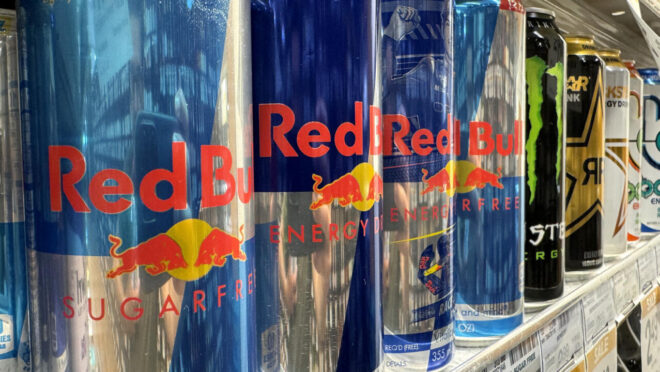
Energy drinks and stimulant-containing supplements have been linked to reports of serious heart problems, including cardiac arrest and heart attacks, particularly among young adults, according to new research presented by the American Heart Association (AHA), reports Fox News.
The retrospective observational analysis examined more than 28,000 reports submitted to the US Food and Drug Administration (FDA) involving cardiovascular events associated with different products.
Cardiac arrest appeared about 11 times more frequently in reports involving caffeine- and stimulant-containing products than in those involving products without such ingredients. Heart attacks were reported around 4.5 times as frequently, while abnormal heart rhythms and palpitations appeared about four times as often, the analysis found.
Nearly 45% of reported cardiovascular events associated with stimulant products involved adults aged 18 to 34.
The stimulants examined included caffeine, methylxanthines, guarana, yerba mate, synephrine and yohimbine. They were found in products ranging from energy drinks and soft drinks to protein bars, meal replacement shakes and supplements.
Dr Pamela Benavidez, the study’s senior author and a cardiothoracic anaesthesiologist at Fairfield Medical Center in Ohio, warned that some energy drinks contain up to three times more caffeine per fluid ounce than brewed coffee, while certain pre-workout supplements contain more than 12 times as much.
She said combinations of caffeine with other stimulants could have effects that are not yet fully understood.
The researchers advised young people to monitor their stimulant consumption and seek medical attention if they experience symptoms such as chest pain, palpitations, dizziness or fainting.
However, the findings are preliminary and have not yet been published as a full peer-reviewed study. As the research was observational, it establishes an association rather than proving that the products caused the reported heart problems.
The researchers also acknowledged that voluntary FDA reports may be incomplete and do not indicate how many people consumed the products without experiencing symptoms. Other factors, including strenuous exercise, alcohol or drug use and undiagnosed heart conditions, may also have contributed.
Responding to the findings, the American Beverage Association said energy drinks were considered safe by food safety regulators worldwide when consumed moderately. It also cited the recommended daily caffeine limit of 400mg for healthy adults.