Pet-friendly interiors: A home for you and your pets
Pet-friendly interiors: A home for you and your pets
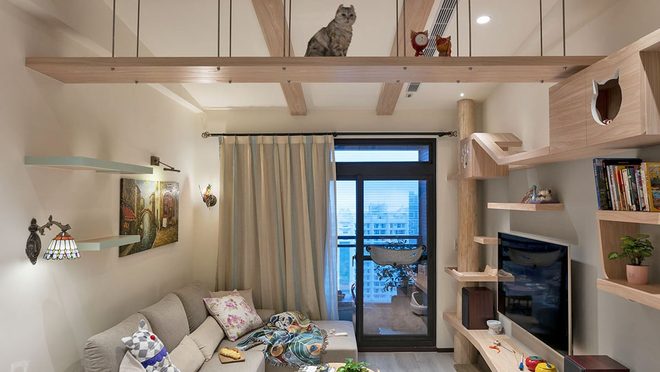
From pet-friendly furniture to practical design choices, creating a home that is comfortable for both people and their pets does not have to mean compromising on style.
Imagine coming home after a long day to find your cat curled up on your favourite sofa.
There is fur on the cushions, a scratching post beside the television and toys scattered across the living room. In a corner sits a pet bed that does not quite match anything else.
For pet owners, these scenes are part of everyday life.
But decorating around pets can feel like a compromise. The beautiful sofa you have been eyeing might not survive your cat’s claws, while a perfectly arranged living room may leave your dog little space to move.
In Dhaka, where many apartments are already compact, finding room for both people and pets is harder still.
Yet a pet-friendly home does not need more space, extra furniture or a different interior style.
Sometimes, it simply needs better planning.
The other residents to consider
Interior design usually starts with people. Where should the sofa go? How much storage does the bedroom need? Will the dining table crowd the room?
But households with cats or dogs have another set of needs.
According to IAr. Mohammad Shariful Islam, Principal Interior Architect at Design Source Architecture & Interior (DSAI) and Director of the Executive Committee of the Interior Designers Association of Bangladesh (IDAB), proper space planning, customised furniture, multifunctional design and suitable materials are the key elements of pet-friendly interiors.
A cat may prefer to climb onto elevated surfaces, while a dog needs comfortable, accessible areas for resting and moving around. These differences shape how furniture is arranged and how much space is left.
The challenge is to accommodate pets without making the home feel designed entirely around them.
When the floor is already full
Space is already tight in many Dhaka apartments.
A compact living room may hold a sofa, television unit, coffee table and dining area. Add a pet bed, feeding station and scratching post, and it quickly feels crowded.
In smaller homes, effective space planning and multifunctional furniture make a considerable difference. Instead of buying separate furniture for every pet-related need, homeowners can build these features into pieces they already need.
For cats, Shariful suggests using vertical surfaces.
Wall-mounted shelves, climbing steps and small platforms let cats explore elevated areas without taking up floor space.
A series of shelves along an unused wall, for instance, could create a climbing area while keeping the living room open.
The idea is to give pets room to move without sacrificing the space people need for everyday activities.

Wall-mounted shelves, climbing steps and small platforms allow cats to explore elevated areas without occupying much floor space. Photo: Houzz
When the floor is already full
Space is already tight in many Dhaka apartments.
A compact living room may hold a sofa, television unit, coffee table and dining area. Add a pet bed, feeding station and scratching post, and it quickly feels crowded.
In smaller homes, effective space planning and multifunctional furniture make a considerable difference. Instead of buying separate furniture for every pet-related need, homeowners can build these features into pieces they already need.
For cats, Shariful suggests using vertical surfaces.
Wall-mounted shelves, climbing steps and small platforms let cats explore elevated areas without taking up floor space.
A series of shelves along an unused wall, for instance, could create a climbing area while keeping the living room open.
The idea is to give pets room to move without sacrificing the space people need for everyday activities.
A bed beneath the television
A television console usually holds electronics, decorative objects and storage.
But what if the empty space underneath could also be a comfortable sleeping area for a pet?
Shariful suggests placing pet beds beneath tables, television units or consoles, so they become part of the existing arrangement. Storage for pet supplies can similarly be built alongside bedroom cabinets, keeping food, toys and accessories organised.
For cats, climbing shelves and small platforms can be attached to existing furniture, while a designated feeding station keeps food and water bowls in one place.
These customised solutions make pet accessories part of the interior rather than separate additions.
However, customised furniture requires more than an empty corner.
According to Shariful, adequate ventilation, easy-to-clean surfaces, smooth edges and structural strength are essential. Elevated platforms must support the animal’s weight, and sleeping compartments must be easy to enter and exit.
He also recommends consulting an interior designer before making significant modifications. A professional can inspect the space, assess feasibility and recommend suitable materials and construction methods.
After all, a beautifully designed pet corner serves little purpose if the animal cannot use it comfortably.

A built-in dog bed and elevated cat walkway can make the television wall a multifunctional space. Photo: Courtesy
The sofa versus the claws
A home with pets suffers a different kind of wear and tear.
Cats may scratch upholstery, dogs can track dirt across the floor, and both leave fur on sofas and cushions.
This makes material selection particularly important.
For flooring, good-quality matte-finished porcelain tiles are a practical option. Anti-slip flooring is also worth considering, particularly for animals that may struggle for footing on smooth surfaces. Excessively glossy or slippery tiles are best avoided.
Sofa upholstery needs similar attention.
Shariful recommends tightly woven microfibre and performance fabrics. Removable, washable covers make maintenance easier, particularly when pets regularly sit or sleep on the furniture. Loosely woven fabrics may be less suitable in homes with cats, as claws can catch loose threads and damage the upholstery.
For cabinets and other furniture, good-quality wood or properly laminated boards with durable, easy-to-clean finishes are practical choices.
The objective is not to eliminate every sign of wear but to choose materials that withstand regular use. A practical sofa can still complement the room’s colour palette, just as a durable cabinet can still have an attractive finish.
Living with fur, bowls and toys
For pet owners, keeping a home tidy can feel never-ending.
There is fur to remove from the sofa, bowls to clean and toys that somehow find their way into every corner.
Interior design cannot eliminate these chores, but thoughtful choices can make them easier.
A designated feeding station gives bowls a permanent place, and integrated storage keeps accessories organised. Washable covers make cleaning more convenient than upholstery that needs complicated care.
A pet bed built into a cabinet, for example, should stay accessible for regular cleaning rather than become a hard-to-reach compartment. Likewise, wipe-clean, hard-wearing finishes are more practical than delicate materials that demand constant attention.
Keeping unnecessary furniture to a minimum also helps. An uncluttered arrangement leaves pets more room to move and is easier to maintain.
Beautiful, but can they use it?
A pet-friendly home should not only look attractive. It must also be safe for the animals living in it.
This matters most with customised furniture and elevated climbing structures.
Shariful stresses the importance of avoiding sharp edges and ensuring furniture is strong enough to support a pet’s weight. Enclosed sleeping spaces need adequate ventilation, and entrances and exits should be comfortable and accessible.
Flooring deserves attention too. A highly polished surface may look elegant, but some pets find it difficult to walk across.
These details may seem small during the design process, yet they affect how safely and comfortably an animal uses the space every day.
More than a pet corner
Designing a pet-friendly home does not mean giving up on beautiful interiors. Nor does it mean filling every corner with pet beds, scratching posts and accessories.
Sometimes, the most effective solutions are surprisingly subtle. A sleeping space beneath a television console, a few climbing shelves along an unused wall or a washable sofa cover may be enough to make everyday life easier.
For smaller Dhaka apartments, these choices are especially valuable.
The important thing is to consider pets’ needs alongside those of the people sharing the home. With thoughtful space planning, multifunctional furniture and suitable materials, an interior can remain organised, practical and visually appealing.
Because a home should accommodate all its residents. Including the ones with four legs.