South Korea education minister resigns after AI-assisted exam cheating scandal
South Korea education minister resigns after AI-assisted exam cheating scandal
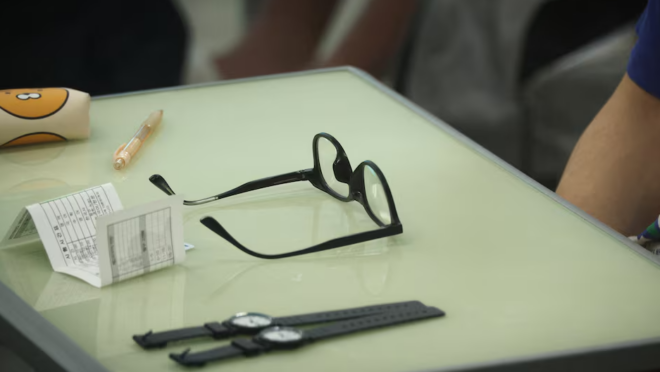
South Korea’s Education Minister Choi Kyo-jin has resigned following public criticism over the government’s preparedness to prevent cheating in the country’s university entrance examination after a separate exam scandal involving artificial intelligence (AI).
President Lee Jae Myung accepted the resignation of the 72-year-old minister after the administration faced criticism over its handling of the issue.
In a statement published on X, Choi said: “The exam concluded without any major incidents… However, as the minister in charge, I do not believe I am immune from public criticism that we failed to prepare adequately in advance.”
He added: “Now that the exam is over, I take full responsibility and hereby offer my resignation.”
The controversy followed the confession of the top scorer in a national tax accountant examination, who admitted to using a miniature camera and a smartphone to secure a near-perfect score.
The incident raised concerns about technology-assisted cheating just four days before the Suneung, South Korea’s high-stakes, nine-hour annual university entrance examination.
The examination is widely regarded as a major milestone in the country, serving as a gateway to leading universities, career opportunities and social standing.
Public criticism of Choi intensified after a parliamentary hearing on the Monday before the examination. Asked whether he was confident the ministry could catch potential cheaters on exam day, he replied: “Due to my age, I am not confident I could.”
The remark drew public backlash. Choi subsequently withdrew from public press briefings, leaving a vice-minister to announce measures to prevent cheating.
Authorities introduced emergency countermeasures, including blocking public Wi-Fi around examination centres and placing stickers over clothing buttons.
Despite the measures, officials detected 111 cases of misconduct involving electronic devices on examination day.
Nearly half of the violations were identified after the government issued three emergency alerts intended to detect active smartphones that candidates had failed to hand in.