Former Vice Chancellor Dr Carmen Z Lamagna leads AIUB launch of advanced AI Research Lab
Former Vice Chancellor Dr Carmen Z Lamagna leads AIUB launch of advanced AI Research Lab
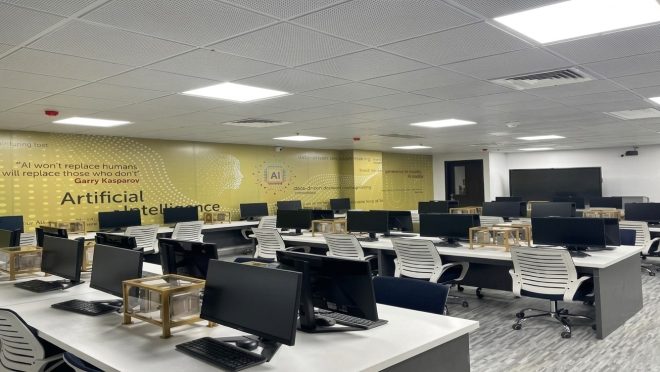
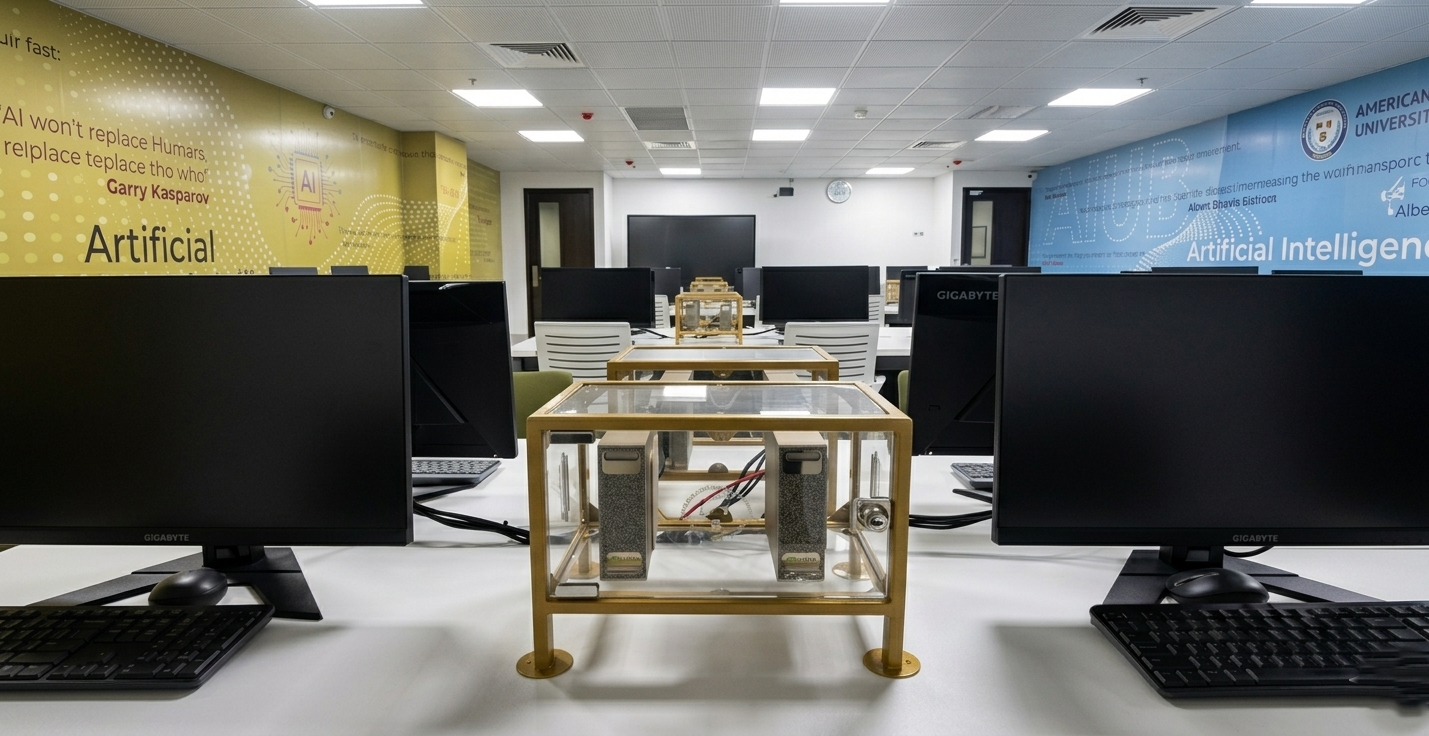
American International University-Bangladesh (AIUB) has established a cutting-edge AI Research Lab, marking a transformative step in the country’s higher education and technology landscape.
The initiative, highlighted by Dr Carmen Z Lamagna, Former Vice Chancellor and Member of the Board of Trustees of AIUB, and Prof Dr Dip Nandi, Associate Dean of the Faculty of Science and Technology, introduces high-performance computing infrastructure designed to advance artificial intelligence research and education in Bangladesh.
The lab is equipped with NVIDIA DGX Spark systems, described as compact supercomputers capable of delivering up to 1 petaflop of AI performance. Powered by fifth-generation Tensor Cores based on NVIDIA Blackwell architecture and featuring 128GB of unified memory, the systems enable large-scale AI model inference of up to 200 billion parameters.
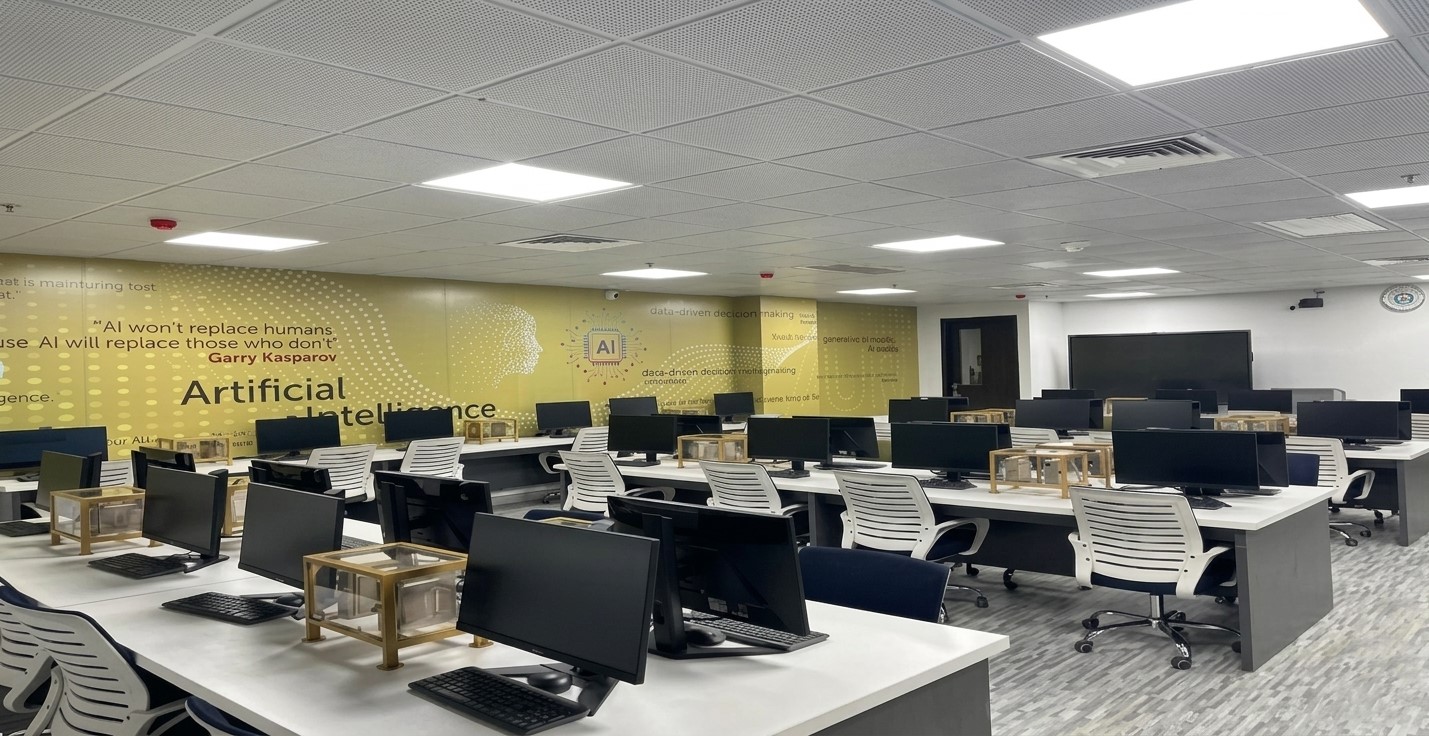
According to AIUB, the infrastructure significantly lowers the barrier to advanced AI research, which previously required large-scale server clusters, thereby allowing students and researchers to access world-class computing capabilities within the university environment.
The lab introduces a new approach to AI education, enabling hands-on experience in system design, model development and multi-modal content generation, including text, image and video. It also supports experimentation with diffusion models and fine-tuning of large language models.
A key focus of the initiative is the development of Sovereign AI tailored to Bengali language and cultural contexts, aiming to ensure that AI systems reflect local realities rather than relying solely on foreign-trained datasets.
The facility will also advance research in Agentic AI, enabling systems capable of independent reasoning, planning and task execution. Using the DGX Spark architecture, researchers will work on autonomous agents designed for applications such as smart city management and clinical report automation, while also exploring ethical decision-making frameworks for AI systems.
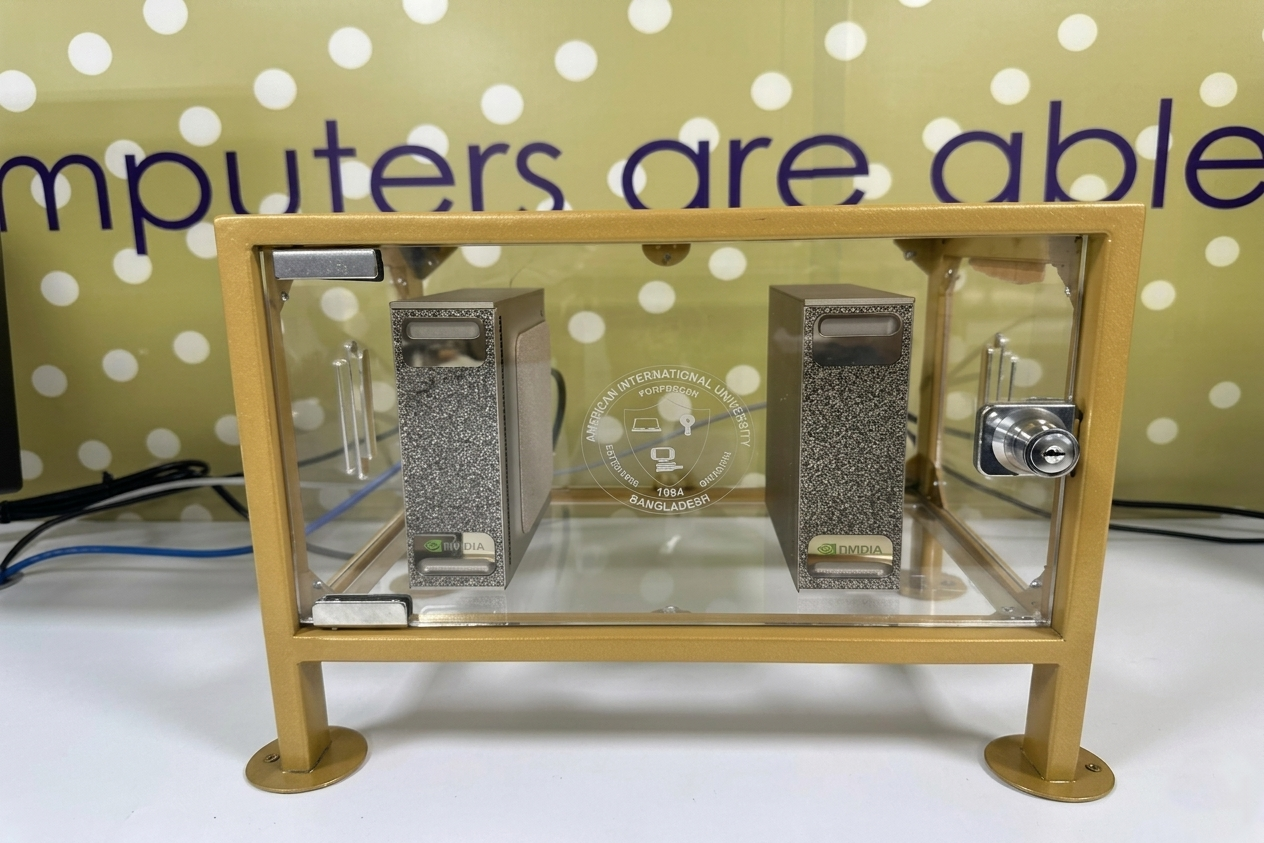
The lab’s localised infrastructure is expected to offer additional advantages in data security and cost efficiency by reducing dependence on external cloud services. It will also support rapid testing of high-impact research projects while maintaining strict data privacy standards.
Planned applications span multiple sectors. In healthcare, researchers aim to develop deep learning systems for disease detection, including tuberculosis, throat cancer and breast cancer, using locally sourced clinical data to improve accuracy and relevance. The system is also expected to support real-time diagnostic assistance for remote healthcare facilities.
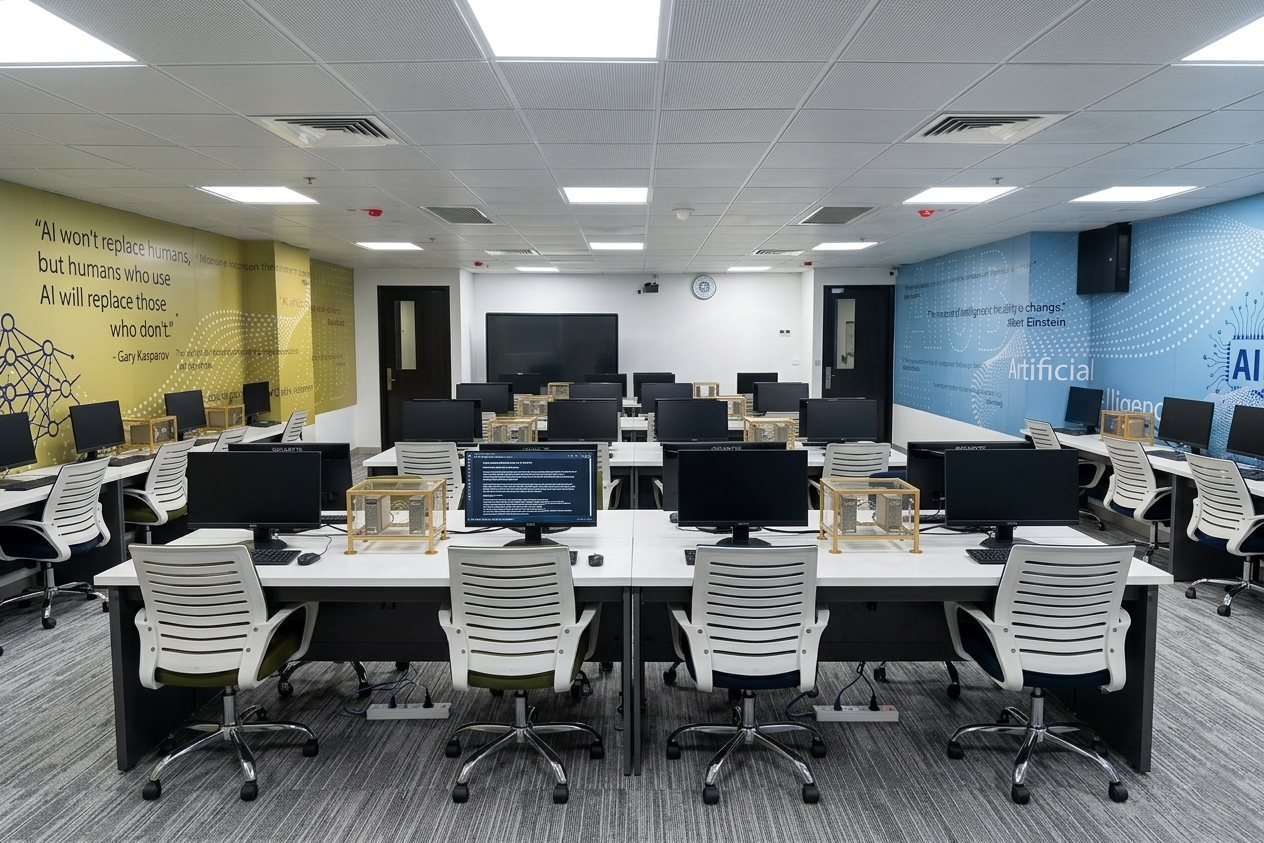
In agriculture, AIUB researchers are developing Smart Extension Agents capable of analysing climate data, soil conditions and historical yield patterns to provide irrigation and fertiliser recommendations. Computer vision tools may also allow farmers to detect pests and crop diseases through smartphone images.
In the garment and textile sector, Generative AI is expected to support automated design processes, while Agentic AI systems optimise supply chains. Computer vision models will be used to detect fabric defects at high speed, reducing waste and improving production efficiency in a key export industry.
The initiative also explores solutions for urban and infrastructure challenges, including traffic management in Dhaka and optimisation of power distribution systems. Additionally, personalised AI-driven learning platforms are being developed to support Bengali language education through adaptive learning pathways.
AIUB stated that the AI Supercomputing Research Hub represents more than a technological upgrade, describing it as a long-term investment in building a national AI talent pipeline. The university emphasised its goal of developing locally trained AI systems rooted in both technological expertise and an understanding of Bangladesh’s social and developmental needs.