Denmark to allow teachers to use 'physical force' against disruptive students
Denmark to allow teachers to use 'physical force' against disruptive students
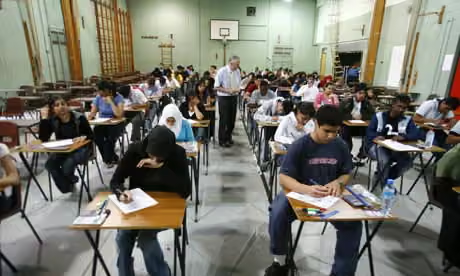
Denmark is set to allow teachers to use physical restraint to remove disruptive pupils from classrooms from August next year, following growing concerns over violence in schools and difficulties in managing unruly behaviour.
According to The Telegraph, under the proposed reform introduced by the centre-Left government, teachers would be permitted to hold pupils in place or move them to another room against their will when necessary. The measure would expand existing rules, which allow physical force only when a pupil poses a threat to themselves, others or school property.
Drafted by the education ministry, the legislation follows longstanding calls from Denmark’s national teachers’ union for clearer guidelines on handling disruptive pupils.
The bill stipulates that physical intervention must be used only in exceptional circumstances and must be proportionate to the situation. Parents and the relevant municipal council must also be informed whenever force is used.
Education Minister Magnus Heunicke said teachers needed clear guidance when classroom situations escalated.
“Teachers must not be left in doubt about what they are allowed to do when a situation escalates,” he said.
“And no teacher should fear being fired for stepping in when necessary in a violent situation.”
Denmark effectively banned the use of physical force as a disciplinary measure in schools nearly 60 years ago, outlawing corporal punishment in 1967.
The proposed changes come amid growing concerns about violence among schoolchildren, particularly in the early years of education. Teachers have said they fear professional consequences if they physically intervene in escalating situations.
A survey published by the education ministry on 1 October found that physical violence between pupils had been reported at least once in 55% of classes during 2025. In 36% of those classes, incidents occurred at least monthly.
The problem was most prevalent among younger pupils. Physical violence was reported in 75% of classes in grades zero to three, equivalent to Reception to Year 3 in the UK. The figure fell to 59% in grades four to six and 27% in grades seven to 10.
The survey also found that incidents were often concentrated among a small number of pupils. In 60% of classes reporting violence, teachers said just one or two children were involved.
Researchers found no general association between pupils’ ethnicity and higher levels of violence or aggressive behaviour.
Gordon Orskov Madsen, president of the teachers’ union, said many teachers were reluctant to intervene physically because of concerns about the consequences.
“Over the past year, one in three teachers refrained from using physical contact to restore calm in the classroom, out of fear of negative repercussions,” he said.
The legislation was initially drafted last autumn by former education minister Mattias Tesfaye.
Tesfaye had argued that restoring discipline and authority in schools should be a priority. He also criticised parents whose children were poorly raised, using the Danish phrase “pissedarligt opdragede”.
However, the proposed reform has drawn opposition from education experts and children’s rights organisations. More than 500 experts and non-governmental organisations previously signed an opinion article protesting against the changes.
Rasmus Kjeldahl, director of the National Children’s Rights Association, warned that allowing teachers to use physical restraint could undermine relationships between pupils and educators.
He said he feared the “bond of trust between students and their teachers will be broken if teachers act like police officers”.
The proposed Danish legislation resembles existing rules in England, where teachers may use reasonable physical force to prevent disruption or protect people and property, but cannot use it as a punishment.