New York City to ban AI use in public schools till 8th grade
New York City to ban AI use in public schools till 8th grade
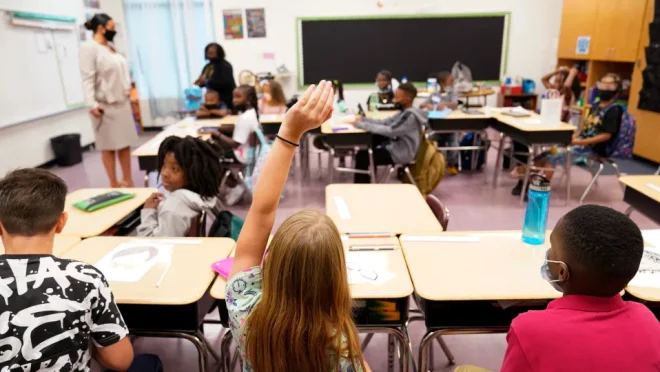
New York City is set to prohibit students in public schools from using artificial intelligence until they reach ninth grade, typically around the age of 14. The new restrictions are expected to be announced on Wednesday and will come into effect next week.
The move is part of a major overhaul of technology policies across the US’s largest public school system, which serves around 900,000 students each year. Under the revised approach, pupils will also spend less time using laptops and tablets, with classroom use of the devices prohibited through the third grade, when children are generally aged nine or 10.
New York’s approach to technology in schools is closely followed across the US, making the changes potentially influential beyond the city.
The decision comes amid growing concerns from teachers and parents about the impact of AI-based educational tools on children. Critics have raised questions about their effects on mental health and cognitive development, particularly the risk of students relying on software rather than developing their own reasoning skills. Researchers have described this tendency as ‘cognitive surrender’. Environmental concerns surrounding the energy consumption of AI technology have also contributed to the debate.
Under the new rules, students will be permitted to use AI only once they enter high school, which begins in ninth grade in the US education system. Even then, its use will be restricted to certain purposes, including learning about artificial intelligence and how the technology works.
AI-powered ‘companion chatbots’ designed to provide psychological or emotional support will also be prohibited. Teachers, meanwhile, will be allowed to use AI for administrative and preparatory tasks, such as developing lesson plans and drafting messages. However, they will not be permitted to use AI to grade students’ assignments.
The city’s education department has also recommended limits on classroom screen time. Middle school students, covering sixth to eighth grade, should spend no more than 45 minutes on screens during class, while elementary school pupils should be limited to around 30 minutes.
One of the biggest challenges, however, will be enforcing restrictions on AI use. Students can access many AI tools outside school, making it difficult for educators to determine whether and how they have been used for schoolwork.
The latest policy follows an initial framework introduced in March that used a traffic-light system to categorise acceptable and restricted uses of AI. New York City had previously banned students from using ChatGPT in 2023, but that restriction was lifted less than a year later.
The 2026 framework allowed students to use AI for activities such as research, exploration and creative projects. However, the policy faced strong opposition from some parents and teachers, who argued that it gave students too much freedom to rely on AI.
According to The Guardian, schools chancellor Kamar Samuels acknowledged the criticism, saying education officials had ‘missed the mark’ in communicating the policy. He said his office would review feedback from parents and consider it when developing future rules.
The education department had already planned to follow the March framework with a more comprehensive guidebook incorporating feedback from families and educators.
As part of the process, the department will establish a taskforce consisting of teachers, elected officials, technology experts and union representatives. The group is expected to produce a report in April, which will form the basis of New York City’s longer-term policy on the use of AI in schools.