10 common foods to permanently cut off from your diet
Still having these in your daily diet? A Cambridge researcher removed 10 foods – like processed meats and sugary drinks – linked to DNA damage and cancer risk.
10 common foods to permanently cut off from your diet
Still having these in your daily diet? A Cambridge researcher removed 10 foods – like processed meats and sugary drinks – linked to DNA damage and cancer risk.
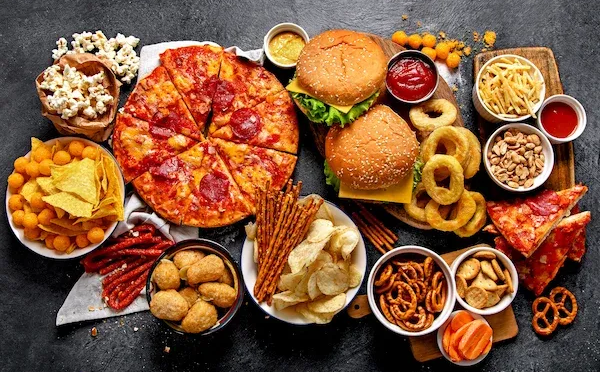
In an era where grocery aisles are dominated by convenience and clever marketing, a Cambridge University researcher is sounding the alarm on the hidden dangers lurking in daily diets. Ana Canadas, a PhD student at the University of Cambridge’s Department of Pathology, took to Instagram on June 20 to share a stark warning based on her extensive academic background.
“10 foods I personally cut back on after six years in cancer research,” Ana shared, initiating a conversation about the link between commercial food processing and oncological risks. Her list highlights not just obviously indulgent foods, but everyday staples that millions of people consume mindlessly.
According to Ana, her background in pathology drove her to permanently alter her grocery list. Below are the 10 items she has cut from her daily rotation, along with the scientific justifications behind her choices:
1. Processed meats
Bacon, hot dogs, sausages, and deli meats are common fixtures on breakfast and sandwich menus for many, making them incredibly easy to consume without a second thought. However, Ana shared that these are ‘classified by the World Health Organisation as carcinogenic to humans, especially linked with colorectal cancer’.
2. Sugary soft drinks
Often grabbed mechanically out of habit or to quench thirst, these beverages pose a severe metabolic threat. Ana warned, “Liquid sugar causes rapid blood glucose spikes, promotes obesity, and metabolic dysfunction.” She added a critical reminder: ‘excess body fat is one of the strongest modifiable risk factors for multiple cancers.’
3. Burnt or charred meats
Whether it is a charred backyard barbecue or heavily seared restaurant dishes, high-heat cooking creates invisible hazards. “Cooking meat at very high temperatures can generate heterocyclic amines (HCAs) and polycyclic aromatic hydrocarbons (PAHs),” Ana stated, identifying them as ‘compounds that can damage DNA in laboratory studies’.
4. Ultra-processed packaged snacks
Vending machines and pantries are frequently stocked with chips and crackers engineered to trigger overeating. Ana noted that many of these items ‘are loaded with refined carbohydrates, seed oils, emulsifiers, artificial additives, and excess calories’.
5. Deep-fried fast foods
The convenience of drive-thrus makes deep-fried items an effortless default meal. Ana points out that ‘high-temperature frying can produce acrylamide’, which she stressed is ‘a compound classified as a probable human carcinogen’.
6. Processed breakfast cereals
Marketed as a quick, morning routine saver, many boxes mask their true composition. Ana revealed, “Many contain surprisingly high amounts of added sugar and provide little satiety compared with minimally processed alternatives.”
7. Energy drinks
Frequently relied upon to combat afternoon fatigue or morning grogginess, these cans carry silent risks. Ana said they ‘often contain large amounts of sugar, caffeine and additives’, and are ‘also linked with poor cardiovascular health’.
8. Alcohol
Social norms and routine happy hours make alcohol one of the easiest substances to consume mindlessly. Ana offered an uncompromising reality check: “Even moderate alcohol intake increases the risk of several cancers, including breast, liver, colorectal and oesophageal cancer.” Mechanistically, she explained that ‘ethanol is directly converted to acetaldehyde, which damages the DNA’.
9. Flavoured coffee creamers and sugary coffee drinks
A daily coffee run can easily turn into a habit of liquid dessert. She shared, “These can contain more sugar than a dessert while being marketed as everyday beverages.”
10. Highly processed ‘health foods’
Protein bars, diet snacks, and low-sugar products often exploit ‘health halos’, leading consumers to assume they are nutritious. Ana urged closer inspection, stating these items ‘often carry health claims but may still contain long ingredient lists, artificial sweeteners, gums and fillers’.