Would you eat a cookie made from plastic? Scientists are trying it
Would you eat a cookie made from plastic? Scientists are trying it
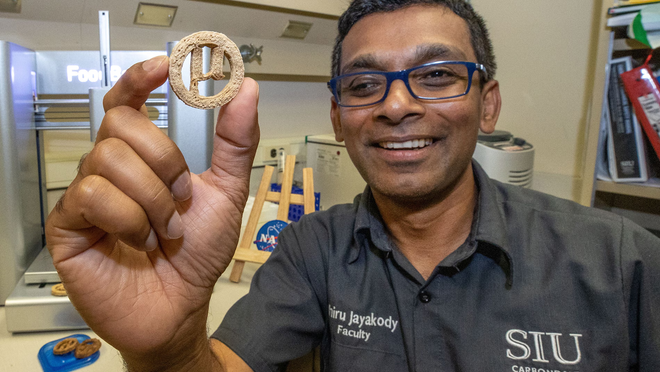
Scientists have developed 3D-printed cookies made partly from upcycled plastic, as part of a NASA-funded project exploring food production for long-duration space missions.
Acording to the Guardian, researchers at Southern Illinois University Carbondale use specially engineered yeast to break down polyethylene terephthalate (PET), commonly found in plastic bottles, and convert it into proteins, fats and other nutrients. The resulting mixture is combined with starch and shaped into cookies using a 3D printer. Another yeast strain produces vanilla flavouring from agricultural waste.
The team has yet to taste the cookies as they await approval for human testing, although they say the products have received high marks for aroma.
The technology could help astronauts on missions to Mars, where a round trip could take around three years. Researchers also believe it could eventually be useful in submarines, disaster zones and areas facing food shortages.
However, the technology remains expensive, currently costing about $60 per kilogram to produce. Researchers hope to reduce costs by improving the yeast and scaling up production.
Despite its potential to tackle both plastic waste and food insecurity, the biggest challenge may be convincing people that food made from plastic can be safe and appetising.
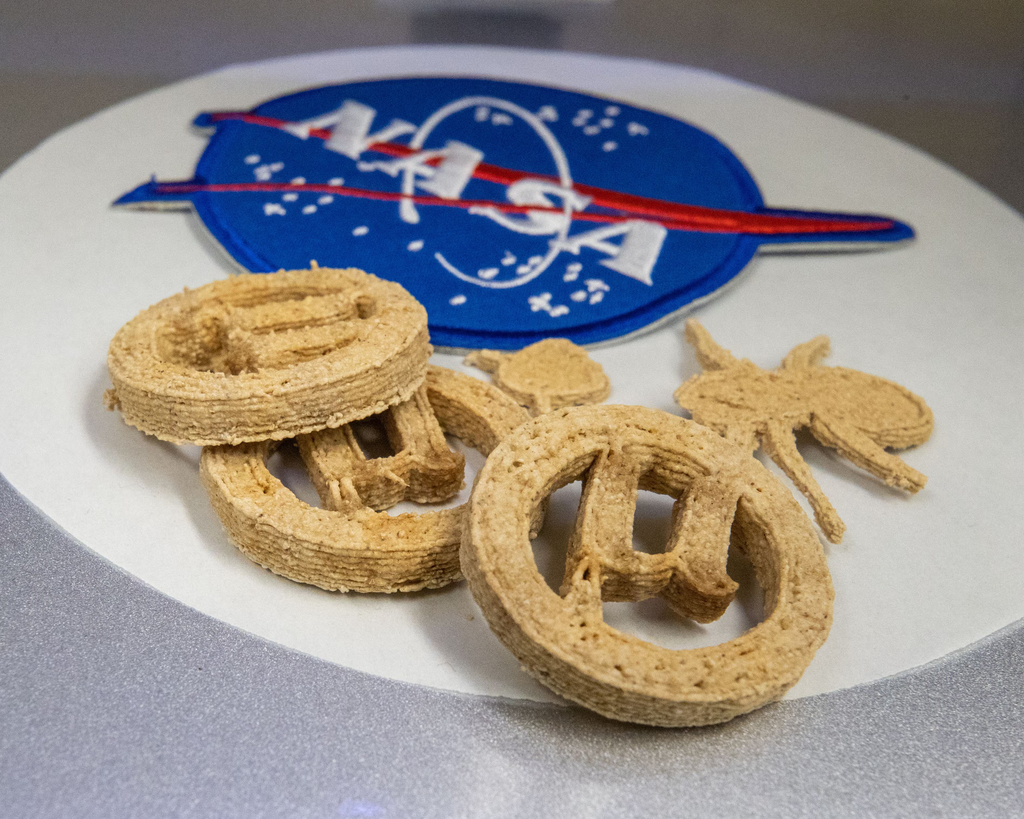
Photo: Rusty Bailey/SIUC Media & Communication Resources