Ancient cave art suggests Ireland's first humans may have arrived from Wales
Ancient cave art suggests Ireland's first humans may have arrived from Wales
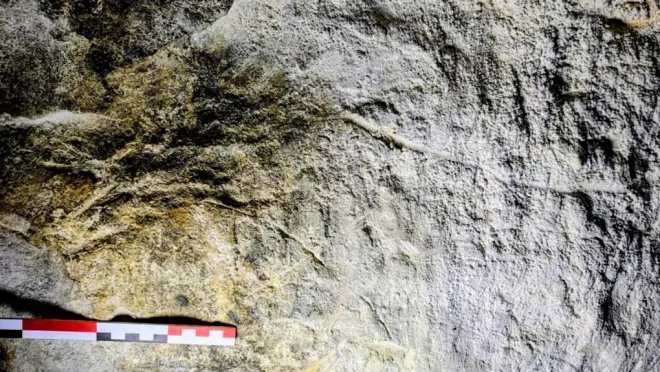
Ancient cave art discovered in south-west Ireland suggests humans may have reached the island around 15,000 years earlier than previously believed, with researchers saying the first settlers likely arrived from modern-day Wales.
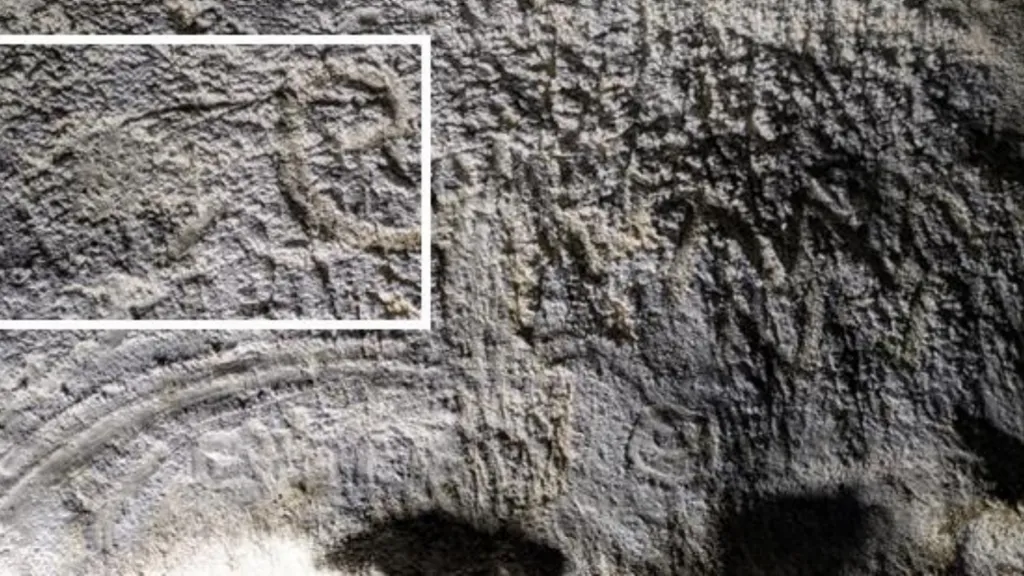
An international team led by rock art expert Dr George Nash of the University of Liverpool has identified eight cave sites containing prehistoric artwork dating back at least 15,000 years.
The findings challenge the previous earliest evidence of human presence in Ireland, which dated to around 10,500 years ago.
During the last Ice Age, falling sea levels are believed to have created a temporary land bridge between present-day Pembrokeshire in Wales and south-east Ireland, near modern-day Rosslare.
Nash, who coordinated the Lost Land Bridge Project, said the exposed area would have formed a roughly 76km-wide plateau of grassland and forest, providing a route for hunter-gatherers and supporting large animals such as mammoths, bison, reindeer and wild horses.
“Everyone knew that simply couldn’t have been correct. We just weren’t looking hard enough, and not in the right places,” Nash said, referring to the previous timeline for human settlement in Ireland.
The team used artificial intelligence (AI) and digital mapping to identify potential cave sites in Ireland based on characteristics of caves known to have been occupied in south Wales.
The computer model identified 28 potential sites in south-west Ireland, eight of which were found to contain what researchers believe is prehistoric cave art.
The discoveries include engravings, ochre and charcoal paintings, and marks made with fingers in soft clay and earth. One engraving depicts the front quarters of a deer, while another image is believed by Nash to represent a mammoth.
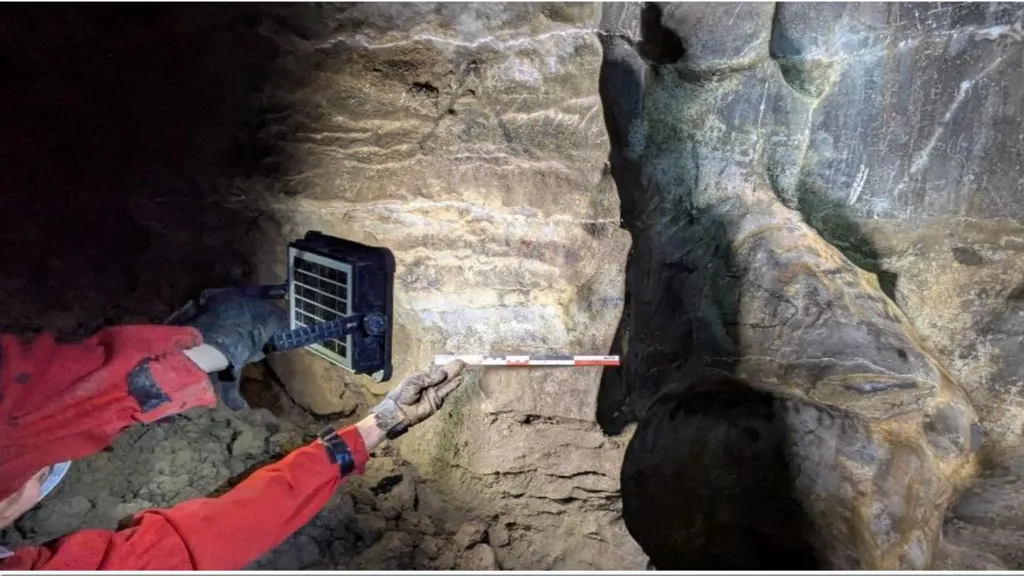
Researchers have not disclosed the exact locations of the caves to protect them from vandalism and looting.
Nash said humans had occupied caves in south Wales from around 35,000 to 40,000 years ago, gradually developing more sophisticated forms of rock art and expanding their movements as populations grew.
He believes competition for suitable caves and growing knowledge of animal migration routes may have encouraged early humans to move further west and eventually reach Ireland.
The research team expects further discoveries, particularly in areas including Wexford, Waterford and Cork.
“There must be more, and even earlier places which are just waiting for us to find them,” Nash said.