Mammoth surprise in 'squirrel poo': Scientists uncover 700,000-year-old DNA cache
Researchers say the findings provide a rare glimpse into ecosystems that existed thousands of years ago
Mammoth surprise in 'squirrel poo': Scientists uncover 700,000-year-old DNA cache
Researchers say the findings provide a rare glimpse into ecosystems that existed thousands of years ago
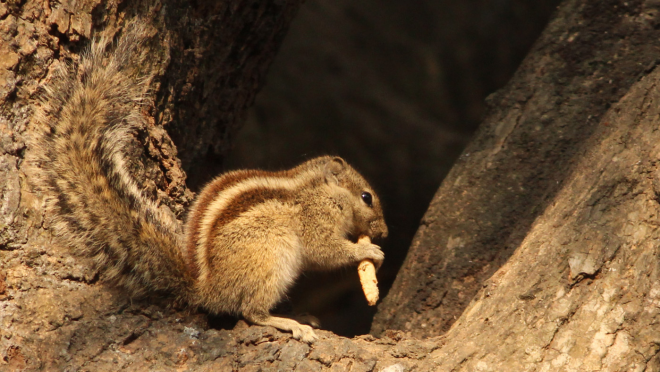
Scientists have uncovered a vast collection of ancient DNA, including genetic material from extinct woolly mammoths, while studying frozen squirrel faeces preserved in Canada’s Yukon territory, according to a report by the South China Morning Post.
The DNA, recovered from sealed underground burrows, ranges in age from around 3,000 to 700,000 years. Researchers say the findings provide a rare glimpse into ecosystems that existed thousands of years ago.
Alongside woolly mammoths, the genetic material included traces of wolves, bison, horses, a cheetah and hundreds of plant species.
The discovery was made by a team led by Tyler Murchie, a paleogenomics researcher at McMaster University in Canada. The researchers had initially intended to study the microbiome of Arctic ground squirrels but instead uncovered a much broader range of DNA preserved within the frozen burrows.
Murchie said the findings highlight the scientific value of an unlikely source. While ancient remains such as mammoth tusks often attract attention, frozen squirrel droppings may offer an overlooked archive of information about past life on Earth.
According to the researchers, Arctic ground squirrels act as natural collectors. During the short period each year when they are active, they gather and store a variety of materials, including seeds, leaves, fur and bones, inside their burrows.
Over time, some of these burrows became permanently sealed by permafrost, preserving their contents for thousands of years. Researchers even found the remains of a squirrel that had been frozen in place after entering hibernation.
Using the recovered genetic material, the team reconstructed 18 mitochondrial genomes, including those of six woolly mammoths that lived during different periods. The process involved piecing together fragmented DNA sequences with computational tools.
The findings were published in the journal Nature Communications.
The study may also contribute to ongoing efforts to better understand woolly mammoths. US biotechnology company Colossal has previously announced plans to bring back mammoth-like animals through genetic engineering, although some experts have questioned whether such animals could truly be considered woolly mammoths.
Murchie, who is not affiliated with the company, said the newly recovered genetic data will be publicly available. However, he noted that researchers already have access to extensive mammoth DNA datasets.
The team is now conducting further research into what the newly discovered DNA can reveal about the evolution of woolly mammoths.