Scientists can now listen to whales using AI
Scientists can now listen to whales using AI
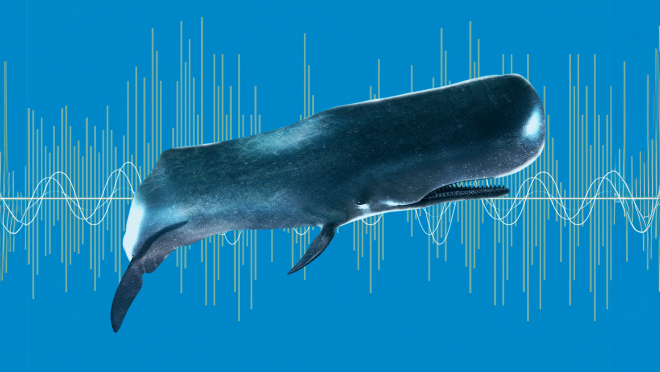
Scientists in south China’s Guangxi Zhuang Autonomous Region have converted earthquake-monitoring equipment into an artificial intelligence-powered “marine stethoscope” capable of detecting the low-frequency calls of endangered whales.
By integrating an island-based seismometer with deep learning algorithms, researchers captured and analyzed the sounds of Bryde’s whales in the Beibu Gulf of the South China Sea, revealing that the species remains in coastal waters and breeds for longer periods than previously recorded.
The study, published in Geophysical Research Letters, was led by associate professor Xiao Zhuo of Guangxi Minzu University. The AI model, trained on more than 1.7 million labeled seismic samples, identified whale calls with 99 percent accuracy from a year-long dataset collected off Xieyang Island near Beihai city.
Researchers found whale vocalizations as low as 5 Hz- far below human hearing and conventional hydrophone limits-traveling through the seabed and detected as micro-tremors. The signals suggest possible courtship or breeding behavior.
Data showed Bryde’s whales were present from January to July 2021, contradicting earlier surveys that suggested they leave by April. Fishermen also reported sightings in July.
Scientists said land-based seismometers offer a cost-effective, continuous monitoring alternative for studying migration and conserving the region’s protected Bryde’s whale population, which exceeds 70 identified individuals.