Want a more active brain? Take vitamin C
The research, led by Haruka Nagaya of Hirosaki University, was published on 10 June in the open-access journal PLOS One.
Want a more active brain? Take vitamin C
The research, led by Haruka Nagaya of Hirosaki University, was published on 10 June in the open-access journal PLOS One.
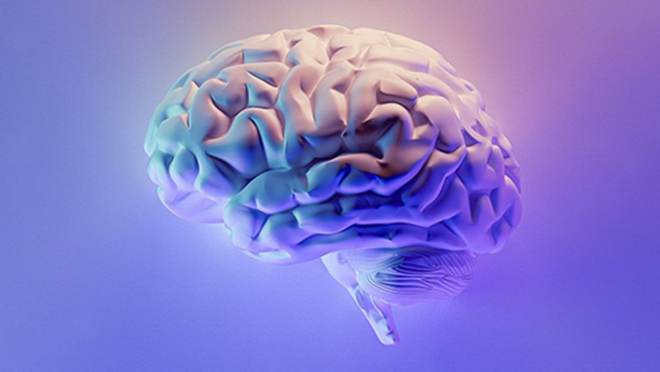
A new study involving more than 2,000 older adults in Japan suggests that higher levels of vitamin C in the blood are associated with healthier brain structure and stronger connections between key brain regions linked to memory and attention, according to Science Daily.
The findings add to growing evidence that a healthy diet may help support brain health as people age, although researchers say the study does not prove that vitamin C directly protects the brain.
The research, led by Haruka Nagaya of Hirosaki University, was published on 10 June in the open-access journal PLOS One.
Researchers analyzed brain MRI scans and blood samples from 2,044 Japanese adults aged 64 and older to examine whether blood vitamin C levels were linked to changes in the brain.
The MRI scans measured the amount of gray matter and white matter in the brain, while also assessing the strength of the brain’s default mode network, a system involved in memory, attention and other thinking abilities.
After taking into account factors such as age, education and physical activity, the researchers found that participants with lower vitamin C levels generally had less gray matter and weaker connections within the default mode network.
Gray matter contains most of the brain’s nerve cells and plays a vital role in processing information, while the default mode network is important for memory, focus and self-awareness.
The researchers said the findings suggest that maintaining healthy vitamin C levels may help support brain function and healthy aging. However, they stressed that the study only shows an association and cannot confirm that vitamin C directly causes these brain differences.
They said further research is needed to better understand the biological link between vitamin C and brain health. Future studies should track vitamin C levels over longer periods, include more information about participants’ diets and lifestyles, and involve people from a wider range of backgrounds.
Co-author Tomohiro Shintaku said the study found that people with higher vitamin C levels had better-preserved brain connections in the default mode network, raising the possibility that a vitamin C-rich diet could help reduce age-related cognitive decline.
He added that the large community-based study highlights how everyday eating habits may influence brain health as people grow older.
The research was supported by the Japan Agency for Medical Research and Development (AMED). Food company KAGOME Co., Ltd. provided salary support for two of the authors but had no role in the study’s design, data analysis, publication decision or preparation of the manuscript.