AI-generated songs banned from Australia's music charts
AI-generated songs banned from Australia's music charts

Songs largely or wholly created by artificial intelligence (AI) will no longer be eligible for Australia’s music charts under new rules introduced this week.
The Australian Recording Industry Association (ARIA) said releases must now be “substantially human made” to qualify for the charts, with the move aimed at protecting and promoting human artistry.
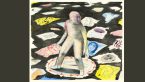
The changes follow controversy over an AI-assisted cover of Madonna’s “Like A Prayer” by Australian DJ Josh Fawaz. The track recently topped the ARIA dance singles chart and reached No 2 on the country’s overall chart. It has also been streamed more than 48 million times on Spotify.
Fawaz later added generative AI credits to the song following a backlash.
ARIA said Australian artists were competing for attention in an increasingly crowded music market and that it was “not interested in promoting or celebrating the success of AI-generated music that does not contain human artistry”.
AI tools still allowed
The new rules do not prohibit artists from using AI in music production.
Songs can use AI for tasks such as mastering, while tools including drum machines and autotune remain permitted. However, humans must have written the song and performed the lead vocals and primary instruments.
Artists must declare any use of AI when submitting a song for chart consideration.
ARIA said it could retrospectively adjust a song’s chart position if it later emerged that the music was largely AI-generated. If a song had reached No 1, the organisation could also request the return of awards given for reaching the top spot.
Artists and their representatives will have the right to challenge exclusions.
The updated code, based on guidance from the International Federation of the Phonographic Industry (IFPI), also excludes music that raises concerns over stream or chart manipulation.
Global push for AI music rules
Australia’s move follows similar action elsewhere. Earlier this year, a song was excluded from Sweden’s music charts because it was created by AI.
In July, the IFPI said AI guidelines would be introduced for official charts in Latin America, the Middle East, Africa and Southeast Asia.
ARIA chief executive Annabelle Herd said the changes were intended to ensure the charts could adapt as AI develops while maintaining a focus on human creativity.
“Artists already use AI tools in their work, the charts can and should evolve to keep room for that, but music generated wholesale by services built on artists’ recordings is a different matter,” she said.
Australian electronic duo Peking Duk has backed the move. Last month, the group shared an AI-assisted version of its 2014 hit “High” on Instagram, joking that it had re-recorded the song with AI so Australian radio would play it.
Band member Adam Hyde told Channel Nine’s Today show that AI-generated music was “removing the human experience from life”.
The issue has also drawn attention from the Australian government. Prime Minister Anthony Albanese said last year that Australian creatives should receive strong protection from AI, including the ability for writers and musicians to decide whether and how their work is used to train AI systems.