Grok AI's $100,000 Odyssey is anything but historically accurate
The $100,000 prize-winning AI film has drawn criticism for visual inconsistencies, including a three-eyed Cyclops and characters with feet instead of hands.
Grok AI's $100,000 Odyssey is anything but historically accurate
The $100,000 prize-winning AI film has drawn criticism for visual inconsistencies, including a three-eyed Cyclops and characters with feet instead of hands.
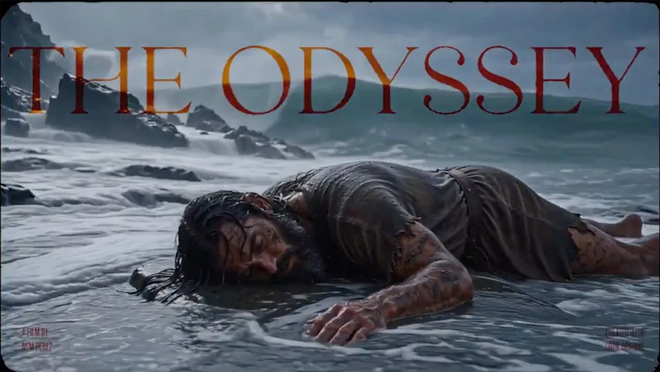
Elon Musk’s attempt to challenge Christopher Nolan’s upcoming adaptation of Homer’s The Odyssey has resulted in an AI-generated film that is attracting attention for all the wrong reasons.
Musk, who has criticised Nolan’s casting and creative decisions, previously promised that his AI model, Grok, would produce a ‘historically accurate’ version of the epic before the end of the year. He subsequently launched a contest inviting creators to make their own AI adaptations of the poem.
The $100,000 grand prize went to Nem Perez, who used Grok to create a five-minute film focusing on the Phaeacians and Princess Nausicaa, characters from Homer’s original story who were reportedly absent from Nolan’s adaptation.
Perez described the project as his most ambitious work yet, claiming he had pushed Grok to its limits. However, the film has drawn criticism for its numerous AI-generated inconsistencies.
The Cyclops Polyphemus is shown with three eyes and appears to change size between scenes. Elsewhere, Odysseus’ men seemingly have feet instead of hands, while the dialogue sounds awkward and unnatural.
Although Perez’s film falls short of Musk’s promised feature-length epic, it highlights the current limitations of AI filmmaking, even with a substantial prize at stake.