UK plans voluntary overnight social media curfew for older teens
UK plans voluntary overnight social media curfew for older teens
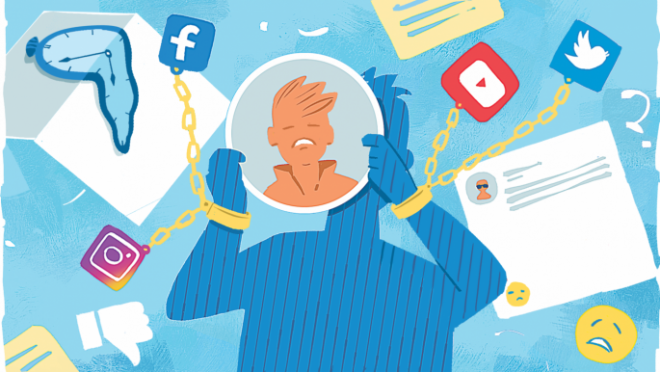
The UK government on Wednesday (15 July) announced plans to introduce a voluntary six-hour overnight social media curfew for 16- and 17-year-olds, aiming to reduce the harmful effects of excessive screen time among teenagers.
Under the proposal, social media platforms would automatically activate a curfew from midnight, although teenagers would be able to turn the setting off if they choose.
The Labour government also said features designed to keep users online for longer, such as autoplay videos, would be disabled by default for users aged 16 and 17.
The latest proposal follows last month’s announcement of a social media ban for children under 16, expected to take effect next spring. The planned ban would apply to platforms including Snapchat, TikTok, YouTube, Instagram, Facebook and X, but would not cover messaging services such as WhatsApp and Signal.
The new measures, announced during the final weeks of Prime Minister Keir Starmer’s government, will require parliamentary approval. His expected successor, Andy Burnham, is widely expected to continue with the plans.
Online Safety Minister Kanishka Narayan rejected suggestions that teenagers would simply disable the optional curfew. He said evidence from a recent pilot programme involving more than 300 teenagers and their parents across the UK showed a significant drop in overnight social media use, along with improvements in sleep and concentration.
Narayan also said that when some platforms introduced similar default settings last October, more than 90 percent of teenagers chose to keep them enabled.
“The evidence is clear, and I don’t think it’s fair to assume teenagers will all switch the settings off,” he told Sky News.
The opposition Conservative Party criticised the proposal.
Laura Trott, the party’s education spokesperson, questioned the effectiveness of a voluntary curfew, saying it “makes no sense.”
“Either the government believes 16- and 17-year-olds should use social media or it doesn’t. A curfew they can simply turn off is unlikely to make any real difference,” she said.
The National Society for the Prevention of Cruelty to Children (NSPCC), the UK’s leading children’s charity, welcomed the move but said it would not be enough on its own.
NSPCC Chief Executive Chris Sherwood said the measures could improve young people’s online experience but warned that stronger action would still be needed to address addictive platform designs that encourage excessive screen time and affect children’s wellbeing.
Rachel de Souza, England’s Children’s Commissioner, described the proposal as a positive step, saying many young people want to reduce their social media use but struggle to do so.
She added that she would closely monitor how the curfew is implemented to ensure it is effective.