Health and climate concerns rise as scientists find silicone pollutant in air
Researchers say they are now being detected almost everywhere in the air, from densely populated cities to remote natural areas.
Health and climate concerns rise as scientists find silicone pollutant in air
Researchers say they are now being detected almost everywhere in the air, from densely populated cities to remote natural areas.
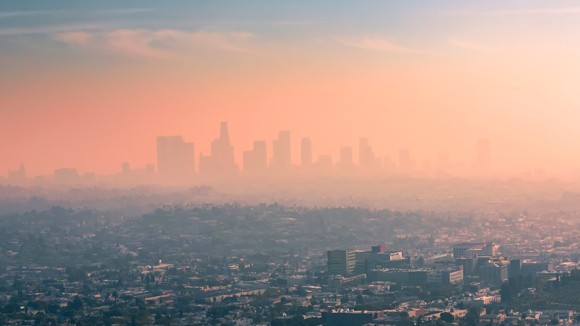
Scientists have identified unexpectedly high levels of a little-known silicone-based pollutant in the atmosphere, found across cities, rural areas and forests, raising concerns about its possible impact on human health and the climate.
The compounds, known as methylsiloxanes, are widely used in cosmetics, industrial products, transport systems and household items. Researchers say they are now being detected almost everywhere in the air, from densely populated cities to remote natural areas.
The study was conducted by researchers from Utrecht University and University of Groningen and published in the journal Atmospheric Chemistry and Physics.
Scientists say this form of pollution has received far less attention compared to better-known contaminants such as PFAS and microplastics, even though it may be more widespread in the atmosphere.
Researchers previously believed these chemicals mainly entered the air through evaporation from personal care products and industrial materials. However, the new findings show that larger forms of methylsiloxanes are also released from vehicle and ship engines through lubricating oils.
The study found that these larger particles are not limited to traffic-heavy zones. They were detected in urban centres, coastal regions, rural areas and even forests, suggesting they are globally distributed.
Lead researcher Rupert Holzinger of Utrecht University said the findings show atmospheric levels are higher than expected.
According to the study, methylsiloxanes make up between 2 percent and 4.3 percent of total organic aerosols in the air, making them one of the most common synthetic substances found in airborne particles. By comparison, PFAS levels in the atmosphere are more than a thousand times lower.
Researchers explained that engine lubricants containing methylsiloxanes can enter combustion chambers during vehicle operation. Because the compounds are highly heat-resistant, they do not fully break down and are released into the air through exhaust emissions.
The highest levels were recorded in urban areas, including São Paulo in Brazil, while the lowest were found in forest locations in Lithuania. Samples from rural areas in the Netherlands showed moderate levels.
Scientists collected air samples from multiple regions, including Europe, South America and rural locations, to understand how the pollutant spreads across different environments.
Researchers warn that people are likely inhaling these compounds continuously, but the long-term health effects remain unknown.
Holzinger said estimated daily exposure may already exceed that of other synthetic pollutants such as PFAS and microplastics, calling for urgent research into possible health risks.
The study also raises concerns about climate impacts. Methylsiloxanes may affect how aerosols behave in the atmosphere, potentially influencing cloud formation and ice processes.
Scientists also found that more than half of the pollution likely comes from vehicle emissions. The chemicals appear to travel long distances in the atmosphere due to their stability, making them more persistent than some related hydrocarbons.
Researchers say further studies are needed to understand how far the compounds spread globally and what risks they may pose over time.