Interstellar Odyssey: Star formation in the galactic orchestra
Interstellar Odyssey: Star formation in the galactic orchestra
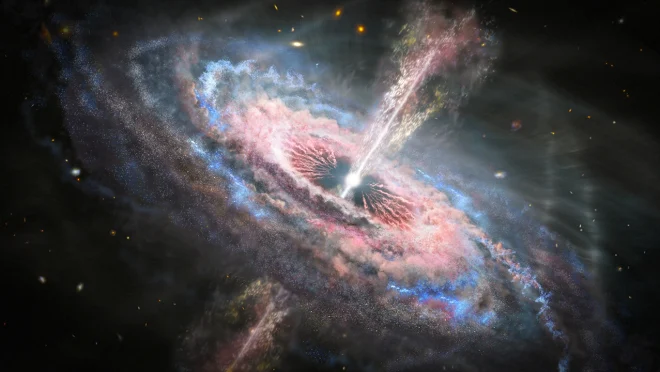
Let us continue our voyage through the cosmos where the silent nebula transforms into the brilliant light of newborn stars.
Do you want to know the story of the birth of the stars which twinkle peacefully and silently in the night sky? It is anything but quiet, like a grand orchestra in space. Let’s dive deep into this.
It will sound funny but every giant star actually begins its journey as a cloud. This cloud isn’t like the fluffy white ones we see in the sky. It’s a massive cloud of gas and dust floating in space known as a nebula. It’s cold, dark, and spread out over light years. For a long time, this phase stays the same. But slowly, like a deep breath before a song, something starts to change.
Inside the nebula, little parts begin to clump together. Maybe a nearby star explodes, which is regarded as a supernova, or maybe gravity just does its job. Tiny pieces pull each other closer, which forms a protostar. It’s the beginning phase of a star. The star doesn’t look shiny but heat is growing through its heart. Afterwards, the protostar starts to get heavier as gravity keeps pulling everything tighter. As a consequence, the core of the star becomes hotter and hotter. It’s like squeezing something until it gets warm. This is what gravity is doing on a huge scale.
When the temperature reaches millions of degrees, something magical happens. The atoms inside the protostar start to fuse. Hydrogen atoms combine together to make helium atoms. This fusion creates energy, and that energy pushes outward. Thus, a new star is born.
The star begins to shine. It glows with the energy from fusion, balancing the pull of gravity with its own power. This stage can last billions of years. Our own Sun is in this stage now. It lights up our days, warms our planet, and helps life to grow, all thanks to that grand beginning in a quiet nebula. But stars aren’t alone. They often form in groups, like a full orchestra. Together, these stars light up galaxies and create patterns that we admire from Earth. These are constellations, the Milky Way and more, a beautiful gift from nature for humanity.
However, stars don’t live forever. When they use up their fuel, they change again. Some puff up and fade. Others explode in brilliant supernovas. These explosions send new dust and gas into space. And guess what? That dust and gas can form new nebulas. How beautifully nature has designed the play of the orchestra: the end of one star can lead to the birth of another!
So next time you look at the night sky, remember that every star has a story. Each one was born from dust, warmed by gravity, and began to shine through the power of fusion. It’s like music you can’t hear but can see, like a silent symphony above us. The formation of stars is not just a mere story. It’s a reminder that even in the quietest places, beauty is waiting to be born. Just like in life, something small and still can one day light up the entire sky.
Part 1: https://tbsgraduates.net/writeup/interstellar-odyssey-a-symphony-of-quasar-and-nebula/