Meet Navanethem "Navi" Pillay, the woman who made the law bite back
An invisible wire runs through human history. It’s called written law, and it holds back the worst impulses of power. When rulers test its strength, weak rules crumble. But strong ones snap shut like a trap, dragging the abusers down.
Meet Navanethem "Navi" Pillay, the woman who made the law bite back
An invisible wire runs through human history. It’s called written law, and it holds back the worst impulses of power. When rulers test its strength, weak rules crumble. But strong ones snap shut like a trap, dragging the abusers down.
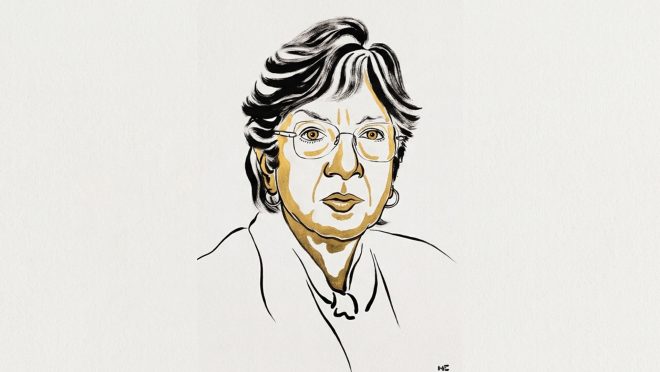
On 9 October in Oslo, the Norwegian Nobel Committee showed what happens when you spend a lifetime building those traps. They awarded the 2026 Nobel Peace Prize to South African judge Navanethem “Navi” Pillay. For six decades, Pillay went far beyond just interpreting legal codes. She has turned them into a real defence for victims.
Her fight started in 1967 under South Africa’s apartheid regime. Courtrooms weren’t fair then; they were state tools meant to maintain white rule and crush non-white citizens. Pillay, raised in a working-class Indian Tamil family, walked straight into that hostile environment anyway. She set up the first law practice owned by a non-white woman in her province.
Fear kept most lawyers away. Not Pillay. She took the hardest cases without a second thought. She would meet with anti-apartheid activists in freezing jail cells and defend detainees shipped off to Robben Island. In court, she did not bother with grand speeches. She relied only on accuracy. By catching procedural mistakes in police paperwork, she would turn the government’s own laws against them to free her clients. It proved something vital. Careful legal work can break open a cruel system from the inside.
That courtroom resolve prepared her for global crises in the 1990s. When mass violence swept through Rwanda, international courts didn’t have a clear playbook to hold leaders responsible. So in 1995, Pillay stepped in. She became the only female judge on the international court for Rwanda.
Three years later, she made history by trying a local mayor. Until then, global courts usually brushed off wartime sexual violence as an unavoidable by-product of combat. Pillay didn’t buy that excuse. Listening to survivor testimony, she proved these mass assaults were intentionally organised to wipe out a specific population. It met the exact legal definition of genocide.
Suddenly, warlords had nowhere to hide. Shortly after, she went after the radio and newspaper executives who’d urged listeners to commit murder. Her ruling was clear. Using the airwaves to incite mass slaughter made you just as guilty as the person pulling the trigger.
Pillay joined the International Criminal Court in 2003. Five years later, as the UN High Commissioner for Human Rights, she monitored active war zones in Syria and Sudan. She sent teams directly into the conflicts and publicly named abusers. Ignoring political pressure from major powers, she built airtight evidence for future trials. Presidents and generals, she proved, hold no magical immunity when the evidence against them is solid.
“Navi Pillay has held states and national leaders accountable and brought hope to the victims of violence and conflict,” said Jørgen Watne Frydnes, Chair of the Norwegian Nobel Committee. “Navi Pillay is one of the great defenders of international legal principles in our time.”
This Nobel Peace Prize delivers a devastating truth to rising authoritarians everywhere. They can hoard weapons and silence dissenters, but they can’t outrun the global legal architecture Pillay built. Regimes inevitably crumble. An airtight legal precedent, however, stands forever. It’s a loaded trap, waiting patiently for the exact moment brute force falters.