One slice at a time: The 'cheesecake' approach to productivity
Endless deadlines and a growing pile of tasks on my to-do list pushed me toward what I now call the “Cheesecake Theory”.
One slice at a time: The 'cheesecake' approach to productivity
Endless deadlines and a growing pile of tasks on my to-do list pushed me toward what I now call the “Cheesecake Theory”.
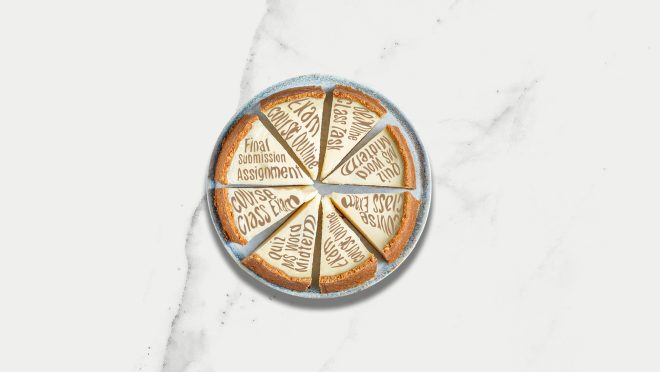
Managing unfinished chores is a struggle we all face. Whether it is term papers, workload, or household tasks, many of us have the habit of leaving them until the last moment. When the workload becomes overwhelming, we often respond by creating a big plan to complete everything in a single day. It feels productive at first, but most of the time the plan collapses under its own weight. The list looks too long, the work feels too heavy, and eventually we tell ourselves the same familiar line: “I promise I will do it tomorrow.”
This is where what I call the Cheesecake Theory comes in. The idea came to me while I was struggling with an overloaded to-do list. Surprisingly, the inspiration did not come from a productivity book or time-management strategy. It came from dessert.
Think about your favourite dessert for a moment. Everyone has one. Now ask yourself an honest question: how much of that dessert can you really enjoy at once without getting tired of it? Even when something is your absolute favourite, there is always a limit.
For me, that dessert is cheesecake. Whenever I think about cheesecake, I feel like I could easily eat an entire cake in one sitting. But the reality is very different. The day I bought a whole cheesecake, I realised I could only enjoy two slices at a time. After that, I naturally needed a break. The rest of the cake stayed in the refrigerator, and I finished it slowly over the next day or two. If I had forced myself to eat the whole cake in one sitting, I would probably have felt sick or, worse, I might even have lost my love for cheesecake.
The same thing happens when we force our brains to deal with too much work at once. When tasks pile up for days or weeks, we suddenly try to finish everything immediately. We convince ourselves that we will clear the entire list in a day or two. But the brain sees the mountain of work and reacts with resistance. The plan feels overwhelming before we even begin.
Even if we somehow manage to complete a large amount of work in a short time, the satisfaction rarely arrives. Instead, we feel drained and exhausted. I have experienced this myself, finishing a huge amount of work only to feel strangely unsatisfied afterwards.
Human beings do not like to be forced. The moment we impose strict instructions on ourselves, the brain begins to resist. Pressure creates hesitation, procrastination, and fatigue. Even tasks that we once enjoyed can become exhausting when we try to do too many of them at once. And in most cases, the tasks on our to-do list are not even things we love doing.
This is where the Cheesecake Theory offers a simple solution. Instead of trying to finish everything in one sitting, treat your workload like a cheesecake. Slice it.
Imagine you have several major tasks to complete within the next two days. Instead of looking at them as one giant responsibility, divide them into six or eight small slices. Write them down in a to-do list and arrange them according to priority. However, avoid attaching strict timelines to each individual task. Instead, give the entire list a final expiration date. Between now and that deadline, allow your brain the freedom to complete the tasks at its own pace.
Finish one task, then take a break. When your mind feels ready again, move to the next one. Slowly, slice by slice, the entire workload disappears. Without overwhelming pressure, the brain becomes more willing to cooperate. Tasks feel lighter, progress feels natural, and the satisfaction of completing them becomes real.
At its core, the Cheesecake Theory is not just about productivity. It is about how we treat ourselves. We often talk about freedom, yet we rarely give our own minds the freedom to work naturally. From small daily chores to the biggest projects of our lives, everything becomes easier when we allow ourselves to work in our own rhythm instead of under constant pressure.
Because forcing yourself to eat an entire cheesecake in one sitting will only make you sick. Forcing your brain to handle an overwhelming amount of work all at once can have a similar effect: burnout, frustration, and even mental health problems.
The idea can be remembered with a simple phrase: slice it, eat it, save it, and come back for the next slice later. In other words, list the tasks, complete one, take a break, and then return for the next. Just make sure the dessert does not rot in the refrigerator—and the tasks on your list do not expire either.