Choosing life in an absurd world: Why Trainspotting still feels painfully relevant
Choosing life in an absurd world: Why Trainspotting still feels painfully relevant
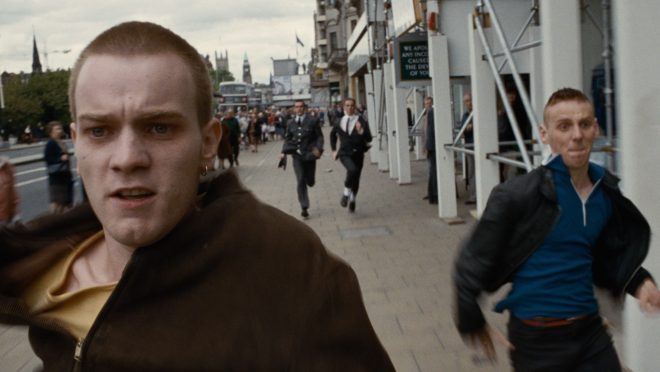
The world felt eerily still in 2020. Streets were emptied, faces disappeared behind masks, and every day seemed to begin with another grim statistic. During those endless months of lockdown, when everything felt uncertain and strangely dystopian, I stumbled upon Trainspotting.
It was probably the last film I should have watched.
A chaotic, darkly comic story about heroin addicts in 1990s Edinburgh hardly sounded like the escape I needed.
I have seen so many movies that shows drug culture and the youths getting ruined because of the choices they made, almost all of them had shown it in a preachy and moralizing tone. But Trainspotting, directed by Oscar-winning filmmaker Danny Boyle and based on the debut novel by Scottish writer Irvine Welsh, shows addiction in its rawest form. It shows the consequences of their choices without pretending the alternative offered by mainstream society is inherently noble.
Thirty years later, Trainspotting still sprints forward with Underworld’s “Born Slippy” blaring in the background. The world has changed, but our search for escape has not
Renton’s generation escaped through heroin and drugs of all sorts. Ours is more likely to disappear into endless scrolling, doomscrolling, binge-watching, algorithmic feeds, and the endless noise of the internet.
Even our ambitions can become escapes when we convince ourselves that the next promotion, higher CGPA, or the next milestone will finally make us feel complete.
The substance has changed. The escape has not.
The things that consume us
Perhaps that is why Trainspotting has aged so well. Every major character in the film is dependent on something beyond a chemical to escape from something. To silence something that is clocking inside.
Begbie’s addiction is violence. His aggression gives him a temporary sense of control in a life where he feels powerless. Sick Boy survives through performance, creating a version of himself built on confidence, charm and detachment. Spud’s dependency is acceptance, his desperation to belong keeps him trapped in friendships that repeatedly hurt him. He couldn’t hide his vulnerabilities. Even Tommy, the character who appears most capable of choosing a normal path, discovers that a normal life cannot protect a person from emptiness.
Renton is different because he understands the trap. He sees the damage heroin causes. He sees through the meaningless consumerism surrounding him. He knows the life everyone tells him to want may not actually make him happy. But awareness does not automatically create change.
Comedy plays an important role in the chaos of Trainspotting. The film finds a pessimistic humour in the character’s struggles. The restless Renton, the vulnerable Spud, the charismatic Sick Boy and the volatile Begbie move through a world they feel disconnected from. They are not heroes, and many of their choices are difficult to defend. But they feel real.
Energy, fear and desperation
That may be the most painful idea in Trainspotting: knowing what is destroying you is easier than escaping it. It is also about the people we choose to share our lives with.
I have never seen such an electric screenplay ever in a movie. Boyle injects every frame with restless energy. The camera rarely stands still. Hallucinations merge seamlessly with reality. The editing is frantic, playful and disorientating, while the soundtrack propels the film forward with infectious momentum.
The disgusting scene where Renton digs through a toilet for his lost drugs perfectly shows how terrible his mind and body have become.The horrifying image of the baby crawling across the ceiling visualise his psychological state. Boyle turns fear, guilt and withdrawal into something we can see and feel.
The soundtrack is equally great. It was made up primarily of proto-punk classics from Lou Reed and Iggy Pop, next to Britpop favorites like Pulp, Blur and Elastica, it was Underworld’s “Born Slippy .NUXX” that still stands as the film’s unofficial theme song.
Choosing life or choosing differently?
The iconic “Choose life” monologue, my favourite moment of the film, sees Renton ridicule the idea that happiness can be purchased through careers, mortgages and household appliances. But beneath the sarcasm, it asks a more uncomfortable question: in a world full of distractions, what is actually consuming our lives?
Nearly 30 years later, the things that consume us look different. It is not only what we buy, but what constantly takes our attention. Endless scrolling, short-form entertainment, online validation and the pressure to always stay updated have become part of everyday life.
We allow these things to take over because they offer a temporary escape from boredom, loneliness, anxiety and the uncertainty of the future.
That is what makes Trainspotting feel so timeless to me. Renton and his friends are searching for ways to escape a reality they struggle to accept.
Maybe choosing life does not mean accepting the version of happiness that society sells us. Maybe it means having the courage to recognise what controls us and deciding what is actually worth choosing.
Choose life. Choose this film.