Could old technology be the answer to modern cyber threats?
Could old technology be the answer to modern cyber threats?
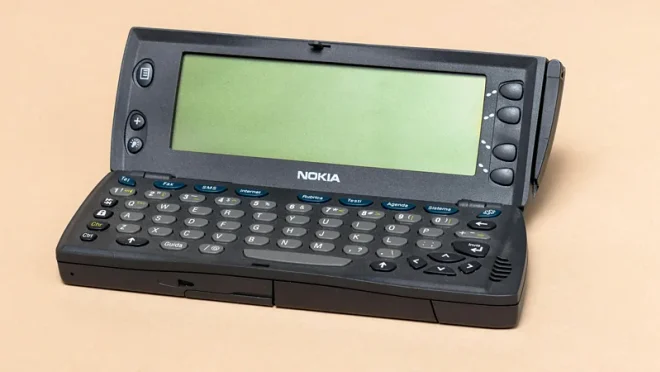
Older technology may seem more vulnerable to cyberattacks, but experts say its lack of popularity can sometimes make it a safer choice.
Finnish cybersecurity expert Mikko Hyppönen calls the idea “security by antiquity” relying on older technology because hackers have largely moved on to more widely used systems. He once continued using the outdated email software Eudora because it attracted far less attention from attackers than mainstream services.
The logic is straightforward: most cybercriminals are looking for money, so they tend to target technologies used by large numbers of people. An obscure or outdated system may simply not be worth their effort.
Computer scientist Matt Bishop experienced this while running a cybersecurity honeypot in the 1990s. His team deliberately exposed a computer to the internet to attract hackers. They used an older version of software and found that almost nobody attacked it. When they upgraded to a newer version, attacks quickly followed.
The principle can also apply beyond computers. Some people still use basic Nokia phones, while militaries continue to rely on technologies such as paper maps, compasses and older radio systems. These may lack the convenience of modern alternatives, but they are less exposed to threats such as hacking and GPS jamming.
Ireland, for example, has delayed replacing some ground-based radio navigation beacons because GPS can be vulnerable to jamming. Older navigation systems can provide a useful backup when satellite signals are disrupted.
The same idea applies to data storage. Magnetic tape, a technology dating back to the 1950s, remains widely used for storing backups because tapes can be disconnected from networks and kept in secure locations, helping protect data from ransomware.
However, experts stress that old does not automatically mean secure. Outdated systems can have known vulnerabilities and may lack modern security features. Their advantage often comes from being obscure, isolated or difficult to attack remotely.
Rather than replacing every old system with the latest technology, organisations may therefore benefit from keeping some proven older technologies as a backup – combining modern convenience with analogue resilience.