NASA to test SpaceX, Blue Origin lunar landers ahead of 2028 Moon mission
NASA to test SpaceX, Blue Origin lunar landers ahead of 2028 Moon mission
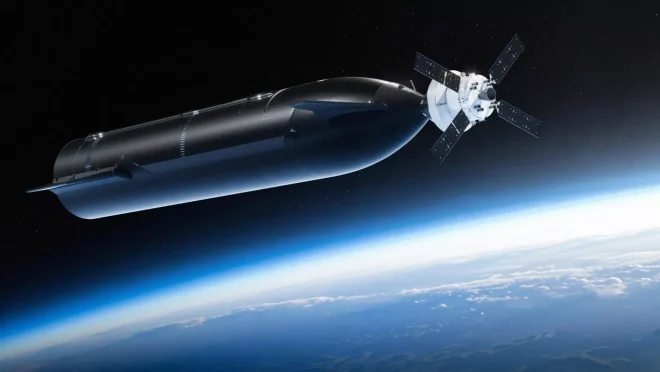
NASA is preparing for its next astronaut mission to the Moon by planning a major orbital rehearsal in 2027, when it will test commercial lunar landers built by SpaceX and Blue Origin before astronauts attempt a lunar landing in 2028.
The tests will take place during the Artemis III demonstration mission, where astronauts aboard NASA’s Orion spacecraft will carry out rendezvous and docking exercises with prototype Moon landers in Earth orbit.
NASA says the mission, along with future uncrewed tests near the Moon, will provide valuable data to improve astronaut safety and reduce mission risks before humans return to the lunar surface.
SpaceX and Blue Origin to test prototype landers
NASA has selected SpaceX and Blue Origin to develop Human Landing Systems (HLS) that will transport astronauts from lunar orbit to the Moon and back.
For Artemis III, both companies will launch prototype versions of their future Moon landers using commercial rockets.
Meanwhile, the Artemis III crew will travel separately aboard the Orion spacecraft, launched by NASA’s Space Launch System (SLS) rocket.
The mission will allow NASA to assess how the different spacecraft perform before they are used for future crewed Moon missions.
Different approaches for the demonstration
SpaceX plans to use its latest Starship Version 3 spacecraft, which forms the basis of its future Moon lander. Blue Origin will test the crew cabin planned for its Blue Moon lander.
Steve Creech, manager of NASA’s Human Landing System Programme, said both companies have proposed ambitious test plans that will support later uncrewed and crewed missions.
“The prototype landers will provide valuable information for future development while giving us greater confidence in the spacecraft before astronauts land on the Moon,” he said.
Blue Origin astronauts will enter test cabin
During the mission, up to two Artemis III astronauts wearing Orion survival suits will enter Blue Origin’s test lander to evaluate its systems.
The spacecraft will also carry a specially designed instrument that will collect information on cabin conditions, similar to the “Moonikin” mannequin used during NASA’s uncrewed Artemis I mission.
Starship to perform docking tests
SpaceX’s Starship prototype will carry a docking system at the front of the spacecraft, allowing Orion to dock directly with it.
Unlike the Blue Origin test, Artemis III astronauts will remain inside Orion during the Starship docking exercise.
NASA and SpaceX will study how the connected spacecraft perform together and evaluate communications, navigation and spacecraft control systems.
Three powerful rockets to launch within days
The Artemis III demonstration will involve launching three powerful rockets over a relatively short period.
Blue Origin’s test lander is expected to launch first, followed by Orion aboard NASA’s SLS rocket and then SpaceX’s Starship prototype.
NASA says the demanding schedule will test launch operations, mission control teams, communication systems and coordination among multiple launch facilities across the United States.
After completing docking tests with both landers, the Artemis III astronauts will return safely to Earth aboard Orion.
Jeremy Parsons, NASA’s Artemis programme manager, described Artemis III as one of the agency’s most complex missions.
He said the demonstration would help prepare NASA for future Moon missions by testing launch operations, spacecraft integration and mission planning.
Preparing for future Moon missions
NASA plans to use a “dual-launch” strategy for future lunar missions, with the Moon lander launched first and placed in orbit before astronauts arrive aboard Orion.
The Artemis III mission will allow NASA and its commercial partners to rehearse that process for the first time.
Blue Origin’s lander is designed to remain in orbit for up to 30 days, giving engineers time to inspect and test its systems before Orion launches.
Once Blue Origin completes its docking exercises, SpaceX will launch Starship for the second phase of the mission.
Safety remains the priority
Before the mission begins, NASA will certify that both lander prototypes meet all safety requirements before allowing the crewed Orion spacecraft to approach them.
The agency will review hardware, software and safety systems to ensure astronauts remain protected throughout the docking operations.
Both SpaceX and Blue Origin have already completed extensive ground testing of their docking systems.
NASA says the Artemis III mission will also evaluate how Orion and the commercial landers communicate, operate together and maintain stable flight while docked.
The Artemis programme is part of NASA’s long-term plan to return astronauts to the Moon, support scientific research, establish a sustained human presence there and develop the technologies needed for future crewed missions to Mars.