Why tech companies want you to spend less time on screens
The shift is being driven by products such as smart glasses, AI-powered accessories, and, reportedly, camera-equipped wireless earbuds that could change how users access information and interact with digital services.
Why tech companies want you to spend less time on screens
The shift is being driven by products such as smart glasses, AI-powered accessories, and, reportedly, camera-equipped wireless earbuds that could change how users access information and interact with digital services.
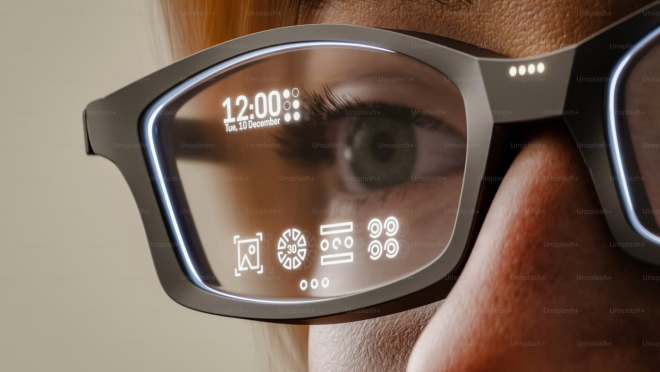
Some of the world’s biggest technology companies are working toward a future in which people spend less time looking at smartphone screens and instead interact with devices through artificial intelligence-powered wearables, according to a BBC report.
The shift is being driven by products such as smart glasses, AI-powered accessories, and, reportedly, camera-equipped wireless earbuds that could change how users access information and interact with digital services.
According to Bloomberg, Apple is preparing to launch AirPods with built-in cameras as early as next year. The report said the cameras would not be designed for photography. Instead, they would provide visual information about a user’s surroundings to Siri, allowing the voice assistant to respond to requests based on what the user is seeing. However, Apple has not confirmed the report.
The reported development reflects a broader trend in the technology industry, where companies are exploring ways to move computing beyond traditional screens.
For decades, screens have been the primary way people have interacted with computers. However, advances in artificial intelligence and wearable technology have encouraged companies to develop products that rely more on voice commands, environmental awareness, and gestures.
Last week, Snapchat parent company Snap introduced a new pair of AI-powered smart glasses called Specs. The glasses, priced at £1,995 in the UK and $2,195 in the United States, are designed to operate independently without requiring a smartphone connection, unlike many existing smart glasses.
Snap Chief Executive Evan Spiegel described the product as part of “a new era in computing,” saying computers have traditionally required users to look down at screens or step away from their surroundings.
The glasses feature displays built into the lenses that temporarily overlay digital information onto the wearer’s view of the real world rather than replacing their field of vision.
The wearable technology market has grown rapidly in recent years. Meta’s smart glasses have emerged as one of the category’s most successful products, with reports suggesting around seven million pairs have been sold. The company has also introduced more affordable versions of the device.
Despite growing interest, smart glasses have raised privacy concerns.
Many models include built-in cameras that allow users to record photos and videos, making it difficult for people nearby to know when they are being filmed. While companies such as Meta and Snap include indicator lights intended to show when recording is taking place, critics argue these measures may not be sufficient.
BBC cited CNBC reporter Brandy Zadrozny, who described encountering someone wearing Meta’s smart glasses during a morning run as an uncomfortable experience because it was unclear whether a recording was taking place.
Meta is reportedly also considering audio-only smart glasses that would not include cameras.
Apple’s reported approach could avoid some of these privacy concerns. According to the BBC, the cameras in the rumoured AirPods would not function like conventional cameras capable of taking photos or videos. Instead, the visual data could potentially be processed on the user’s device without being stored or uploaded to cloud servers.
Supporters of wearable AI argue that such devices could make technology less intrusive by allowing people to obtain information without constantly checking a phone.
Possible uses include asking questions about objects in view, receiving recipe suggestions after looking inside a refrigerator, getting navigation assistance based on the surrounding environment or controlling devices through hand gestures.
Ben Wood, chief analyst at market research firm CCS Insight, told the BBC that Apple would likely introduce such technology only if it had practical use cases in mind.
He said the potential applications were limited mainly by people’s imagination.
The development also reflects broader ambitions for artificial intelligence, which many technology companies see as a way to enable more natural conversations with digital assistants capable of completing tasks on behalf of users.
Apple is already working on an upgraded AI-powered version of Siri intended to provide more advanced assistance through conversational interactions.
If successful, such technology could allow users to perform many everyday digital tasks while keeping their attention on the world around them rather than on a smartphone screen.
However, the BBC noted that a screen-free future may not necessarily reduce people’s dependence on technology.
Instead of replacing smartphones, AI-powered wearables could create additional opportunities for users to remain connected throughout the day, expanding technology use into situations where people would not normally interact with screens.
Wood said smartphones are unlikely to disappear because they have become deeply embedded in daily life. However, he added that both technology companies and some consumers appear interested in products that encourage people to spend less time looking down at their devices while remaining connected.