The anxiety epidemic: what is really happening to students today
Have you ever found yourself wondering why mental health discussions appear to have saturated the environment in 2026, particularly among students?
The anxiety epidemic: what is really happening to students today
Have you ever found yourself wondering why mental health discussions appear to have saturated the environment in 2026, particularly among students?
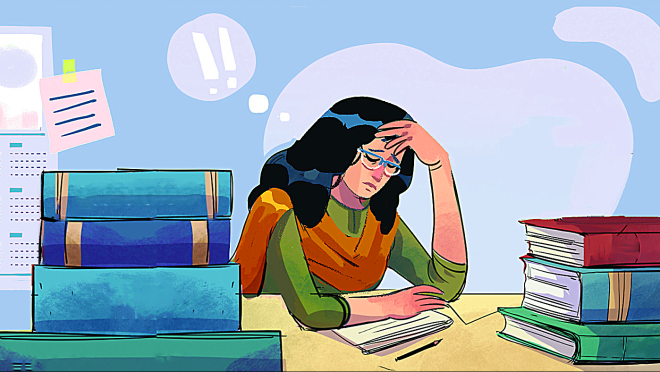
What is behind the high rates of anxiety, pressure, and emotional distress among youth and young adults?
The question is easy to tackle: nowadays, mental health has become one of the most pressing problems for students, and it concerns everyone, whether people realise it or not.
What is the issue with teen mental health in 2026?
The truth of the matter is that being a student in 2026 is not an easy life. There are real pressures. Academic demands are sky-high, social media never rests, and the world seems more uncertain than ever before. Did you know that the levels of anxiety and depression among students are at their highest this year? This is not just statistics; it is the reality of millions of teens every day.
What, however, is the cause? Is it actually school pressure, or something beyond that?
Social media and technology: Do you constantly compare yourself with the rest of the online world? You are not the only one. Social media may create a sense of belonging, but it also brings pressure to look perfect and present oneself constantly. Technology has the potential to increase feelings of inadequacy and loneliness in this digital world.
Academic pressure: Do you feel that you are overwhelmed with schoolwork, tests, and extracurricular activities? Things are highly competitive, and success can feel pressurising.
Worldwide uncertainty: Climate change, economic recession, and other major issues are affecting teens nowadays. Does the future feel frightening or uncertain to you at times? That is a concern many students share.
What would happen to teen mental health if it is ignored?
Try to study while dealing with constant anxiety or depression. It is almost impossible. Mental health issues can lead to:
Decreased grades and attention problems
Isolation from friendships and other activities
Physical symptoms such as headaches or tiredness
Poor coping skills and high-risk behaviours
Alarmingly, nearly 60% of adolescents with major depression remain untreated. Why? Stigma, lack of resources, and not knowing where to seek help are major barriers.
What are we going to do to change this?
The good news is that we can all contribute to improving teen mental health. Would you not agree that no one should have to struggle alone? The following approaches can help:
Open conversations: Mental health should not be a taboo topic. By sharing our struggles, we help others feel less alone.
Supportive school environments: Schools that provide counselling services, peer support, and mental health education can make a significant difference. How much safer would you feel knowing that your school gives equal importance to mental health and academics?
Involvement of families and communities: When families and communities work together with schools, students receive stronger support, especially those in underserved areas.
Healthy habits: Simple habits such as adequate sleep, healthy eating, and taking breaks from screens can improve mood and resilience.
Stand up for student well-being
In 2026, understanding and supporting teen mental health is not just important; it is essential. The problems are serious, but so are our opportunities to address them. Now imagine a world where all students feel seen, heard, and supported. Would that not be a future worth striving for?
If you or a friend are struggling, remember this: you are not alone. Let us continue the conversation, remove the stigma, and create an environment where all students can thrive mentally, emotionally, and academically.
Who is on our side?
Najiha Mamun is a high school student at Summerfield International School (SFIS), Dhaka. Reach her at [email protected].