The grief nobody prepares you for
After losing a pet, you never really move on.
The grief nobody prepares you for
After losing a pet, you never really move on.
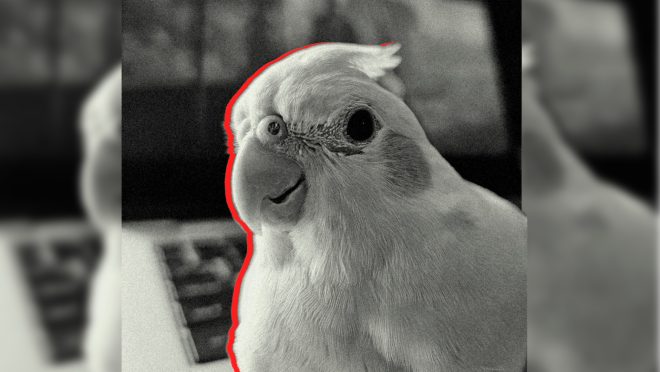
Pippo was a cockatiel. Small, grey, with a yellow crown she wore like she’d earned it.
She came to me at one of the worst points of my life, when I had just lost my best friend and was still learning how to carry that. I did not go looking for her. I was not, at the time, someone who believed in the kind of love people claim to have for their pets. I thought it was overstated. Sentimental. A substitution for something more real.
She changed that. Quietly, without asking permission, over months of mornings and routines and small, unremarkable moments, she changed that completely.
When she died, I understood something I had no language for before: that this grief is real, it is enormous, and almost nobody around you will know what to do with it.
Here is what makes loving a pet unlike anything else.
They cannot speak. Not in any language you were born with, and neither were they. Every piece of understanding between you, every moment of recognition, every habit learned, every signal understood is built from nothing. Together. Over time.
You learn that this particular tilt of the head means curiosity. That this sound is contentment and that one is alarmed. They learn the rhythm of your footsteps, the difference between you leaving for an hour and leaving for the day, and the specific quality of your presence when something is wrong. None of this was given. All of it was made slowly, patiently, in a language that exists only between the two of you and will never exist again.
That is not a small thing. That is one of the most profound things a relationship can be.
There is no performance in it. No agenda. Just two creatures, across an enormous species divide, choosing to understand each other anyway. And over time, without either of you planning it, they become a witness to your life, the unguarded, ordinary, daily version of it that very few ever see.
When they go, that witness goes too. And the silence they leave is not just emotional. It is structural. The morning is different. The apartment is different. You reach for a habit and find only air.
Rasiq Towsiq Sakin, a Dhaka resident who has lost pet cats multiple times, knows this silence well. He has lived through it more than once, and each time, he says, it does not get easier to explain to the people around him.
But he has arrived at something true about it.
“You probably never move on from them,” he says. “Or ever forget. But that’s the beauty. They will be there as memories that make you happy and sad both. Like life.”
Happy and sad both. Like life.
There is no cleaner way to say it. The grief does not resolve into acceptance and then disappear. It transforms slowly, unevenly into something you carry alongside everything else. A warmth that aches. A memory that makes you smile and then catches you off guard. The way certain mornings, certain sounds, and certain qualities of light will always belong to them now.
We do not have much language for this in our culture. When a person dies, the world pauses. Rituals exist. Permission to grieve is granted. When a pet dies, people say: it was just a cat. Or you can get another one. Not out of cruelty, but out of a genuine inability to measure a loss they have not felt.
This is what those of us who have loved and lost an animal know that others do not yet: the size of the grief is not determined by the size of the creature. It is determined by the size of what was built between you. The length of the journey. The depth of the language you made together.
Pippo is gone. That specific morning sound, the one that meant I am here or I am hungry, is gone with her. I will not move on from that. I do not think I am supposed to.
But she is there, in the way Rasiq described. Happy and sad both.
That, it turns out, is more than enough.