The internet is teaching women to be afraid
Growing up, I always heard people say, “Just ignore it.”
The internet is teaching women to be afraid
Growing up, I always heard people say, “Just ignore it.”
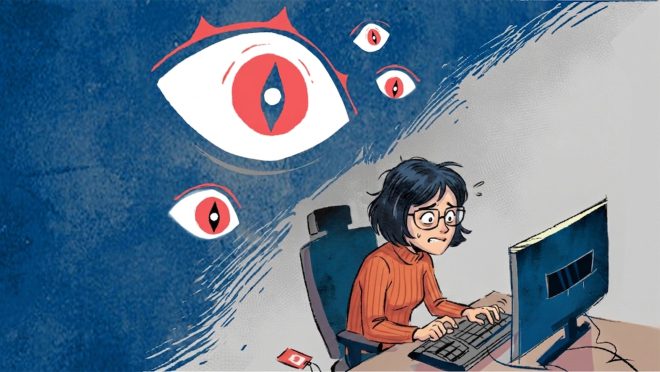
Ignore the fake accounts. Ignore the edited photos. Ignore the anonymous messages. Ignore the threats.
But I’ve come to realise that girls are expected to ignore way too much.
Imagine waking up to strangers calling you names in your inbox. Imagine opening the comments on your own photo only to find men asking, “How much for a night?” As if your existence online automatically makes you available to them.
It’s disgusting.
At first, you block them. Then another appears. And another. After the hundredth account, you stop counting. Because how many people can one woman block before she gets exhausted?
Yet we’re constantly told, “That’s just how social media is.” That if we want to exist online, we should learn to ignore it. To normalise it.
But why should women normalise harassment just to have a voice? Sadly, many of us did unknowingly.
The truth is, social media has never been a safe place for women. And now, in the age of AI, it’s even worse. A single innocent photo is enough to be stolen, edited, sexualised, and spread without consent. Your face no longer belongs to you once it’s uploaded.
We keep creating smarter technology, yet we still haven’t found a way to make women feel safe online.
When we talk about cybercrime, people often imagine hacking or stolen passwords. But for so many women, cybercrime is deeply personal. It’s someone creating a fake profile using your photos. It’s your private pictures being shared without your consent. It’s being blackmailed, stalked, impersonated, secretly recorded, or threatened online simply because you rejected someone or dared to speak your mind. Sometimes, it’s strangers. Sometimes, it’s people you once trusted.
What hurts the most is that the fear doesn’t stay online.
I’ve seen girls stop posting photos because they’re afraid someone will misuse them. I’ve seen them make their accounts private, change their phone numbers, delete years of memories from social media, or disappear from platforms they once enjoyed. Not because they wanted to, but because they no longer felt safe.
The emotional impact is devastating. Research consistently shows that victims of online harassment are far more likely to experience anxiety and depression than those who haven’t been targeted. The CDC found that nearly 30% of teenagers who experience cyberbullying show symptoms of anxiety, while almost the same proportion experience depression. The National Institutes of Health has also reported that victims are significantly more likely to experience suicidal thoughts.
But it doesn’t stop there.
When your phone becomes a source of fear, your body feels it too. Sleep becomes difficult because you’re wondering whether another fake account will appear tomorrow, whether someone has shared your information, or whether another threatening message is waiting for you. Studies have found that victims of cyberbullying are much more likely to experience sleep deprivation, and it’s easy to understand why. It’s hard to rest when you never truly feel safe.
The saddest part is how quietly it changes people.
Some girls stop speaking up. Some avoid making new friends online. Some give up opportunities because they don’t want to be visible anymore. Others start blaming themselves for something that was never their fault.
I’ve realised that cybercrime doesn’t just steal data or invade privacy.
Sometimes, it steals confidence. It steals freedom. It steals the simple feeling of being able to exist online without constantly looking over your shoulder. It creates a constant fear of being seen.
And no one should have to live like that just because they’re a woman with an internet connection.
So the question remains,
Where is the safety for women on the internet?