The never-ending wait for a Batman sequel
Last year, I sat here on my laptop, conjugating all my comic books, movies, and game knowledge into one single piece. All that until I opened Instagram like every other day, and Matt Reeves postponed the Batman sequel yet again.
The never-ending wait for a Batman sequel
Last year, I sat here on my laptop, conjugating all my comic books, movies, and game knowledge into one single piece. All that until I opened Instagram like every other day, and Matt Reeves postponed the Batman sequel yet again.
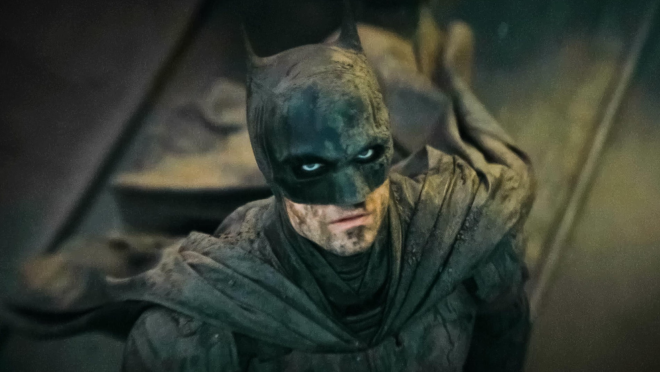
I see the success of the new Superman film, and I ask myself the question again. When will Matt Reeves make another Batman? One of my favourite film experiences was The Batman (2022), and I have been waiting for a sequel ever since.
‘Notice how you never see me and Batman together anywhere?’ As I joke for the hundredth time, my friends no longer bother refuting or giving a reaction. An ode has always been on my mind, but it never came, just like the sequel. But when I look back, how good really was The Batman?
Pre-release, the mixed vibes were quite eye-catching. They chose the Twilight vampire as Bruce Wayne? The embodiment of vengeance, the greatest detective on Earth, to be played by Robert Pattinson. The choice of plot was interesting too. A funky, flashy, neon green-wearing, riddle-asking menace called Riddler, who looked more of a joke than an actual villain, would be the main antagonist.
Compare that to Bane (because a Heath Ledger Joker comparison would be hysterically funny), and one would be quick to say that the film would not be carried by the villain. But the character arcs, the plot, and the way it captures the essence of Batman really put it out there as one of the best Batman renditions.
What made Pattinson’s Batman unique was how immature and self-conflicted he was. Unlike Christian Bale or Ben Affleck’s portrayal, this Batman was not a seasoned caped crusader. It was a second-year Batman, one who still carried the trauma of the murder that happened 20 years ago. The essence of Batman really lies in him having the power to kill but choosing not to. Batman walks the razor’s edge between vengeance and justice.
Vengeance punishes with brutality, but true justice inspires. That struggle of conquering his personal vendetta while becoming a glimmer of hope for a city in ruins is the true heart of Reeves’ film.
The opening sequence of the Riddler killing the mayor, and Batman’s nocturnal ride, sets you up for what is to come. The internal monologue of him trying to save a city that is ‘beyond saving’, and the following ‘I’m vengeance’ scene really go well together to show how he’s fighting evil for what it has done to HIM, but not for what it does to the city. His ambition is to clean the city for what has happened to him 20 years ago, but he fails to see himself as the guardian of Gotham.
The manner in which he attacks and thrashes the thugs ruthlessly goes to show how he’s filled with bitterness. A great bit of detail in the film is when Batman looks through the windows of people’s houses. The city is rotting and in ruins, and the one saving it is not so different.
The character arc begins with vengeance, but does vengeance come without consequences? The villain, Riddler, is a direct consequence of Batman’s acts as a vigilante fighting evil. Reeves does an incredible job of showing the parallels. At times, one might even sympathise with the Riddler. While Bruce Wayne lived in a billionaire mansion after being orphaned, Riddler grew up in the city’s filthy orphanage, forgotten like he was a nobody. Bruce blamed the evil in Gotham for his fate, and so did the Riddler. Throughout the film, the Riddler begs Batman to recognise that they’re ‘partners’ who fight the corrupt. Internally, they’re still humans haunted by their personal demons, but once they put their masks on, their true inner selves come out, seeking vengeance. However, the seemingly ‘justified’ way Riddler operates falls away when he punishes the Gotham public for putting the wrong people into places of power. While individual murders of the corrupt were still being justified by him as a vigilante, flooding the entire city to ‘cleanse’ was the line where Riddler became what he was trying to fight.
In some ways, Batman was responsible for the mess Riddler would create. But without the mess, Batman would never find his identity as a symbol of hope. During the opening, he doubts whether he’s making any difference to the city, with crimes higher than ever. By the end, he realises that he does have an effect, albeit a gravely misjudged one. Seeking vengeance only fuels rage, which leads to more crime, but it does not change what has happened to him. The city is the way it is, and true change must come by letting go of the scars of the past.