Welcome back Boro Bhai: A tribute to Rosh Alo
Thank you for convincing a whole generation that we were funny.
Welcome back Boro Bhai: A tribute to Rosh Alo
Thank you for convincing a whole generation that we were funny.
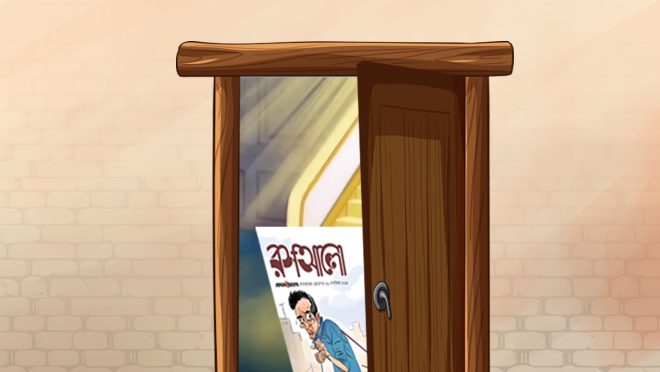
There’s a specific kind of joy that only print can deliver, the kind that starts before you even read a single word. It’s in the weight of the paper, the slight resistance when you peel open the pages, and that smell.
If you grew up in Bangladesh in the late 2000s and early 2010s, you know exactly the smell I’m talking about. Newsprint and ink and something else entirely. Something that felt like Monday had been made worth surviving.
That was Rosh Alo.
Prothom Alo’s weekly humour supplement didn’t just make us laugh. It did something far more dangerous: it made us think we could, too. Every kid who squinted at those satirical cartoons, every teenager who read the “Ros Chitthi” section out loud to their siblings, every person who clipped out a column because it felt too true to throw away, we all quietly decided that this was our language.
That wit and wordplay and absurdist observation of the ridiculous mundanity of Bangladeshi life was something we could do. Rosh Alo blessed an entire generation, and a bunch of crazy satirists at TBS Graduates, with a patriotic sense of humour.
I am one of those kids.
I remember waiting for it the way you only wait for things when you’re young and have no concept of time being scarce. Monday would come, and Maa would bring home Prothom Alo, and before anyone could stop me, I’d already found the supplement and folded myself into it.
The colours were almost offensively cheerful, reds and yellows that had no business being that bright on the newsprint, and yet somehow were. The cartoons were absurd and specifically, surgically Bangladeshi.
The jokes landed because they were about us. Not some translated, borrowed sense of humour. Truly, ours. Built from rickshaw conversations, tuition masters, load shedding, and aunties who had opinions about everything.
It was my introduction to the idea that humour is a form of intelligence. That you could look at something frustrating or broken or just plain ridiculous and, instead of despairing, you could craft something out of it. Rosh Alo was my first writing school, and Rosh never knew it was teaching me anything.
And then, like all good things that we don’t appreciate until they’re gone, it stopped. Life moved on. We found other things to read, other places to laugh. But I don’t think any of us ever fully replaced it. There’s a specific texture to that kind of weekly joy, the ritual of it, the physicality of it, that the internet, for all its infinite content, has never quite replicated.
So, welcome back, Rosh Alo.
Thank you for the laughter, yes. But more than that, thank you for making us believe the world was funny enough to write about, and that we were sharp enough to notice. A lot of us are still writing because of you. We just didn’t say it out loud until now.