What living with two cats taught me
Parenting a cat is often marketed as a low-maintenance experience. This claim is usually made by people who have never attempted to read a book, sleep uninterrupted, or eat a meal without being supervised.
What living with two cats taught me
Parenting a cat is often marketed as a low-maintenance experience. This claim is usually made by people who have never attempted to read a book, sleep uninterrupted, or eat a meal without being supervised.

In reality, parenting a cat is a long-term exercise in surrender, humility, and learning to apologise to an animal that does not speak your language but clearly believes you are wrong. Mine are definitely on the more polar ends of the spectrum.
For those considering the experience, or those already trapped in it, here are six essential truths.
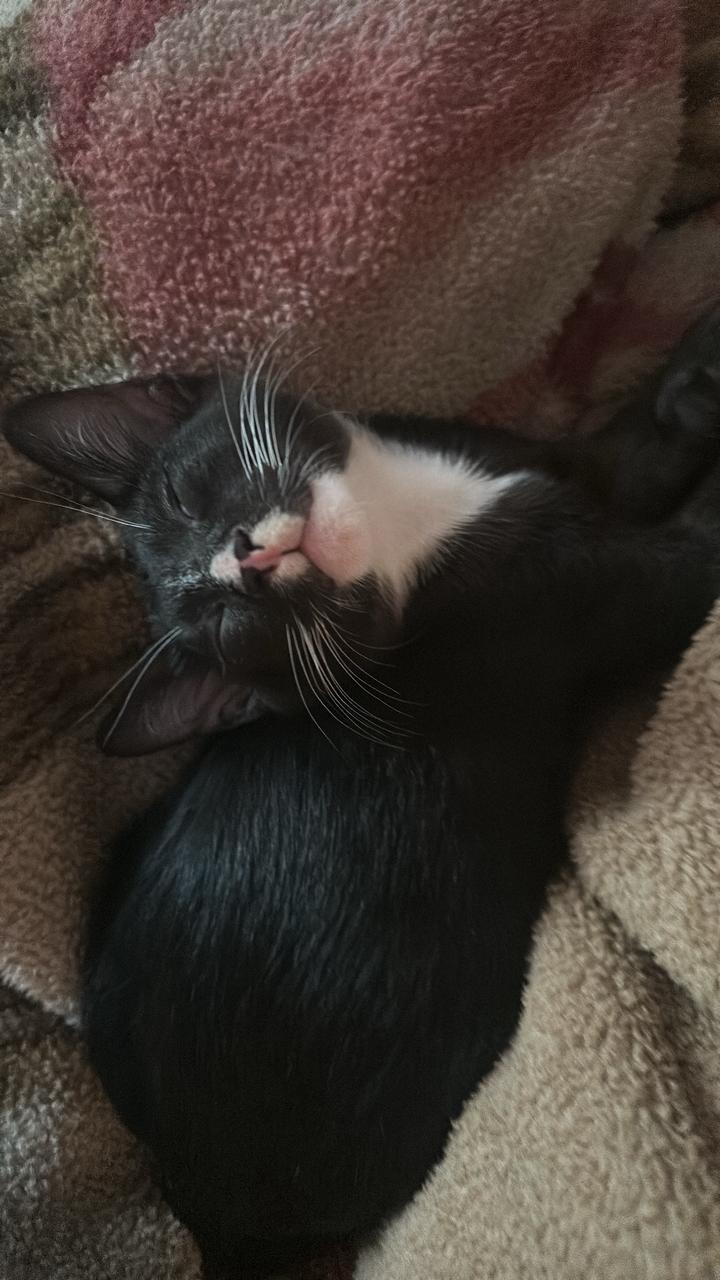
- Your cat has a fully developed personality. You do not get a say.
Unlike children, cats do not evolve gradually into who they are.
Some cats attach themselves to you like emotional glue, following you from room to room as if separation were a deeply offensive concept. Kevin, a six-month-old cat I own, or the other way round, is like that.
A creature on fours, he completely ignores social distancing. He is liked by everyone, even the allergic friends I have, as he is insatiably cute. Always on your lap, purring to get your attention, he will make it his first order of business to annoy the life out of you.
Others treat you as a helpful roommate: useful, tolerated, and largely ignorable, while displaying remarkable warmth towards strangers.
Marco, another six-month-old cat, lives in my apartment. He somehow manages to go completely unnoticed at times.
At certain times, I look for Marco while imagining the most absurd and obnoxious places a cat can lie on. These include the bathroom sink, on top of my AC, inside drawers that I have no clue how he manages to open, or the stash where I put all my man-stuff.
He will love you and everyone else in this whole wide world, but not me. I have no idea why.
Attempts to correct this imbalance will fail. They are inherently the way they are, trust me, I tried. It only resulted in me being physically assaulted instead.
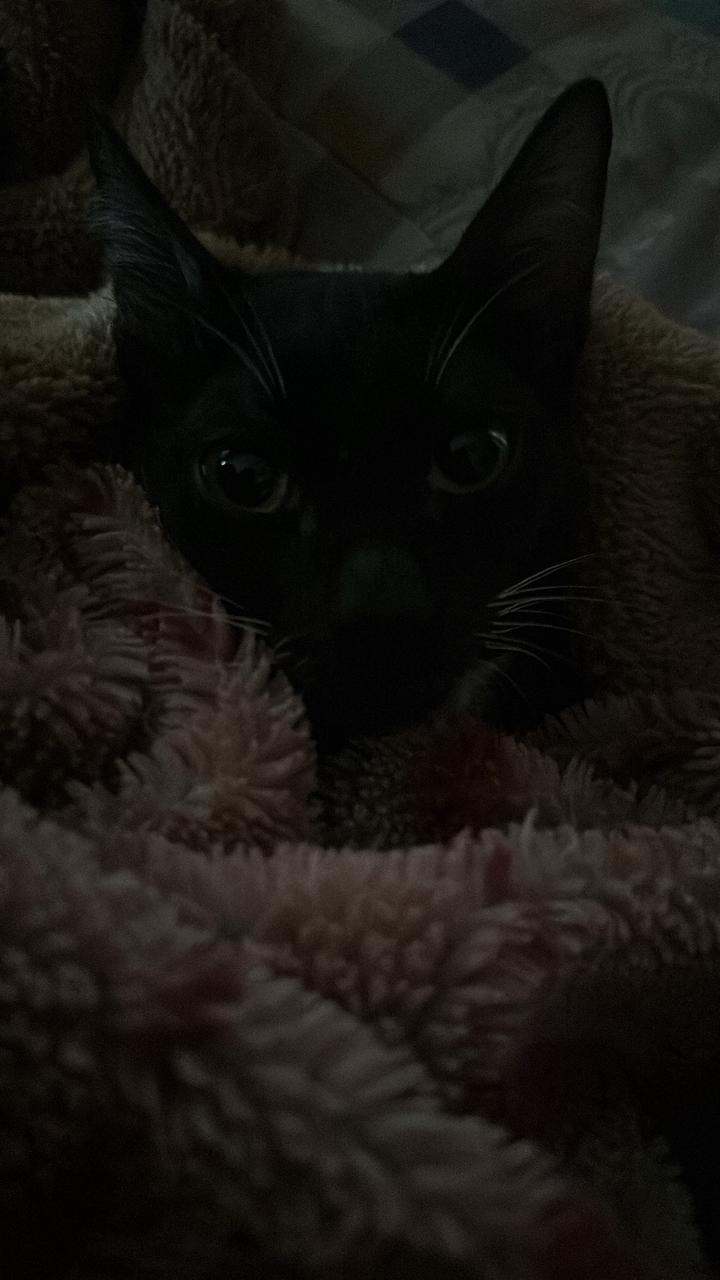
- Affection is given on a trial basis and can be withdrawn anytime
Cats are affectionate, but this affection operates under strict, invisible terms.
A cat may sit on your chest, purr loudly, and give the impression of emotional intimacy before abruptly leaving or biting you gently, as if to remind you not to become comfortable.
Having two completely different cats, I can confirm that they do not want you to be comfortable. Kevin is always the cat that sits on your lap until you annoy him, which I do every day for sport. Ever since he was a kitten, he has been this clingy. At the point of me writing this piece, he is on my chest, licking my hand.
Marco, on the other hand, is a solitary animal, never entrusting his security to anyone other than himself. He will come to you, yes, but will vet you thoroughly before doing so. I highly advise you to understand your cat before being too clingy.
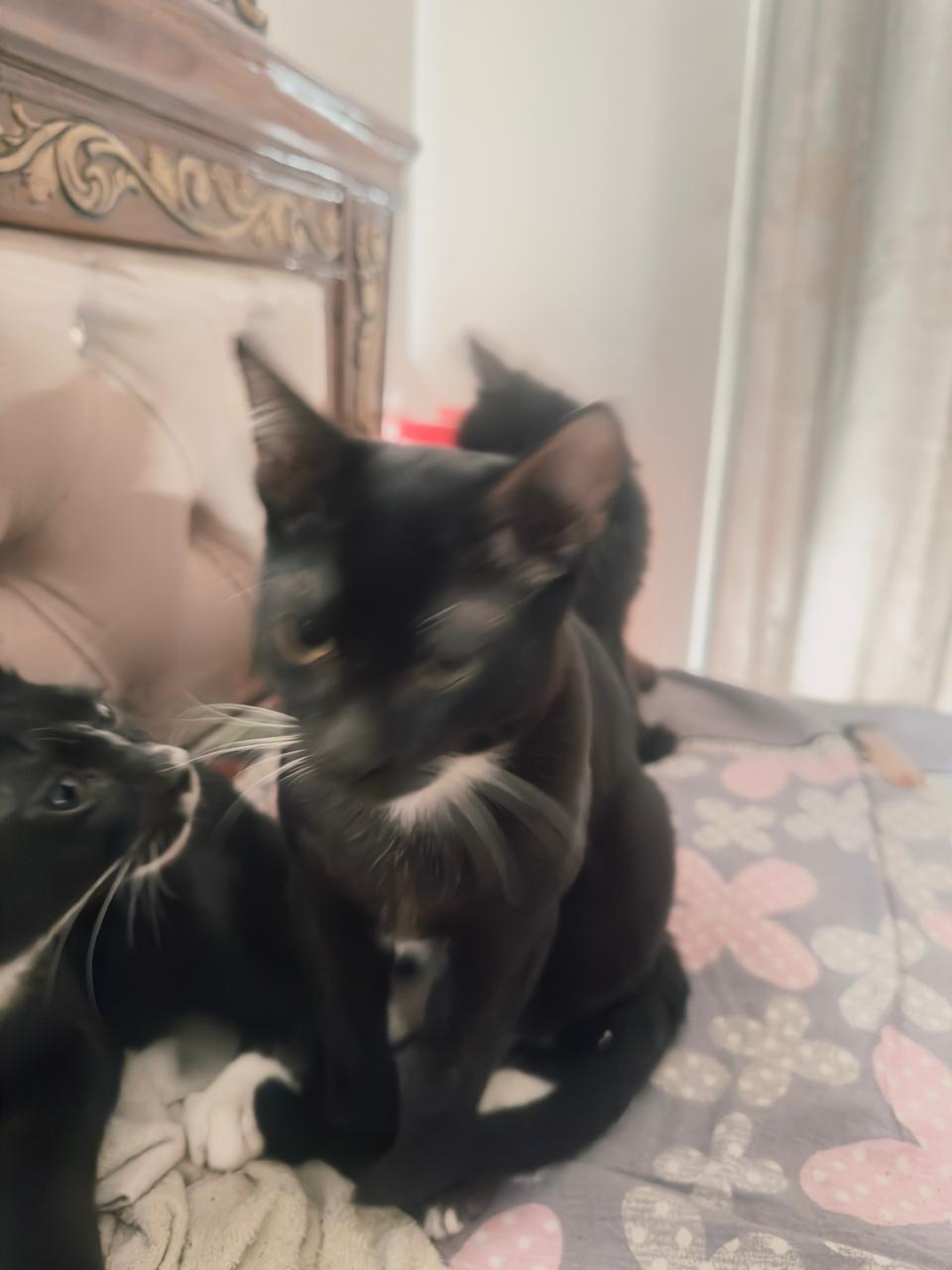
- Mealtime is a competitive psychological event
Cats are fed daily. Sometimes twice. Mine eat up to 200 times.
Despite this, they behave as though food scarcity is imminent. As if there is a cat food drought and they need to eat more to make up for the shortage. An honourable mention goes to the fact that if one of the bowls is uneven, they will make it their mission to “even” things out.
This leads to brief standoffs and unnecessary conflict, proving that feeding cats is less about nutrition and more about managing paranoia. My paranoia too.
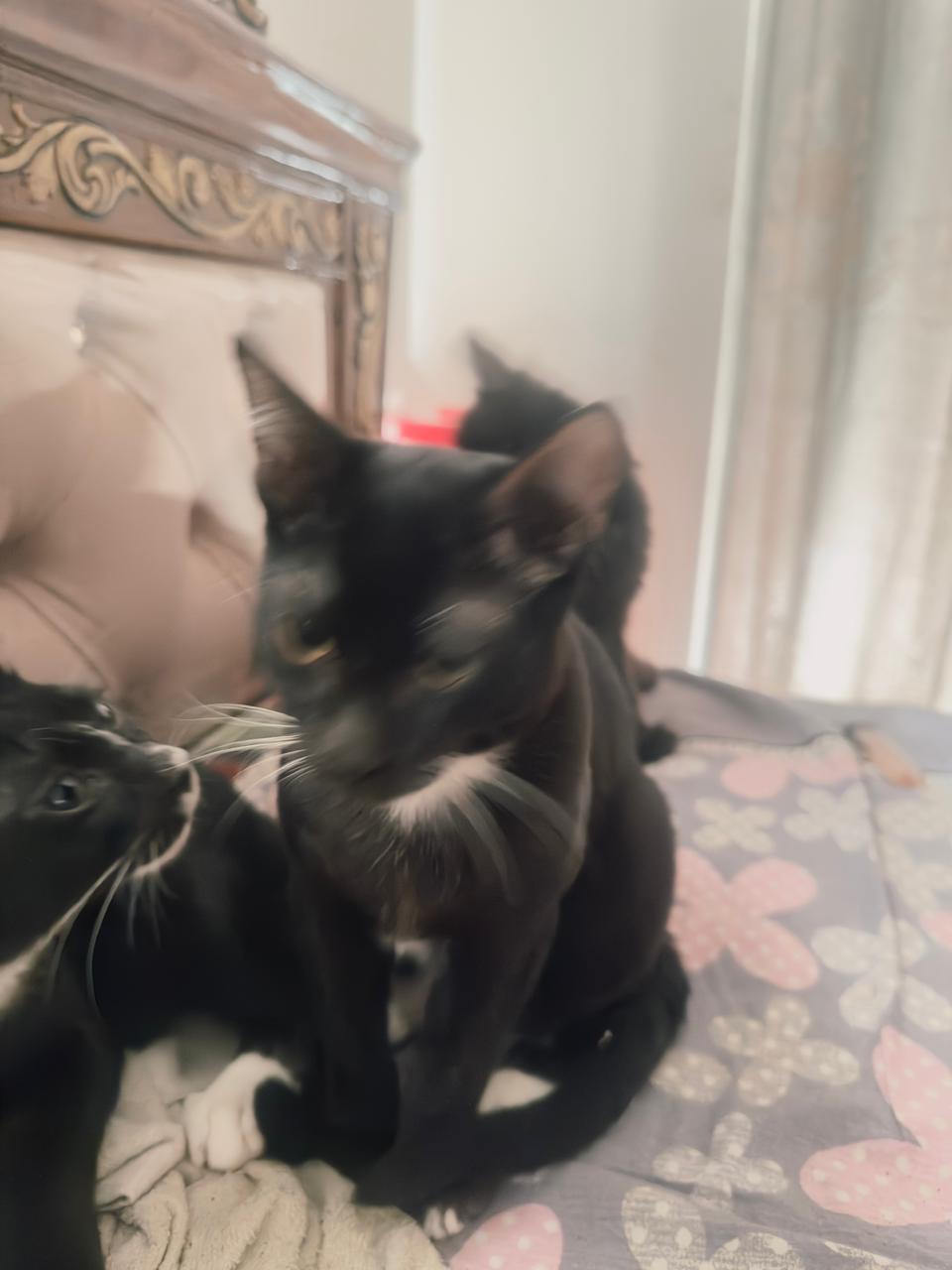
- Certain objects will be hated for no clear reason
Books, papers, notebooks, and important documents often fall into a category known only to cats as “must be destroyed”. I, being a nerd, have way too many of them than I like to recognise. The rest I will leave to your imagination.
These items are scratched, bitten, or sat upon with firm determination. The more valuable or time-sensitive the object, the greater its appeal. Cats show no remorse and no urgency; the destruction is methodical. The holocaust of my books, from my study to the topmost shelf, will unfortunately not be acknowledged by history.
- Your cat will choose the most inconvenient place to sit
Cats display an advanced ability to locate household spaces that serve no obvious purpose and claim them as essential.
Bathroom sinks are a common example. Despite offering no comfort, food, or warmth, they are occupied regularly and confidently. The reason is never revealed.
Any attempt to use the sink will be met with resistance or silent judgement. Not to mention, my limited supply of skincare and haircare bottles will be placed somewhere I am almost never able to reach.
This behaviour reinforces an important truth: cats do not select spaces for functionality. They select them to assert presence, more like dominance.
- You are not in control, but you will adjust anyway
Eventually, every cat parent reaches acceptance. The very last stage of grief.
Sleep schedules change. Workspaces become shared. Books acquire claw marks. Yet none of this feels like loss.
Because in exchange, cats offer companionship that is constant, if unpredictable. One cat may demand closeness relentlessly, while another maintains distance while remaining socially available to everyone else. Together, they redefine what “parenting” means.
Parenting a cat is not necessarily about teaching behaviour. It is about learning flexibility, humility, and how to live under the supervision of an animal that believes it is doing you a favour. It is their divine right, given by Artemis.
And somehow, despite everything, most cat parents would not change a thing. They were one of the best decisions of my life. Kindly make sure Kevin and Marco do not see this though.