What my childhood earthworm obsession taught me about saving nature
Back when we were seven, my friend and I were utterly obsessed with earthworms. The second the tiffin bell rang, we’d grab our tiffin boxes, snatch a couple of sticks off the ground, and run outside to go worm-hunting. Whenever we unearthed one, we’d hold a stick right in front of its path, holding our breath as its glossy, segmented body crept upward to see how high it could climb.
What my childhood earthworm obsession taught me about saving nature
Back when we were seven, my friend and I were utterly obsessed with earthworms. The second the tiffin bell rang, we’d grab our tiffin boxes, snatch a couple of sticks off the ground, and run outside to go worm-hunting. Whenever we unearthed one, we’d hold a stick right in front of its path, holding our breath as its glossy, segmented body crept upward to see how high it could climb.
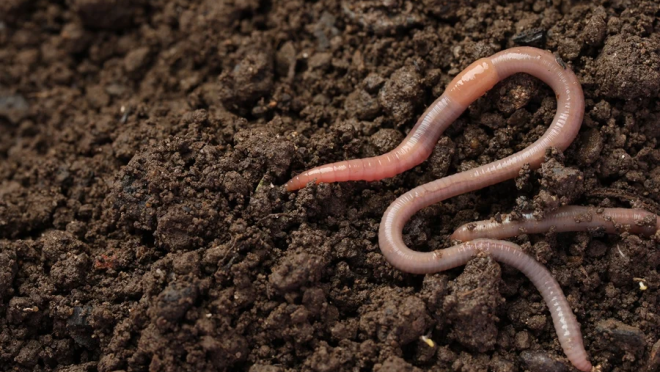
There was a hypnotic, strange fascination in watching it move. I distinctly remember our teacher telling us back then that earthworms “save the world,” and my seven-year-old brain couldn’t wrap itself around how this tiny, wriggling creature could hold up the entire planet.
Yet, as World Nature Conservation Day rolls around, that childhood memory hits harder than ever.
When we talk about nature conservation in Bangladesh, our minds instantly picture the majestic Royal Bengal Tiger in the Sundarbans or sea turtles on St Martin’s Island. But across the soil of our country, the real engine of planetary survival belongs to the muddy mangrove silt, subterranean fungi, and microscopic wetland creatures that filter our water and shield our coastlines.
The moment you step into a forest in Sylhet or a wetland patch, you are standing on top of a massive natural supercomputer. Beneath the topsoil lies a web of microscopic fungal threads that lock onto tree roots.
Far from being simple mushrooms, these underground networks act like a natural fibre-optic cable system, letting trees exchange nutrients such as phosphorus and share carbon. Along our coastal belt, these fungal webs pair up with pneumatophores (the breathing roots of mangrove trees like Sundari and Gewa). Together with microscopic silt-dwelling worms, they bind the loose delta soil together, acting as a natural buffer that absorbs violent storm surges before they hit our villages and cities.
But that’s on land. What about the wetlands? We often think of freshwater wetlands like Tanguar Haor or local beels simply as fish habitats or tourist spots. But these carbon-rich wetland soils are absolute powerhouses when it comes to regulating our climate.
Wetlands are known to store far more carbon per square metre than dry forest soil. When a haor or beel stays wet and healthy, its thick layers of organic mud act as a permanent vault for greenhouse gases while filtering millions of litres of freshwater. But when we fill them in with sand for real estate or drain them carelessly, all that locked-away carbon spews into the atmosphere while destroying our natural flood defence. Protecting these muddy wetlands is essential for a low-lying nation on the front lines of climate change.
Now, my favourite: Bangladesh’s ultimate agricultural crew. The earthworms, the dung beetles, the soil microbes in our rural fields. Remember what my teacher said? They save the world, and now I finally know how.
A single square metre of healthy, bug-filled soil can hold massive amounts of rainwater, acting like a natural sponge that prevents flash erosion during heavy monsoons. Soil organisms break down organic matter into rich silt (pali mati), giving our crops the natural nutrients needed to grow without burning out the land. Without soil grubs, mud crabs, and aquatic insects, iconic Bangladeshi wildlife would lose their primary food source.
Here’s the main question: How do we contribute to conserving the world, then? You don’t really need to travel to the Sundarbans to make a difference. Protecting our local ecosystems starts right in our towns, campuses, and neighbourhoods. Maybe start by saying no to unchecked plastic in waterways. Single-use polythene and plastic wrappers don’t just choke urban drainage; they smother the mudflats where soil bugs and young fish hatch. Protecting local pukurs and wild green corners could be another sensible option.
If your school or family has a garden or yard space, keep a patch of natural grass, leaf litter, or wild shrubs. Avoid over-paving every inch of green space with concrete. Lastly, maybe try saving some earthworms. Next time someone wants to crush an earthworm, dragonfly nymph, or muddy beetle, remind them that those tiny creatures are actively keeping Bangladesh’s soil fertile and its water clean.